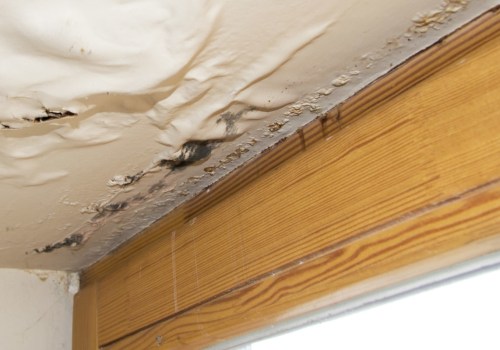
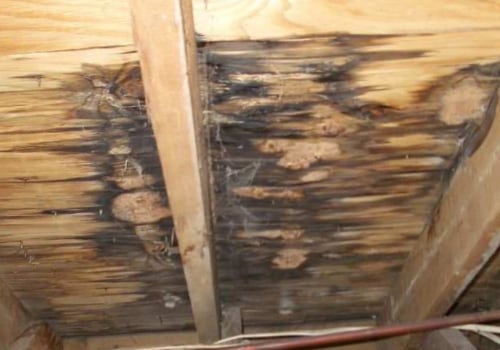
Roof leak detection is a critical aspect of home maintenance that often goes overlooked until significant damage has occurred. Water intrusion can lead to a myriad of problems, including structural damage, mould growth, and increased energy costs. Understanding how water leak detectors function is essential for homeowners who wish to safeguard their properties from the devastating effects of leaks, ultimately contributing to their financial security. These devices are designed to identify moisture presence and alert homeowners before the situation escalates into a costly repair job.In recent years, the technology behind water leak detectors has advanced significantly, making them more effective and user-friendly. function is essential for homeowners who wish to safeguard their properties from the devastating effects of leaks, ultimately contributing to their financial security. These devices are designed to identify moisture presence and alert homeowners before the situation escalates into a costly repair job.In recent years, the technology behind water leak detectors has advanced significantly, making them more effective and user-friendly.
Many modern systems not only detect leaks but also provide real-time alerts directly to your smartphone, allowing you to take immediate action even when you are not at home. This capability is particularly important for roof leaks, which can often go unnoticed until they cause extensive damage. By understanding the mechanics of these devices, homeowners can make informed decisions about which systems best suit their needs.As we delve deeper into the topic of roof leak detection, it is crucial to explore the various types of water leak detectors available on the market today. From simple alarms that sound when moisture is detected to sophisticated systems that integrate with smart home technology, there are numerous options to consider.
Each type has its own set of features and benefits, making it essential for homeowners to evaluate their specific requirements and choose a solution that offers both reliability and peace of mind.Ultimately, the question remains: do water leak detectors work? The answer lies in understanding their functionality and limitations. By examining how these devices operate and their effectiveness in real-world scenarios, we can better appreciate their role in protecting our homes from the perils of water damage.
What Are Water Leak Detectors?
Water leak detectors are essential devices designed to identify the presence of water where it shouldn't be, helping to prevent significant damage to properties. These detectors are particularly valuable in areas prone to leaks, such as basements, kitchens, and bathrooms. By providing early warnings, they allow homeowners to take immediate action before a minor issue escalates into a costly repair.There are several types of water leak detectors , each employing different technologies and methods to detect leaks:- Point Sensors: These are the most common type of water leak detectors.
They consist of a small device that can be placed on the floor or near potential leak sources. When water comes into contact with the sensor, it triggers an alarm or sends a notification to the homeowner's smartphone.
- Cable Sensors: These sensors feature a long cable that can be laid out in areas where leaks are likely to occur. They are particularly useful for monitoring large spaces or multiple locations simultaneously. If any part of the cable detects moisture, an alert is generated.
- Smart Water Leak Detectors: These advanced devices connect to your home Wi-Fi network and can send real-time alerts directly to your smartphone.
Many smart detectors also integrate with home automation systems, allowing for remote monitoring and control.
- Flow Sensors: Installed directly on the water supply line, these sensors monitor water flow and pressure. If they detect an unusual drop in pressure or an unexpected increase in flow, they can alert homeowners to a potential leak.
How Do Water Leak Detectors Work?
Water leak detectors are essential devices designed to identify and alert homeowners to the presence of unwanted water, potentially preventing significant damage.Understanding how these devices operate can help you make informed decisions about their reliability and effectiveness.At the core of most water leak detectors are sensors that detect moisture. These sensors typically use one of two primary technologies: conductive sensors or capacitive sensors. Conductive sensors work by measuring the electrical conductivity between two probes. When water bridges the gap between these probes, it completes a circuit, triggering an alarm.
Capacitive sensors, on the other hand, detect changes in capacitance caused by the presence of water, allowing them to sense moisture without direct contact.Once a leak is detected, the device activates an alarm. This alarm can be an audible sound, alerting anyone nearby to the issue. Many modern detectors also feature connectivity options that allow them to send notifications directly to your smartphone via Wi-Fi or Bluetooth. This means that even if you are not at home, you can receive real-time alerts about potential leaks.Some advanced models integrate with smart home systems, enabling them to communicate with other devices.
For instance, a water leak detector might trigger a smart valve to shut off the water supply automatically when a leak is detected. This integration not only enhances safety but also minimises potential damage by acting swiftly.In addition to basic leak detection, many devices come equipped with features such as temperature monitoring and flow rate analysis. These functionalities can provide insights into your plumbing system's health and help identify slow leaks that might otherwise go unnoticed.Overall, understanding the technology behind water leak detectors—ranging from sensor types to connectivity features—can significantly influence your choice of device and its effectiveness in protecting your home from water damage.
The Benefits of Using Water Leak Detectors
Water leak detectors are becoming an essential component of modern home safety and maintenance. Their installation offers numerous advantages that can significantly enhance the protection of your property, particularly when it comes to roof leak detection.Early Detection of Leaks
One of the primary benefits of using water leak detectors is their ability to identify leaks at an early stage.
Traditional methods of leak detection often rely on visual inspections or waiting for visible signs of water damage, which can lead to extensive damage before the issue is addressed. In contrast, water leak detectors provide real-time monitoring, alerting homeowners to leaks as soon as they occur. This early warning system can be crucial in preventing minor leaks from escalating into major problems.
Cost Savings on Repairs
By detecting leaks early, homeowners can save a significant amount of money on repairs. Water damage can lead to costly structural issues, mould growth, and damage to personal belongings.
The financial implications of ignoring a small leak can be substantial, often resulting in thousands of pounds in repair costs. With a water leak detector in place, homeowners can address issues promptly, potentially saving them from expensive repairs and insurance claims.
Peace of Mind
Another significant advantage is the peace of mind that comes with knowing your home is protected. Water leak detectors provide reassurance that your property is being monitored continuously, even when you are not at home. Many modern systems offer smartphone notifications, allowing you to stay informed about the status of your home’s plumbing from anywhere.
This level of connectivity ensures that you can take immediate action if a leak is detected, further reducing the risk of damage.
Integration with Smart Home Systems
Many water leak detection systems can be integrated with existing smart home technology. This integration allows for automated responses to detected leaks, such as shutting off the water supply or activating alarms. Such features not only enhance safety but also streamline home management, making it easier for homeowners to maintain their properties efficiently.
Environmental Benefits
Using water leak detectors also contributes to environmental conservation efforts. By identifying leaks quickly, these devices help reduce water waste, promoting more sustainable water usage practices within households.
This not only benefits the environment but can also lead to lower water bills.In summary, the advantages of installing water leak detectors extend beyond mere convenience; they encompass financial savings, enhanced safety, and environmental responsibility. For homeowners looking to protect their investments and ensure peace of mind, investing in a reliable roof leak detection system is a wise decision.
Limitations of Water Leak Detectors
While water leak detectors can be invaluable tools for safeguarding your home from water damage, they are not without their limitations. Understanding these drawbacks is crucial for homeowners considering the installation of such systems, particularly for roof leak detection.False Alarms
One of the most significant issues with water leak detectors is the potential for false alarms. These devices can be triggered by various factors that do not indicate a genuine leak, such as:
- High humidity levels
- Condensation from air conditioning units
- Minor spills during cleaning
Dependency on Power Sources
Many water leak detectors require a constant power supply to function effectively.
This dependency means that:
- If there is a power outage, the device may not operate, leaving your home vulnerable.
- Battery-operated models may require regular maintenance to ensure they are functioning correctly, as dead batteries can render the system useless.
Limited Detection Range
Most water leak detectors have a limited detection range, which means they may not cover large areas or multiple points of potential leaks. For effective roof leak detection, it may be necessary to install multiple sensors throughout the property. This can increase costs and complicate installation.
Installation Challenges
The installation of some advanced systems may require professional assistance, especially if they need to be integrated into existing plumbing or electrical systems. This can add to the overall expense and complexity of setting up a reliable leak detection system.
Lack of Specificity
Water leak detectors typically alert users to the presence of moisture but do not provide information about the source or severity of the leak.
This lack of specificity can make it challenging for homeowners to respond appropriately without further investigation.In conclusion, while water leak detectors offer significant benefits in protecting homes from water damage, it is essential to be aware of their limitations. By understanding these drawbacks, homeowners can make informed decisions about their use and ensure they are adequately prepared for any potential leaks.
Comparing Different Types of Water Leak Detectors
When it comes to water leak detection, various types of detectors are available, each with unique features, advantages, and disadvantages. Understanding these differences can help you make an informed decision tailored to your specific needs.1.Basic Water Leak Detectors
These are the simplest form of leak detectors, typically consisting of a sensor that detects moisture. They are often battery-operated and emit an alarm when water is detected.- Pros: Affordable, easy to install, and require no complex setup.
- Cons: Limited functionality; they only alert you when you are nearby and do not provide remote notifications.
2.Smart Water Leak Detectors
Smart detectors connect to your home Wi-Fi network and send alerts directly to your smartphone when a leak is detected.Many models also integrate with smart home systems.
- Pros: Real-time notifications, remote monitoring, and often include additional features like temperature monitoring.
- Cons: Higher initial cost and may require a stable Wi-Fi connection for optimal performance.
3.Water Leak Detection Systems with Shut-off Valves
These advanced systems not only detect leaks but can also automatically shut off the water supply to prevent extensive damage.- Pros: Provides peace of mind by preventing water damage; ideal for homes in flood-prone areas.
- Cons: More expensive and may require professional installation.
4.Cable Water Leak Detectors
Cable detectors consist of a long sensor cable that can be placed in areas prone to leaks. They are particularly useful for large spaces or complex plumbing systems.- Pros: Extensive coverage; can detect leaks along the entire length of the cable.
- Cons: Installation can be cumbersome, and they may require more maintenance than other types.
Real-Life Applications and Case Studies
Water leak detectors have proven to be invaluable in various real-life scenarios, particularly when it comes to roof leak detection. These devices not only alert homeowners to potential leaks but also help mitigate damage before it escalates into a costly repair.Below are some compelling case studies that illustrate their effectiveness.
Case Study 1: Residential Roof Leak Prevention
In a suburban home in Manchester, a family installed a water leak detector after experiencing multiple issues with their roof during heavy rainfall. The device was strategically placed in the attic, where previous leaks had occurred. One evening, while the family was away, the detector sensed moisture levels rising and sent an immediate alert to their smartphones. Upon receiving the notification, they contacted a neighbour to check on the situation.The neighbour discovered a small leak from a damaged roof tile, which could have led to significant water damage if left unchecked. Thanks to the early warning from the leak detector, the family was able to arrange for repairs before any serious damage occurred.
Case Study 2: Commercial Building Leak Management
A large office building in London faced ongoing challenges with water leaks due to its age and design. The management decided to implement a comprehensive water leak detection system throughout the premises, including on the roof. Within weeks of installation, the system detected a slow but steady leak from an old drainage pipe on the roof.The alert allowed maintenance staff to address the issue promptly, preventing potential flooding in the office below. This proactive approach not only saved thousands in repair costs but also ensured employee safety and comfort.
Case Study 3: Preventing Damage in a Historic Property
A historic property in Bath was at risk of severe damage due to its age and intricate roofing structure. The owners opted for advanced water leak detectors that could monitor multiple areas simultaneously. During a particularly heavy storm, one of the detectors identified unusual moisture levels near an ornate ceiling that had previously been restored.The owners were alerted immediately and were able to take action by reinforcing the roof and addressing drainage issues before any significant damage occurred.These case studies highlight how effective water leak detectors can be in real-world applications, especially for roof leak detection. By providing timely alerts and enabling swift action, these devices play a crucial role in protecting properties from water damage.
Frequently Asked Questions About Water Leak Detectors
Water leak detectors are becoming increasingly popular among homeowners, especially for roof leak detection. However, many people have questions about their effectiveness and functionality. Below are some frequently asked questions that can help clarify how these devices work and their benefits.1.How do water leak detectors work?
Water leak detectors typically use sensors to identify the presence of water.When moisture is detected, the device triggers an alarm or sends a notification to your smartphone. Some advanced models can also monitor water flow and pressure, providing real-time data to help you manage potential leaks more effectively.
2.Can water leak detectors prevent damage from roof leaks?
While water leak detectors cannot physically stop a leak, they can alert you to its presence before it causes significant damage. By detecting moisture early, you can take immediate action to address the issue, potentially saving thousands in repair costs.3.Are there specific detectors for roof leaks?
Yes, there are specialized water leak detectors designed for roof leak detection. These devices can be placed in areas prone to leaks, such as attics or near skylights, ensuring that any moisture is detected promptly.4.How reliable are these devices?
The reliability of water leak detectors varies by model and brand.High-quality detectors are generally very effective at identifying leaks quickly. However, it’s essential to choose a reputable brand and ensure proper installation for optimal performance.
5.Do I need professional installation?
Most water leak detectors are designed for easy installation and can be set up by homeowners without professional help. However, if you opt for a more complex system that integrates with your home’s plumbing or smart home network, professional installation may be advisable.6.What should I do if my detector alerts me?
If your water leak detector alerts you, it’s crucial to act quickly. First, locate the source of the leak and turn off the water supply if necessary.Then, assess the situation and contact a plumber if needed to prevent further damage.
7.Can I connect my water leak detector to other smart home devices?
Many modern water leak detectors can integrate with smart home systems, allowing you to receive alerts on your smartphone or even automate responses like shutting off the water supply in case of a major leak.By understanding these common questions about water leak detectors, homeowners can make informed decisions about protecting their properties from potential water damage.Conclusion: Are Water Leak Detectors Worth It?
In conclusion, the effectiveness of water leak detectors, particularly in the context of roof leak detection, cannot be overstated. These devices serve as a crucial line of defence against potential water damage, which can lead to costly repairs and significant structural issues if left unchecked.Throughout this article, we have explored various aspects of water leak detectors, highlighting their ability to provide timely alerts and facilitate immediate action. By detecting leaks early, homeowners can mitigate damage and avoid the extensive costs associated with major repairs. The integration of smart technology into these devices further enhances their functionality, allowing for remote monitoring and notifications via smartphones.Moreover, the versatility of modern leak detectors means they can be installed in various locations, including basements, kitchens, and attics, making them suitable for comprehensive home protection.Many models are designed to work seamlessly with existing smart home systems, providing an added layer of convenience and control.However, it is essential to choose the right model that fits your specific needs. Factors such as connectivity options (Wi-Fi or Bluetooth), battery life, and additional features like automatic shut-off valves should be considered when making a purchase. Investing in a quality water leak detector not only protects your property but also offers peace of mind.Ultimately, the question of whether water leak detectors are worth it can be answered with a resounding yes. Their ability to detect leaks promptly and efficiently makes them an invaluable tool for any homeowner concerned about maintaining the integrity of their property.
As we have seen, the potential savings on repairs and the protection they offer far outweigh the initial investment.In summary, incorporating a reliable water leak detection system into your home is a proactive step towards safeguarding your property from the devastating effects of water damage.