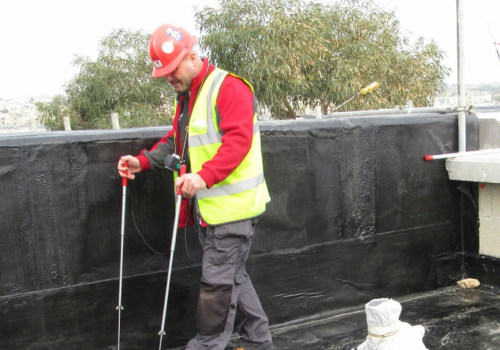
Roof leak detection is a critical aspect of home maintenance that often goes overlooked until significant damage has occurred. For homeowners, understanding the signs of a roof leak and the timeline for when these leaks become visible can save both time and money. A roof is your home’s first line of defence against the elements, and even a small leak can lead to extensive damage if not addressed promptly. The consequences of ignoring a roof leak can range from unsightly water stains on ceilings to severe structural issues, including mould growth and compromised insulation.When it comes to Roof leak detection is a critical aspect of home maintenance that often goes overlooked until significant damage has occurred. For homeowners, understanding the signs of a roof leak and the timeline for when these leaks become visible can save both time and money. A roof is your home’s first line of defence against the elements, and even a small leak can lead to extensive damage if not addressed promptly. The consequences of ignoring a roof leak can range from unsightly water stains on ceilings to severe structural issues, including mould growth and compromised insulation.When it comes to roof leak detection , timing is everything.
Many homeowners may wonder, "How long does it take for a roof leak to show?" The answer is not straightforward, as it depends on various factors such as the type of roofing material, the extent of the leak, and environmental conditions. In some cases, signs of a leak may appear within weeks, while in others, it could take months for noticeable damage to manifest. This variability underscores the importance of regular inspections and being vigilant about potential warning signs.Common indicators of a roof leak include discoloured patches on ceilings or walls, peeling paint, and damp spots in the attic. Homeowners should also be aware of more subtle signs, such as increased energy bills or musty odours that may indicate hidden moisture problems.
By familiarising themselves with these symptoms and understanding the timeline for when leaks typically become apparent, homeowners can take proactive measures to protect their property from costly repairs.
Understanding Roof Leaks
Roof leaks can be a homeowner's worst nightmare, often leading to extensive damage if not addressed promptly. Understanding the various causes of roof leaks is crucial for effective roof leak detection and prevention.What Causes Roof Leaks?
Several factors can contribute to the development of roof leaks, including:- Weather Conditions: Heavy rain, snow, and ice can put immense pressure on roofing materials. Prolonged exposure to these elements can lead to deterioration and eventual leaks.
- Poor Installation: If a roof is not installed correctly, it may have weak points that are prone to leaking. This includes improper sealing around vents, chimneys, and skylights.
- Age of the Roof: Over time, roofing materials can degrade due to UV exposure and weathering.
An older roof is more susceptible to leaks.
- Structural Issues: Problems such as sagging rafters or inadequate drainage systems can cause water to pool on the roof, increasing the risk of leaks.
Types of Roof Leaks
Roof leaks can manifest in various forms, each requiring different approaches for detection and repair:- Surface Leaks: These are often visible and occur when water penetrates through the roofing material itself. Common causes include cracked shingles or damaged flashing.
- Seam Leaks: Found in flat roofs or roofs with multiple layers, seam leaks occur where two sections of roofing material meet. Poor sealing or wear over time can lead to these types of leaks.
- Ponding Water: When water accumulates on the roof due to inadequate drainage, it can seep through the roofing material, causing leaks over time.
Common Signs of Roof Leaks
Being vigilant about the signs of a roof leak can save homeowners from costly repairs. Look out for:- Water Stains: Discoloration on ceilings or walls is often one of the first indicators of a leak.
- Mold Growth: The presence of mould or mildew in your home can signal a hidden leak that needs immediate attention.
- Damp Insulation: If you notice wet insulation in your attic or crawl space, it may indicate that water is seeping through your roof.
How Long Does It Take for a Roof Leak to Show?
Understanding the timeframe for a roof leak to become visible is crucial for homeowners.The visibility of a leak can vary significantly based on several factors, including the size of the leak, the materials involved, and environmental conditions.
Timeframe for Leak Visibility
Generally, larger leaks tend to show signs of damage more quickly than smaller ones. For instance, if you have a substantial leak, you might start noticing water stains or damp patches on your ceiling or walls within three weeks. In contrast, smaller leaks may take up to five weeks or even longer before they manifest as visible damage. This delay can be attributed to the slower rate at which water seeps through materials and accumulates enough to create noticeable signs.
Factors Affecting Leak Visibility
- Size of the Leak: As mentioned, larger leaks are more likely to cause immediate damage.
A small drip may not be sufficient to saturate materials quickly, delaying visibility.
- Type of Roofing Material: Different roofing materials react differently to water exposure. For example, asphalt shingles may show signs of wear faster than metal roofing.
- Underlying Structure: The condition and type of materials beneath the roof can also influence how quickly a leak becomes apparent. For instance, if your roof is covering a wooden structure, moisture can lead to quicker deterioration and visible signs.
- Weather Conditions: Heavy rainfall or storms can exacerbate leaks, making them visible sooner. Conversely, dry conditions may prolong the time it takes for a leak to show.
- Seasonal Changes: Seasonal variations can also play a role.
For example, during winter months, ice dams can form and lead to leaks that may not be immediately visible until warmer weather causes melting.
Small vs Large Leaks
The distinction between small and large leaks is essential when considering repair timelines. Small leaks might only cause minor stains initially but can lead to significant issues over time if left unaddressed. On the other hand, large leaks can result in immediate structural damage and require urgent attention.In conclusion, while there is no definitive timeline for when a roof leak will become visible due to the various influencing factors, being proactive in monitoring your roof's condition can help mitigate potential damage. Regular inspections and maintenance are key in identifying issues before they escalate into more significant problems.
Signs That Indicate a Roof Leak
Detecting a roof leak early is crucial to preventing extensive damage to your home.Homeowners should be vigilant and aware of the various signs that may indicate a leak. Here are some key indicators to watch for:
- Water Stains: One of the most common signs of a roof leak is the appearance of water stains on ceilings or walls. These stains often manifest as discoloured patches, typically yellow or brown, and can vary in size. If you notice these stains, it’s essential to investigate further, as they can indicate that water is seeping through your roof.
- Mold Growth: Mold thrives in damp environments, making it a significant indicator of a roof leak.
If you observe any unusual growth on walls, ceilings, or even in your attic, it could be a sign that moisture is present due to a leak. Not only does mold pose health risks, but it can also lead to structural damage if left untreated.
- Ceiling Damage: Beyond water stains, more severe ceiling damage may occur as a result of prolonged exposure to moisture. This can include sagging ceilings or peeling paint and wallpaper. If you notice any of these issues, it’s crucial to address the potential leak immediately.
- Dripping Water: In some cases, leaks may be evident through visible dripping water during rainstorms.
If you find water pooling in certain areas of your home or dripping from the ceiling, this is a clear sign that your roof requires urgent attention.
- Musty Odours: A persistent musty smell in your home can indicate hidden moisture problems, including roof leaks. If you detect such odours, it’s advisable to conduct a thorough inspection of your roof and attic space.
The Importance of Early Detection
Detecting a roof leak early is crucial for maintaining the integrity of your home. The longer a leak goes unnoticed, the more extensive the damage can become, leading to significant consequences that can affect both your property and your finances.Why Early Detection Matters
Early detection of roof leaks allows homeowners to address issues before they escalate.
A small leak may seem insignificant at first, but it can quickly develop into a larger problem, compromising the structure of your home. Regular inspections and monitoring for signs of water damage can help catch leaks in their infancy, preventing them from causing severe structural issues.
Consequences of Delayed Repairs
- Structural Damage: Water intrusion can weaken beams, rafters, and other structural components, leading to costly repairs or even the need for complete roof replacement.
- Mold Growth: Moisture creates an ideal environment for mold and mildew to thrive. This not only poses health risks but also requires extensive remediation efforts.
- Increased Energy Costs: A compromised roof can lead to poor insulation, resulting in higher heating and cooling costs as your HVAC system works harder to maintain comfortable temperatures.
- Damage to Interior Finishes: Water stains on ceilings and walls can ruin paint, wallpaper, and other finishes, necessitating additional repairs and renovations.
Cost Implications
The financial impact of delaying roof repairs can be staggering. While fixing a small leak may only require a few hundred pounds, allowing it to worsen could lead to thousands in repairs.
For instance, if a leak leads to mold growth, the cost of remediation can easily exceed the initial repair costs by several times. Additionally, if structural damage occurs, you may face expenses related to replacing beams or even sections of your roof.In conclusion, prioritising roof leak detection is essential for safeguarding your home. By addressing leaks promptly, you not only protect your property but also save yourself from potential financial burdens down the line. Regular inspections and being vigilant about signs of water damage are key strategies for maintaining a healthy roof and home environment.
Methods for Detecting Roof Leaks
Detecting roof leaks promptly is crucial to preventing extensive damage to your home.There are various methods available for identifying these leaks, ranging from professional inspections to DIY techniques that homeowners can employ.
Professional Inspections
One of the most reliable ways to detect roof leaks is through a professional inspection. Roofing contractors possess the expertise and tools necessary to identify issues that may not be visible to the untrained eye. During an inspection, professionals will:- Examine the Roof Surface: They will look for signs of wear and tear, such as cracked or missing shingles, which can indicate potential leak sources.
- Check Flashing and Seals: Flashing around chimneys, vents, and skylights is often a weak point in roofing systems. Professionals will assess these areas for any gaps or deterioration.
- Inspect the Attic: A thorough inspection of the attic can reveal water stains, mould growth, or damp insulation, all of which are indicators of a leak.
DIY Detection Techniques
If you suspect a roof leak but want to investigate further before calling a professional, there are several DIY methods you can try:- Visual Inspection: Start by examining your roof from the ground using binoculars.
Look for any obvious signs of damage such as missing shingles or sagging areas.
- Water Test: If safe to do so, you can perform a water test by using a hose. Have someone inside the house while you spray water on different sections of the roof. If they notice leaks during this test, you’ll have pinpointed the problem area.
- Check for Stains: Inside your home, look for water stains on ceilings and walls. These stains can help you trace back to where the leak might be originating.
- Mould and Mildew Inspection: Pay attention to any musty smells or visible mould growth in your attic or near rooflines; these can be signs of prolonged moisture exposure due to a leak.
Whether opting for professional help or taking a hands-on approach, being proactive about roof leak detection is essential in safeguarding your home from costly repairs down the line.
When to Call a Professional Roofer
Determining when to call a professional roofer can be a daunting task for many homeowners. However, recognising the signs that indicate the need for expert intervention is crucial in preventing further damage and ensuring the longevity of your roof.Signs You Need Professional Help
- Visible Water Damage: If you notice water stains on your ceilings or walls, it’s a clear indication that there is a leak somewhere in your roofing system. This is often one of the first signs that should prompt you to seek professional help.
- Missing or Damaged Shingles: A few missing shingles may not seem like a big deal, but they can lead to significant issues if not addressed promptly. If you find multiple damaged or missing shingles, it’s time to call in a roofing contractor.
- Mould or Mildew Growth: The presence of mould or mildew in your home can indicate prolonged moisture exposure due to a roof leak.
This not only affects your roof but can also pose health risks to your family.
- Granules in Gutters: If you notice an unusual amount of granules from asphalt shingles in your gutters, this could signify that your shingles are deteriorating and may need replacement.
- Age of the Roof: If your roof is nearing the end of its expected lifespan (typically 20-25 years for asphalt shingles), it’s wise to have it inspected regularly by a professional.
When to Hire a Roofer
If you observe any of the above signs, it’s essential to act quickly. Delaying repairs can lead to more extensive damage and higher costs down the line. Additionally, if you find yourself climbing onto your roof frequently to inspect for issues, it may be time to hire a professional who has the experience and tools necessary for safe and effective inspections.
Selecting a Reliable Contractor
When choosing a roofing contractor, consider the following tips:
- Check Credentials: Ensure that the contractor is licensed and insured. This protects you from liability in case of accidents during repairs.
- Read Reviews: Look for customer reviews and testimonials online.
A reputable contractor will have positive feedback from previous clients.
- Get Multiple Quotes: Don’t settle for the first estimate you receive. Obtain quotes from several contractors to compare prices and services offered.
- Ask About Warranties: Inquire about warranties on both materials and workmanship. A good contractor will stand by their work and offer guarantees.
Preventative Measures to Avoid Roof Leaks
Preventing roof leaks is essential for maintaining the integrity of your home and ensuring a safe living environment. By implementing a few proactive measures, homeowners can significantly reduce the risk of leaks and extend the lifespan of their roofing materials.Regular Inspections
- Conduct routine inspections of your roof at least twice a year, ideally in spring and autumn.
Look for signs of wear, such as cracked or missing shingles, rusted flashing, or any debris accumulation that could trap moisture.
- Pay special attention to areas around chimneys, vents, and skylights, as these are common leak points.
Proper Maintenance
- Keep gutters and downspouts clear of leaves and debris to ensure proper drainage. Clogged gutters can lead to water pooling on the roof, increasing the risk of leaks.
- Trim overhanging branches that could scrape against the roof or drop debris onto it. This not only prevents physical damage but also reduces the likelihood of moss and algae growth.
- If you notice any signs of water damage inside your home, such as stains on ceilings or walls, address them immediately. This could indicate a hidden leak that needs urgent attention.
Choosing Durable Roofing Materials
The longevity of your roof largely depends on the materials used.
Here are some options that offer enhanced durability:
- Metal Roofing: Known for its longevity and resistance to extreme weather conditions, metal roofs can last 40-70 years with proper maintenance.
- Slate Roofing: Although more expensive, slate roofs are incredibly durable and can last over a century if installed correctly.
- Asphalt Shingles: While they have a shorter lifespan (15-30 years), choosing high-quality architectural shingles can provide better protection against leaks compared to standard three-tab shingles.
Professional Assistance
Engaging a professional roofing contractor for regular maintenance checks can be invaluable. They possess the expertise to identify potential issues before they escalate into significant problems. Additionally, they can provide guidance on the best materials suited for your specific climate and home structure.By taking these preventative measures seriously, homeowners can safeguard their properties against roof leaks and ensure their roofs remain in optimal condition for years to come.
Conclusion: Key Takeaways on Roof Leak Detection
In summary, understanding the nuances of roof leak detection is crucial for every homeowner. The time it takes for a roof leak to manifest can vary significantly based on several factors, including the type of roofing material, the extent of the leak, and environmental conditions.Here are some key takeaways to consider:
- Immediate Action is Essential: As soon as you suspect a leak, it is vital to act quickly. Delaying repairs can lead to more extensive damage, including structural issues and mould growth.
- Signs of a Leak: Look for water stains on ceilings or walls, peeling paint, or damp patches. These indicators can help you identify potential leaks before they escalate.
- Regular Inspections: Conducting routine checks on your roof can help catch leaks early. Pay attention to areas around chimneys, skylights, and vents where leaks are more likely to occur.
- Professional Assessment: If you notice any signs of a leak, it’s advisable to consult a professional roofer.
They can provide a thorough inspection and recommend necessary repairs.
- Weather Considerations: Be mindful of seasonal changes that may affect your roof. Heavy rain or snow can exacerbate existing issues, making it essential to monitor your roof closely during these times.