Roof leaks are a common yet often overlooked issue that can lead to significant damage if not addressed promptly. They can occur for various reasons, ranging from natural wear and tear to severe weather conditions. Understanding the causes of roof leaks is crucial for homeowners, as it enables them to take proactive measures to protect their property. Common culprits include damaged shingles, improper installation, clogged gutters, and flashing failures.
Each of these factors can compromise the integrity of your roof, allowing water to seep through and cause havoc within your home.The importance of early leak detection cannot be overstated. A small leak may seem insignificant at first, but it can quickly escalate into a much larger problem, leading to structural damage, mould growth, and increased repair costs. By identifying leaks early on, homeowners can save themselves from the stress and financial burden associated with extensive repairs. Regular inspections and maintenance are essential in spotting potential issues before they develop into serious concerns.Moreover, understanding the signs of a roof leak is vital for effective management.
Homeowners should be vigilant for indicators such as water stains on ceilings or walls, peeling paint, or damp spots in the attic. These signs often signal that water is infiltrating your home, necessitating immediate action. By being proactive and informed about roof leaks and their implications, you can safeguard your home against the damaging effects of water intrusion.
Signs of a Roof Leak
Identifying a roof leak early can save homeowners from extensive damage and costly repairs. Here are some common signs of roof leaks that you should be vigilant about:- Water Stains on Ceilings or Walls: One of the most noticeable signs of a roof leak is the appearance of water stains.
These often manifest as discoloured patches on ceilings or walls, typically in a brown or yellow hue. If you notice these stains, it’s crucial to investigate further, as they indicate that water is seeping through your roof.
- Mould and Mildew Growth: The presence of mould or mildew in your home can be a clear indicator of moisture issues, often stemming from a roof leak. These fungi thrive in damp environments, so if you detect a musty smell or see visible growth, it’s essential to check your roof.
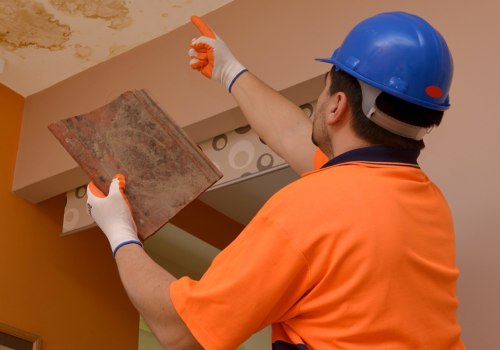
- Damaged Shingles: Regularly inspect your roof for any missing, cracked, or curled shingles. Damaged shingles can allow water to penetrate beneath them, leading to leaks.
If you find any compromised shingles, consider replacing them promptly to prevent further issues.
- Puddles in the Attic: If you have access to your attic, look for any signs of standing water or dampness. Puddles in this area are a strong indication that your roof is leaking and should be addressed immediately.
- Increased Energy Bills: A sudden spike in your energy bills may not directly indicate a roof leak, but it can suggest that your insulation is compromised due to moisture. This can lead to inefficient heating and cooling, resulting in higher energy costs.
- Dripping Sounds: If you hear dripping sounds during rainstorms or when snow melts, it could mean that water is entering your home through the roof. Pay attention to these sounds, especially if they occur in areas where you’ve noticed other signs of leaks.
Early detection and intervention can prevent minor issues from escalating into major repairs.
Methods for Roof Leak Detection
Detecting roof leaks is crucial for maintaining the integrity of your home. Various methods and tools are available to help identify these leaks, ranging from traditional techniques to modern technology.Visual Inspection
The first step in roof leak detection often involves a thorough visual inspection. Homeowners should look for:- Water stains on ceilings and walls, which can indicate moisture seeping through the roof.
- Mould or mildew growth, particularly in corners or areas with poor ventilation.
- Damaged shingles , such as curling, cracking, or missing pieces, which can compromise the roof's waterproofing.
- Debris accumulation in gutters and downspouts that may prevent proper drainage.
Water Test
A simple yet effective method for detecting roof leaks is the water test. This involves:- Using a garden hose, spray water on different sections of the roof.
- Start at the lowest point and work your way up to avoid overwhelming the drainage system.
- Have someone inside the house monitor for any signs of water intrusion while you spray.
Infrared Thermography
For a more advanced approach, infrared thermography can be employed.This technique uses thermal imaging cameras to detect temperature variations on the roof surface. Areas with moisture will typically have different thermal signatures compared to dry areas. This method is particularly useful for:
- Identifying hidden leaks that are not visible during a standard inspection.
- Assessing large commercial roofs where manual inspection may be impractical.
Acoustic Leak Detection
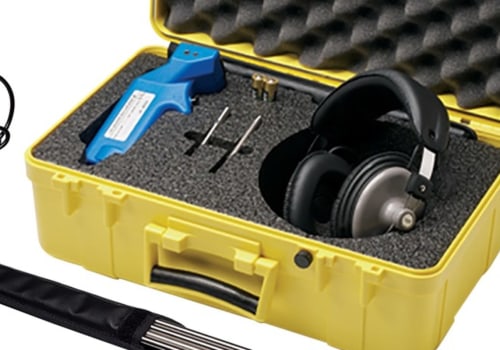
Another modern technique is acoustic leak detection, which involves using sensitive microphones to listen for sounds of water escaping from pipes or roofing materials. This method is effective because:- It can detect leaks that are not visible or accessible.
- The sound produced by leaking water can travel through various materials, making it easier to locate the source.
Moisture Meters
Moisture meters are handheld devices that measure the moisture content in building materials.They can be used to:
- Identify areas of high moisture concentration on ceilings and walls.
- Help determine if a leak has occurred recently or if it has been an ongoing issue.
Using Technology for Leak Detection
In the realm of roof leak detection, the integration of advanced technology has revolutionised the way leaks are identified and managed. Traditional methods, while effective, often fall short in terms of precision and efficiency. Today, a variety of electronic leak detection tools are available that significantly enhance the accuracy of identifying leaks, allowing for timely repairs and minimising potential damage.One of the most prominent technologies employed in leak detection is infrared thermography. This method utilises thermal imaging cameras to detect temperature variations on surfaces, which can indicate the presence of moisture.When water infiltrates a roof, it alters the temperature of the surrounding materials. By capturing these thermal differences, professionals can pinpoint areas where leaks may be occurring without invasive measures. This non-destructive approach not only saves time but also reduces the risk of further damage to the structure.Another innovative tool in leak detection is the use of acoustic sensors. These devices listen for sounds produced by water escaping from pipes or roofing systems.
When water escapes under pressure, it generates distinct sounds that can travel through various materials. Acoustic sensors can detect these sounds even from a considerable distance, allowing technicians to locate leaks with remarkable accuracy. This technology is particularly useful in complex roofing systems where visual inspection may not be feasible.Moreover, moisture meters are essential tools that complement these technologies. They measure the moisture content in building materials, helping to confirm suspicions raised by thermal imaging or acoustic readings.
By providing quantitative data on moisture levels, these meters assist in assessing the severity of a leak and determining the necessary course of action.Utilising a combination of these advanced technologies not only enhances the effectiveness of roof leak detection but also streamlines the repair process. By accurately identifying the source and extent of a leak, property owners can avoid unnecessary repairs and costs associated with extensive damage. As technology continues to evolve, we can expect even more sophisticated tools to emerge, further improving our ability to detect and manage leaks efficiently.
When to Call a Professional
Identifying a roof leak can be a daunting task, and while some minor issues may be manageable on your own, there are specific scenarios where it is crucial to seek the expertise of a professional. Knowing when to call in a specialist can save you time, money, and further damage to your property.Signs You Need a Professional for Roof Leak Detection
- Persistent Water Stains: If you notice water stains on your ceiling or walls that reappear after repairs, this is a clear indication that the leak is not resolved and may require professional intervention.
- Mould or Mildew Growth: The presence of mould or mildew in your home can indicate prolonged moisture exposure due to a leak.
This not only poses health risks but also suggests that the leak may be more extensive than initially thought.
- Increased Water Bills: A sudden spike in your water bill without any change in usage patterns could signal an undetected leak. If you suspect this is due to a roof issue, it’s time to consult a professional.
- Visible Damage: Cracked or missing shingles, sagging roof areas, or damaged flashing are all signs that your roof may be compromised. These issues often require expert assessment and repair.
- Unusual Sounds: If you hear dripping or running water sounds when it’s not raining, this could indicate a hidden leak that needs immediate attention from a professional.
When to Hire a Plumber
If you suspect that the leak is related to plumbing rather than the roof itself, it’s essential to hire a qualified plumber. Look for signs such as:
- Wet spots on floors or walls near plumbing fixtures.
- Unexplained puddles in your yard or around the foundation of your home.
- Water pooling around appliances like washing machines or dishwashers.
Choosing the Right Service Provider
When selecting a professional for roof leak detection, consider the following:
- Experience and Qualifications: Ensure the contractor has relevant experience in roof repairs and leak detection.
Check for certifications and licenses.
- Reviews and References: Look for customer reviews online and ask for references from previous clients to gauge their reliability and quality of work.
- Comprehensive Services: Choose a provider who offers a full range of services, including inspection, repair, and maintenance, to address any potential issues comprehensively.
- Warranty and Insurance: Verify that the contractor provides warranties on their work and carries insurance to protect against any accidents during repairs.
Preventative Measures for Roof Leaks
Preventing roof leaks is essential for maintaining the integrity of your home and ensuring a safe living environment. Regular maintenance and proactive measures can significantly reduce the risk of leaks developing over time. Here are some effective strategies to help you avoid roof leaks:- Regular Inspections: Conduct thorough inspections of your roof at least twice a year, ideally in spring and autumn. Look for signs of wear and tear, such as cracked or missing shingles, rusted flashing, or damaged gutters.
Early detection can prevent minor issues from escalating into major leaks.
- Clean Gutters and Downspouts: Clogged gutters can lead to water pooling on your roof, increasing the risk of leaks. Ensure that your gutters and downspouts are free from debris, leaves, and dirt. Regular cleaning will facilitate proper drainage and protect your roof from water damage.
- Trim Overhanging Branches: Trees that hang over your roof can cause significant damage during storms. Branches can scrape against shingles, leading to wear, or even break off and puncture the roof.
Regularly trim back any overhanging branches to minimise this risk.
- Check Flashing: Flashing is the material used to direct water away from critical areas of your roof, such as chimneys and vents. Inspect flashing for any signs of damage or corrosion. If you notice any issues, consider resealing or replacing the flashing to ensure a watertight seal.
- Maintain Roof Ventilation: Proper ventilation helps regulate temperature and moisture levels in your attic, reducing the risk of condensation that can lead to leaks. Ensure that vents are not blocked and consider installing additional vents if necessary.
- Use Quality Materials: When replacing or repairing your roof, opt for high-quality materials that are designed to withstand the elements.
Investing in durable shingles and underlayment can provide better protection against leaks.
- Professional Inspections: While DIY inspections are beneficial, hiring a professional roofing contractor for a comprehensive assessment can provide peace of mind. They have the expertise to identify potential issues that may go unnoticed by an untrained eye.
Conclusion: The Importance of Timely Roof Leak Detection
In conclusion, the significance of timely roof leak detection cannot be overstated. Early identification of leaks not only protects the structural integrity of your home but also saves you from incurring substantial repair costs in the future.A small leak can quickly escalate into a major issue, leading to extensive damage that may require significant renovations.Throughout this article, we have explored various methods for detecting roof leaks, including visual inspections, moisture meters, and advanced technologies such as thermal imaging. Each method has its own advantages and can be employed based on the specific circumstances of your property. Regular inspections and maintenance are essential in ensuring that your roof remains in optimal condition.Moreover, understanding the common signs of a roof leak—such as water stains on ceilings, peeling paint, or damp spots—can empower homeowners to act swiftly. By being proactive and vigilant, you can mitigate the risks associated with water damage, which can lead to mould growth and compromise indoor air quality.It is also crucial to consider seasonal factors that may affect your roof's performance.
For instance, heavy rainfall or snow accumulation can exacerbate existing vulnerabilities. Therefore, scheduling routine inspections before and after these seasons can help identify potential issues before they become serious problems.In summary, investing time and resources into roof leak detection is a wise decision for any homeowner. Not only does it safeguard your property, but it also enhances your peace of mind knowing that you are taking proactive steps to protect your home from water damage. Remember, when it comes to leaks, an ounce of prevention is worth a pound of cure.