Roof leaks are a common yet often underestimated issue that can lead to significant problems if not addressed promptly. Understanding the causes of roof leaks is crucial for homeowners and property managers alike. Various factors contribute to the deterioration of roofing systems, including adverse weather conditions, subpar installation practices, and the natural wear and tear that occurs over time. For instance, heavy rainfall, snow accumulation, and strong winds can all compromise the integrity of a roof, leading to leaks that may go unnoticed until they cause extensive damage.One of the primary culprits behind roof leaks is inadequate installation.
When roofing materials are not properly fitted or secured, gaps can form, allowing water to seep through. Additionally, older roofs are particularly vulnerable as they age; materials may become brittle or lose their waterproofing capabilities, making them susceptible to leaks. Regular inspections and maintenance are essential in identifying potential issues before they escalate into costly repairs.The consequences of ignoring a roof leak can be dire. Beyond the immediate inconvenience of water intrusion, persistent leaks can lead to severe structural damage.
Water can weaken beams and joists, compromise insulation, and even lead to the collapse of ceilings in extreme cases. Furthermore, prolonged exposure to moisture creates an ideal environment for mould growth, posing serious health risks to occupants. Symptoms such as respiratory issues and allergic reactions can arise from mould exposure, making it imperative to address any signs of a leak without delay.In summary, understanding the consequences of roof leaks is vital for maintaining a safe and healthy living environment. By recognising the common causes and being proactive in leak detection and repair, homeowners can protect their properties from the potentially devastating effects of water damage.
Signs of a Roof Leak: How to Identify Problems Early
Identifying a roof leak early can save homeowners from extensive damage and costly repairs.Being vigilant about the signs of a roof leak is essential for maintaining the integrity of your home. Here are some common indicators that you may have a roof leak:
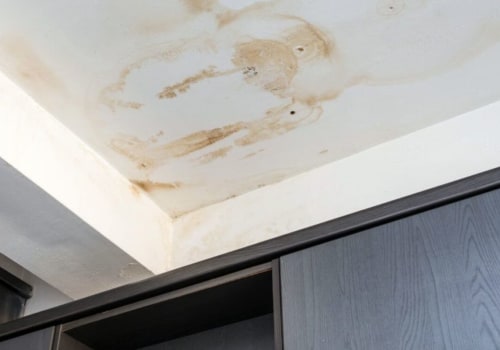
- Water Stains on Ceilings: One of the most noticeable signs of a roof leak is the appearance of water stains on your ceilings. These stains often appear as discoloured patches, typically brown or yellow, and can indicate that water is seeping through your roof.
- Damp Patches on Walls: Similar to ceiling stains, damp patches on walls can signal a leak. If you notice areas that feel moist to the touch or have peeling paint, it’s crucial to investigate further.
- Mold and Mildew Growth: The presence of mold or mildew in your home can be a direct result of excess moisture from a roof leak.
If you detect a musty smell or see visible mould, it’s important to address the issue promptly.
- Increased Energy Bills: A sudden spike in your energy bills may indicate that your roof is not providing adequate insulation due to leaks. Warm air escaping through damaged roofing can lead to higher heating costs in winter.
- Dripping Sounds: If you hear dripping sounds during or after rain, it could be a sign that water is entering your home through a compromised roof. Pay attention to these sounds, especially in quiet moments.
- Visible Damage on Roof Surface: Regularly inspect your roof for missing shingles, cracks, or other visible damage. These issues can lead to leaks if not addressed quickly.
If you suspect a leak but cannot identify its source, consider consulting with a professional roof leak detection specialist. They possess the expertise and tools necessary to locate hidden leaks and recommend appropriate repairs.
The Importance of Professional Roof Leak Detection Services
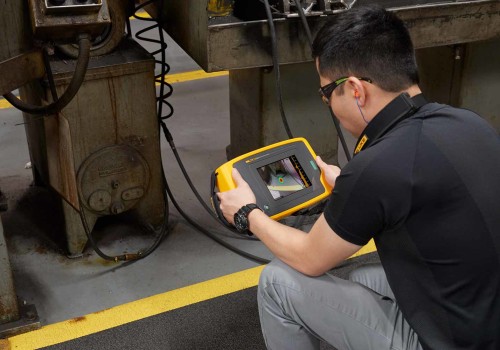
When it comes to maintaining the integrity of your home, professional roof leak detection services play a crucial role. Many homeowners underestimate the importance of addressing roof leaks promptly and effectively. Engaging a specialist not only ensures that leaks are accurately identified but also helps prevent further damage that can arise from undetected issues.One of the primary benefits of hiring a roof leak expert is their extensive knowledge and experience in the field.These professionals are trained to recognise the subtle signs of leaks that an untrained eye might miss. They understand the various types of roofing materials and how they respond to different weather conditions, which allows them to pinpoint potential problem areas with precision.Moreover, professional leak detection specialists utilise advanced tools and technology that are not typically available to the average homeowner. For instance, thermal imaging cameras can detect temperature variations in roofing materials, indicating moisture presence beneath the surface. This non-invasive method allows for a thorough inspection without causing additional damage to your roof.In addition to identifying existing leaks, these experts can also provide valuable insights into preventative measures.
They can assess your roof's overall condition and recommend maintenance strategies that can extend its lifespan and reduce the likelihood of future leaks. This proactive approach not only saves you money in the long run but also gives you peace of mind knowing that your home is protected.Furthermore, hiring a professional for roof leak detection can be beneficial when it comes to insurance claims. A certified expert can provide detailed reports and documentation that may be required by your insurance company, ensuring that you receive the coverage you deserve for any repairs needed.In summary, enlisting the help of a professional roof leak detection service is essential for safeguarding your home against water damage. Their expertise, advanced tools, and preventative strategies make them invaluable allies in maintaining your roof's integrity and ensuring your home remains a safe haven.
How to Find a Roof Leak Detection Specialist Near You
Finding a reliable roof leak detection specialist in your area can be a daunting task, especially when you are faced with the urgency of a leaking roof.However, with the right approach, you can identify a qualified professional who can address your needs effectively. Here are some practical tips to help you in your search.
1.Start with Online Research
- Utilise search engines to look for local roofing contractors. Use keywords like "roof leak detection specialist near me" or "roofing services in [your location]" to narrow down your options.
- Check local business directories and platforms such as Google My Business, Yelp, or Angie's List. These platforms often provide ratings and reviews from previous customers, which can give you insight into the quality of service offered.
2.Read Reviews and Testimonials
- Pay close attention to customer reviews.
Look for patterns in feedback regarding punctuality, professionalism, and the effectiveness of the leak detection services provided.
- Consider reaching out to past clients if possible. A direct conversation can provide valuable insights into their experiences and satisfaction levels.
3.Ask for Recommendations
- Consult friends, family, or neighbours who have recently had roofing work done. Personal recommendations can often lead you to trustworthy specialists.
- If you are part of any local community groups or forums, consider posting a request for recommendations there as well.
4.Verify Credentials and Experience
- Once you have a shortlist of potential specialists, check their credentials. Ensure they are licensed and insured to operate in your area.
- Inquire about their experience specifically in roof leak detection.
A contractor with extensive experience is more likely to identify issues accurately and provide effective solutions.
5.Get Multiple Quotes
- Contact several specialists to obtain quotes for their services. This will not only give you an idea of the market rate but also allow you to gauge their responsiveness and customer service.
- Be wary of quotes that seem significantly lower than others; they may indicate subpar materials or rushed work.
6.Schedule Consultations
- If possible, arrange for consultations with your top choices. This will give you an opportunity to discuss your specific needs and assess their professionalism and communication skills.
- A good specialist will take the time to explain their process and answer any questions you may have about roof leak detection and repair.
What to Expect During a Roof Leak Inspection
When you schedule a roof leak inspection, it’s essential to understand what the process entails and what you can expect from the professionals conducting the assessment. A thorough roof leak inspection is crucial for identifying potential issues before they escalate into significant problems.Initial Consultation
The inspection typically begins with an initial consultation.
During this phase, the roofing specialist will ask you about any visible signs of leaks, such as water stains on ceilings or walls, damp patches, or mould growth. This information helps them focus their inspection on the most likely areas of concern.
Exterior Inspection
The next step involves a comprehensive exterior inspection of your roof. The inspector will look for:
- Damaged or missing shingles: These can create openings for water to penetrate.
- Flashing issues: Flashing around chimneys, vents, and skylights must be intact to prevent leaks.
- Debris accumulation: Leaves and branches can trap moisture and lead to deterioration.
- Signs of wear: Cracks or blisters in roofing materials may indicate underlying problems.
Interior Inspection
After examining the exterior, the inspector will move indoors to check for signs of water damage. This includes:
- Ceiling and wall stains: Discolouration can indicate where water has infiltrated.
- Mould growth: The presence of mould suggests prolonged moisture exposure.
- Damp insulation: Wet insulation can compromise your home’s energy efficiency and indicate a leak.
Leak Detection Techniques
To pinpoint the source of a leak, specialists may employ various techniques, including:
- Infrared thermography: This technology detects temperature differences in roofing materials, helping identify moisture intrusion.
- Moisture meters: These devices measure the moisture content in building materials to locate hidden leaks.
Final Assessment and Recommendations
Once the inspection is complete, the roofing expert will provide you with a detailed report outlining their findings.
This report typically includes:
- A summary of identified issues
- A recommended course of action for repairs
- An estimate of costs associated with necessary repairs
Common Roof Leak Repair Techniques Used by Professionals
When it comes to addressing roof leaks, professionals employ a variety of techniques tailored to the specific circumstances of each case. Understanding these methods can help homeowners appreciate the expertise involved in roof leak repairs and the importance of hiring qualified specialists.Patching
Patching is one of the most common techniques used to repair minor leaks. This method involves identifying the source of the leak and applying a patch over the damaged area.Professionals typically use materials such as roofing cement, rubberised sealants, or even metal patches, depending on the type of roofing material. The key to effective patching is ensuring that the area is clean and dry before application, which helps create a strong bond and prevents future leaks.
Sealing
Sealing is another effective technique, particularly for flat roofs or areas prone to pooling water. This process involves applying a waterproof sealant over seams, joints, and other vulnerable areas to prevent water ingress. Professionals often use liquid rubber or silicone-based sealants that expand and contract with temperature changes, ensuring long-lasting protection against leaks.Replacing Damaged Materials
In cases where the damage is extensive, simply patching or sealing may not suffice.Professionals may need to replace damaged roofing materials entirely. This could involve removing shingles, tiles, or sections of flat roofing to access the underlying structure. Once the damaged materials are removed, new materials are installed, ensuring that they match the existing roof for both aesthetic and functional purposes.
Flashing Repairs
Flashing is critical in preventing leaks around chimneys, vents, and skylights. If flashing becomes loose or damaged, it can lead to significant water intrusion.Professionals will inspect flashing for signs of wear and may either reseal it or replace it entirely to ensure a watertight seal.
Comprehensive Inspections
Ultimately, effective roof leak repair begins with a thorough inspection. Professionals will assess not only the visible signs of leaks but also potential underlying issues that could lead to future problems. By identifying these risks early on, they can implement preventative measures alongside repairs, ensuring your roof remains in optimal condition.In conclusion, understanding these common roof leak repair techniques can empower homeowners when seeking professional help. Whether through patching, sealing, replacing materials, or repairing flashing, skilled specialists have the knowledge and tools necessary to effectively address roof leaks and protect your home from further damage.Preventative Measures: Keeping Your Roof Leak-Free
Maintaining the integrity of your roof is crucial in preventing leaks and ensuring the longevity of your home.Regular maintenance not only helps to identify potential issues before they escalate but also extends the lifespan of your roofing materials. Here are some effective preventative measures to keep your roof leak-free:
- Regular Inspections: Conduct thorough inspections of your roof at least twice a year, ideally in spring and autumn. Look for signs of wear and tear, such as cracked or missing shingles, rusted flashing, or damaged gutters.
- Clean Gutters and Downspouts: Clogged gutters can lead to water pooling on your roof, increasing the risk of leaks. Ensure that gutters and downspouts are free from debris, leaves, and dirt.
Regular cleaning will facilitate proper drainage and prevent water from backing up.
- Trim Overhanging Branches: Trees that hang over your roof can cause damage during storms or high winds. Regularly trim branches to prevent them from scraping against the roof surface or falling onto it.
- Check for Moss and Algae: Moss and algae can trap moisture against your roof, leading to deterioration. If you notice any growth, consider using a moss remover or hiring a professional to clean it safely.
- Inspect Flashing: Flashing is used to direct water away from critical areas of your roof, such as chimneys and vents. Ensure that flashing is intact and properly sealed to prevent leaks.
- Sealant Maintenance: Over time, sealants around vents, skylights, and chimneys can degrade.
Regularly check these areas and reapply sealant as necessary to maintain a watertight seal.
Frequently Asked Questions About Roof Leak Detection and Repair
When it comes to roof leak detection and repair, homeowners often have numerous questions.Understanding the process can help you make informed decisions and ensure your home remains safe and dry. Below are some frequently asked questions regarding roof leak detection and repair.
What are the common signs of a roof leak?
Identifying a roof leak early can save you from extensive damage. Common signs include:- Water stains on ceilings or walls.
- Mold or mildew growth in areas where moisture accumulates.
- Peeling paint or wallpaper, particularly in upper levels.
- Dripping water during rainstorms.
- Missing or damaged shingles on the roof surface.
How is a roof leak detected?
A professional roof leak detection specialist employs various methods to locate leaks, including:- Visual inspections: A thorough examination of the roof for visible signs of damage.
- Moisture meters: Tools that measure moisture levels in roofing materials.
- Thermal imaging: Detects temperature differences that indicate moisture presence.
- Water tests: Controlled water application to pinpoint leak sources.
How long does it take to repair a roof leak?
The duration of a roof leak repair depends on several factors, including the extent of the damage and the type of roofing material. Minor repairs may take just a few hours, while more extensive work could require several days.It’s essential to consult with your roofing contractor for an accurate timeline based on your specific situation.
Will my insurance cover roof leak repairs?
This largely depends on your insurance policy. Most homeowners' insurance covers repairs resulting from sudden and accidental damage, such as storm-related leaks. However, gradual leaks due to lack of maintenance may not be covered. Always check with your insurance provider to understand your coverage details.What should I do if I suspect a roof leak?
If you suspect a roof leak, it’s crucial to act quickly:- Inspect your home: Look for visible signs of leaks or water damage.
- Document the damage: Take photos for insurance purposes.
- Contact a professional: Hire a qualified roofing contractor for an inspection and repair.
Conclusion: Ensuring Your Home is Safe from Roof Leaks
In conclusion, safeguarding your home from the detrimental effects of roof leaks is paramount for maintaining a safe and comfortable living environment.As we have discussed, the early detection of leaks can prevent extensive damage and costly repairs. Ignoring even the smallest signs of a leak can lead to significant issues, including structural damage, mould growth, and compromised indoor air quality.It is essential to remain vigilant and proactive in monitoring your roof's condition. Regular inspections, especially after severe weather events, can help identify potential vulnerabilities before they escalate into serious problems. Homeowners should be aware of common indicators of roof leaks, such as:
- Water stains on ceilings or walls
- Peeling paint or wallpaper
- Visible mould or mildew
- Damaged shingles or tiles
- Unpleasant odours in enclosed spaces
These professionals possess the necessary skills and tools to conduct thorough inspections and accurately diagnose the source of leaks. Their experience allows them to implement effective solutions that not only address current issues but also prevent future occurrences.Moreover, understanding your insurance policy regarding roof repairs can provide peace of mind. Many policies cover damages caused by natural events, making it vital to document any leaks and repairs undertaken. This documentation can be invaluable when filing claims.Ultimately, investing in professional roof leak detection services is a wise decision that can save you time, money, and stress in the long run.
By prioritising timely intervention and maintenance, you ensure that your home remains a safe haven for you and your family.