Water leak detectors are essential devices designed to identify and alert homeowners to the presence of unwanted water in areas where it should not be. These devices play a crucial role in roof leak detection , as they can help pinpoint leaks that may go unnoticed until significant damage has occurred. By employing advanced sensors, water leak detectors can monitor moisture levels and detect leaks early, allowing for prompt action to mitigate potential damage.Understanding the importance of leak detection cannot be overstated. Water damage can lead to a myriad of problems, including structural issues, mould growth, and costly repairs.
A roof leak, for instance, can compromise the integrity of your home, leading to extensive damage if left unchecked. Water leak detectors serve as an early warning system, providing homeowners with peace of mind and protecting their investments.In addition to safeguarding your property, these devices can also contribute to water conservation efforts. By identifying leaks promptly, homeowners can address issues before they escalate, reducing water waste and lowering utility bills. With the advent of smart technology, many modern water leak detectors offer features such as smartphone notifications and integration with home automation systems, making it easier than ever to stay informed about the condition of your home.As we delve deeper into the world of water leak detection, we will explore various types of detectors available on the market, their functionalities, and how they can be effectively utilised for roof leak detection.
Understanding these aspects will empower homeowners to make informed decisions about protecting their homes from the damaging effects of water leaks.
What is a Water Leak Detector?
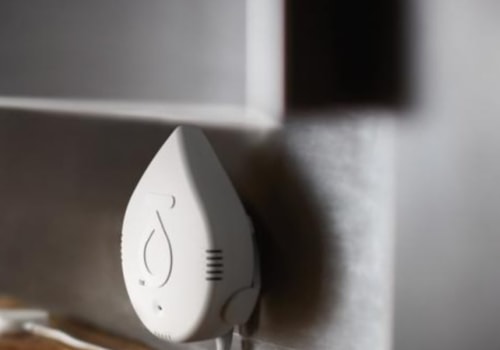
A water leak detector is a device designed to identify the presence of water where it should not be, thereby preventing potential damage to property and reducing the risk of costly repairs. These devices are essential for homeowners, especially in areas prone to leaks, such as basements, kitchens, and bathrooms. By providing early warnings, water leak detectors can help mitigate the effects of water damage, mould growth, and structural issues.Water leak detectors come in various types, each with unique features and functionalities. Understanding these types can help homeowners choose the right solution for their needs.Types of Water Leak Detectors
- Standalone Sensors: These are basic devices that detect water presence through moisture sensors.
They typically emit an alarm when they come into contact with water. Standalone sensors are easy to install and can be placed in high-risk areas.
- Smart Water Leak Detectors: These advanced devices connect to your home Wi-Fi network and send alerts directly to your smartphone or tablet. They often include additional features such as temperature and humidity monitoring, allowing for more comprehensive home management.
- Integrated Systems: Some water leak detectors are part of larger home automation systems. These systems can control other smart devices, such as shut-off valves, which automatically stop the water supply when a leak is detected.
- Cable Sensors: These detectors use a long cable equipped with multiple sensors along its length.
They are particularly useful for monitoring large areas or specific locations prone to leaks, such as under sinks or near appliances.
- Wireless Sensors: Wireless models communicate with a central hub or directly with your smartphone without the need for extensive wiring. This flexibility allows for easy installation in various locations around the home.
How Roof Leak Detection Works
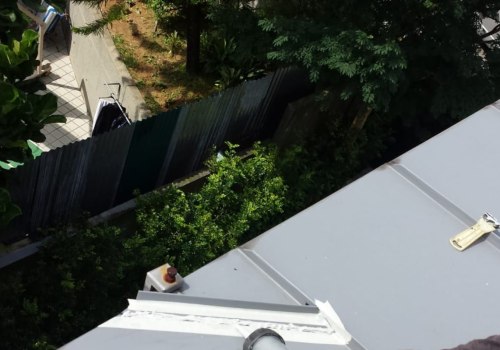
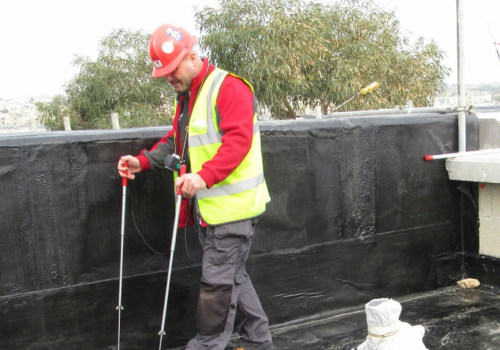
Roof leak detection is a critical aspect of maintaining the integrity of a building. Understanding how these systems work can significantly enhance your ability to prevent water damage and costly repairs.At the core of roof leak detection technology are various sensors and monitoring systems designed to identify moisture presence and abnormal conditions.Most modern roof leak detection systems employ a combination of moisture sensors , temperature sensors , and humidity sensors. These devices work together to create a comprehensive monitoring environment. When installed on or near the roof, these sensors continuously assess the conditions, looking for signs of leaks or potential water ingress.
How Sensors Operate
The moisture sensors are particularly vital; they detect the presence of water where it should not be. When moisture is detected, the system can trigger an alarm or send a notification to the homeowner's smartphone, allowing for immediate action.Temperature sensors play a complementary role by monitoring for conditions that could lead to ice formation or frozen pipes, which are common culprits in roof leaks during colder months.
Advanced Technologies
Some advanced systems incorporate smart technology , enabling integration with home automation systems. This allows homeowners to receive real-time alerts and even control their leak detection systems remotely. For instance, systems like the Flo by Moen not only detect leaks but can also shut off the water supply automatically if a significant leak is identified.Another innovative approach involves the use of infrared cameras and thermal imaging. These technologies can identify temperature variations on the roof surface, indicating potential leaks before they become visible.By detecting these changes early, homeowners can address issues proactively, preventing extensive damage.In addition to these technologies, some systems utilize data analytics. By analysing historical data on moisture levels and environmental conditions, these systems can predict when a leak is likely to occur based on patterns observed over time. This predictive capability enhances the effectiveness of roof leak detection by allowing for preemptive measures.In summary, roof leak detection combines various technologies and methodologies to provide an effective solution for identifying leaks early. By understanding how these systems operate, homeowners can make informed decisions about their installation and maintenance, ultimately safeguarding their properties from water damage.
Benefits of Using Water Leak Detectors
Water leak detectors are invaluable tools for homeowners, particularly when it comes to safeguarding roofs and preventing extensive damage.The benefits of installing these systems extend beyond mere convenience; they offer significant advantages that can save time, money, and stress.
- Early Detection of Leaks: One of the primary benefits of water leak detectors is their ability to identify leaks at an early stage. This early detection is crucial for roofs, where undetected leaks can lead to severe structural damage, mould growth, and costly repairs. By alerting homeowners to the presence of water before it becomes a major issue, these devices can help mitigate potential damage.
- Cost Savings: Investing in a water leak detection system can lead to substantial cost savings over time. The expenses associated with repairing water damage, replacing roofing materials, or addressing mould infestations can be exorbitant.
By catching leaks early, homeowners can avoid these high costs and maintain the integrity of their property.
- Peace of Mind: Knowing that a water leak detection system is in place provides homeowners with peace of mind. This reassurance allows them to focus on other aspects of home maintenance without the constant worry of potential leaks going unnoticed. Many modern systems offer smartphone notifications, enabling homeowners to stay informed even when they are away from home.
- Increased Property Value: Homes equipped with advanced water leak detection systems may see an increase in property value. Prospective buyers often view such features as added security and convenience, making the property more attractive in a competitive market.
- Environmental Benefits: Water leak detectors contribute to environmental conservation by reducing water waste.
By identifying leaks promptly, these systems help ensure that water is used efficiently and responsibly, aligning with sustainable living practices.
Types of Water Leak Detection Systems
Water leak detection systems are essential for safeguarding homes and businesses from the potentially devastating effects of water damage. These systems can be broadly categorised into two main types: traditional leak detection systems and smart leak detection systems. Each type has its own unique features, advantages, and suitability for different environments.Traditional Leak Detection Systems
Traditional leak detection systems typically rely on basic technology to identify water leaks.These systems often include:
- Passive Sensors: These devices are placed in areas prone to leaks, such as under sinks or near water heaters. They detect the presence of water and trigger an alarm when moisture is detected.
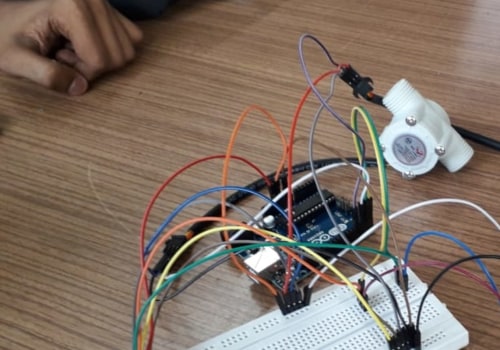
- Flow Meters: Installed in the plumbing system, flow meters monitor the flow of water through pipes. If an unusual flow pattern is detected, it may indicate a leak.
- Acoustic Sensors: These sensors listen for the sound of water escaping from pipes. They can be effective in identifying leaks that are not visible.
Smart Leak Detection Systems
In contrast, smart leak detection systems leverage modern technology to provide enhanced monitoring and control.Key features include:
- Real-Time Alerts: Smart detectors send instant notifications to your smartphone or other devices when a leak is detected, allowing for immediate action.
- Integration with Smart Home Systems: Many smart leak detectors can integrate with existing smart home ecosystems, enabling users to automate responses, such as shutting off the water supply.
- Data Analytics: Some advanced models track water usage patterns over time, helping homeowners identify potential issues before they escalate into significant problems.
Installation and Maintenance of Water Leak Detectors
Installing a water leak detector is a straightforward process, but ensuring it is done correctly is crucial for effective monitoring. Here’s a step-by-step guide to help you with the installation:- Choose the Right Location: Identify areas in your home that are prone to leaks, such as under sinks, near water heaters, or in basements.
For roof leak detection, consider placing sensors in attics or near roof drainage systems.
- Prepare the Surface: Ensure the surface where you will mount the detector is clean and dry. This will help the adhesive or mounting hardware adhere properly.
- Follow Manufacturer Instructions: Each water leak detector may have specific installation guidelines. Read the manual carefully to understand how to set up your device.
- Connect to Power (if applicable): Some detectors require a power source. If your model needs to be plugged in, ensure you have an accessible outlet nearby.
- Test the Device: After installation, test the detector to ensure it is functioning correctly.
Most devices have a test button that simulates a leak.
- Check Batteries Regularly: If your detector runs on batteries, check them every six months and replace them as needed. Some models may alert you when battery levels are low.
- Clean the Sensor: Dust and debris can accumulate on the sensor over time, affecting its performance. Gently wipe the sensor with a soft cloth to keep it clean.
- Test Functionality: Conduct regular tests of your water leak detector to ensure it responds appropriately.
This can be done by simulating a leak with a small amount of water.
- Update Software: If your device connects to an app or smart home system, ensure that you keep the software updated for optimal performance and security.
- Review Alerts and Notifications: Regularly check your app for any alerts or notifications regarding potential leaks or system issues. Address any concerns promptly to prevent damage.
Common Issues with Water Leak Detectors
Water leak detectors are invaluable tools for safeguarding your home against water damage, but like any technology, they can encounter issues. Understanding these common problems and knowing how to troubleshoot them can significantly enhance your experience and ensure your system operates effectively.1.False Alarms
One of the most frequent complaints from users is the occurrence of false alarms. These can be triggered by:- Humidity Levels: High humidity can sometimes be misinterpreted as a leak.
Ensure that your detector is placed in an area where humidity levels are stable.
- Condensation: Areas prone to condensation, such as near air conditioning units, can lead to unnecessary alerts. Consider relocating the sensor if this is a recurring issue.
- Debris or Dust: Accumulation of dust or debris on the sensor can interfere with its functionality. Regular cleaning can help mitigate this problem.
2.Connectivity Issues
Many modern water leak detectors rely on Wi-Fi or Bluetooth connectivity to send alerts to your smartphone. Users may experience:- Weak Signal: If your detector is located far from your router, it may struggle to maintain a connection.
Consider moving the device closer to the router or using a Wi-Fi extender.
- App Malfunctions: Sometimes, the accompanying app may not function correctly due to software updates or bugs. Ensure that both the app and the detector's firmware are up to date.
3.Battery Life Concerns
Batteries are a critical component of many water leak detectors. Users often report:- Short Battery Life: If your detector requires frequent battery changes, it may be time to check for issues such as poor placement or malfunctioning sensors.
- No Low Battery Alerts: Some devices fail to notify users when battery levels are low. Regularly check battery status through the app or device settings.
Troubleshooting Tips
If you encounter any of these issues, consider the following troubleshooting tips:- Relocate Your Detector: Move it to a more suitable location away from potential false triggers.
- Regular Maintenance: Clean the sensor and check for any obstructions that could affect performance.
- Check Connectivity: Ensure that your Wi-Fi signal is strong and that the device is properly connected.
- Update Software: Keep both the detector's firmware and the app updated to avoid compatibility issues.
Comparing Popular Water Leak Detectors on the Market
When it comes to safeguarding your home from water damage, choosing the right water leak detector is crucial.Below, we compare some of the most popular models available on the market, highlighting their features, advantages, and drawbacks to help you make an informed decision.
1.Moen Smart Water Detector
- Features: This device offers in-app temperature and humidity monitoring, allowing you to track conditions over the past 24 hours or seven days.
- Pros: Users can set specific temperature and humidity thresholds for alerts, and the app allows for easy alarm resets.
- Cons: The alarm volume is relatively low compared to other models, and it lacks full smart home integration.
2.Phyn Intelligent Water Sensor
- Features: Similar to Moen, it tracks temperature and humidity with graphical data displayed in its app.
- Pros: Consistent performance in tests and includes two AA batteries for operation.
- Cons: The device is larger than some competitors, which may limit placement options, and alarms must be silenced manually.
3.Flo by Moen
- Features: This system not only detects leaks but can also shut off the water supply automatically if a major leak is detected.
- Pros: It monitors water pressure and temperature while providing daily usage statistics through its app.
- Cons: Requires a subscription for some features and must be installed by a plumber.
4.Leaksmart Valve
- Features: Connects via Zigbee to a concentrator for remote monitoring and control from your smartphone.
- Pros: Integrates well with various smart home systems like Google Nest and Amazon Alexa.
- Cons: Requires a hub for operation, which may add to overall costs.
FAQs About Roof Leak Detection and Water Leak Detectors
When it comes to roof leak detection and the use of water leak detectors, many homeowners have questions. Below are some of the most frequently asked questions that can help clarify the importance and functionality of these systems.What is a water leak detector?
A water leak detector is a device designed to identify the presence of water in areas where it should not be. These detectors can be particularly useful for monitoring potential leaks in roofs, basements, and other vulnerable areas of a home.They typically use sensors to detect moisture and can send alerts to homeowners via smartphone apps or alarms.
How does roof leak detection work?
Roof leak detection systems often employ a combination of moisture sensors and thermal imaging technology. The sensors are placed in strategic locations on the roof or within the building structure to monitor for signs of water intrusion. When moisture is detected, the system triggers an alert, allowing homeowners to take immediate action before significant damage occurs.Why is it important to detect roof leaks early?
Early detection of roof leaks is crucial as it can prevent extensive damage to your home. Water intrusion can lead to structural issues, mould growth, and damage to personal belongings.By identifying leaks promptly, homeowners can save on costly repairs and maintain a safe living environment.
Can I install a water leak detector myself?
Yes, many water leak detectors are designed for easy installation and can be set up by homeowners without professional assistance. Most devices come with clear instructions and require minimal tools. However, for more complex systems that integrate with existing plumbing or electrical systems, professional installation may be advisable.Are there smart water leak detectors available?
Absolutely! Many modern water leak detectors are equipped with smart technology that allows them to connect to your home Wi-Fi network. This enables real-time monitoring and alerts sent directly to your smartphone.Some models even integrate with smart home systems, allowing for automated responses such as shutting off the water supply in case of a major leak.
How often should I test my water leak detector?
It is recommended to test your water leak detector at least once a month to ensure it is functioning correctly. Regular testing helps confirm that the batteries are charged and that the device is responsive. Additionally, check for any updates or maintenance requirements specified by the manufacturer.By understanding these common questions about roof leak detection and water leak detectors, homeowners can make informed decisions about protecting their properties from potential water damage.Conclusion: The Importance of Roof Leak Detection Systems
In conclusion, the significance of roof leak detection systems cannot be overstated. These systems serve as a crucial line of defence against the potentially devastating effects of water damage, which can lead to costly repairs and significant structural issues.By investing in a reliable leak detection system, homeowners can proactively monitor their roofs and identify leaks before they escalate into major problems.Throughout this article, we have explored various aspects of roof leak detection, including the technology behind these systems, their benefits, and the different types available on the market. The ability to receive real-time alerts about leaks allows homeowners to take immediate action, thereby minimising damage and reducing repair costs.Moreover, modern roof leak detection systems often come equipped with advanced features such as temperature and humidity monitoring, which can provide valuable insights into the overall health of your roofing system. This data not only helps in identifying leaks but also aids in maintaining optimal conditions that prevent future issues.Additionally, many of these systems offer integration with smart home technology, allowing for seamless monitoring and control from your smartphone or other devices. This convenience ensures that homeowners are always informed about the status of their roofs, even when they are away from home.Ultimately, the investment in a roof leak detection system is an investment in peace of mind.
By taking proactive measures to protect your home from water damage, you safeguard not only your property but also your financial well-being. As such, it is essential for homeowners to consider implementing a roof leak detection system as part of their overall home maintenance strategy.In summary, the importance of roof leak detection systems lies in their ability to provide early warnings, facilitate timely repairs, and enhance the longevity of your roofing structure. With the right system in place, you can ensure that your home remains safe and secure against the threats posed by water leaks.