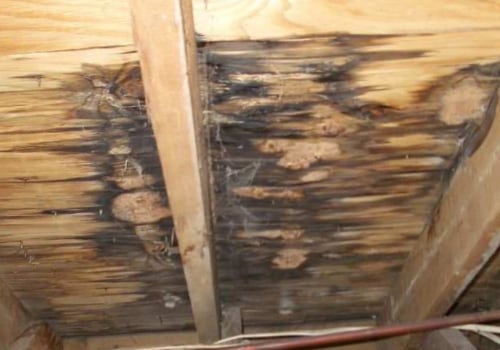
For homeowners, understanding roof leak coverage is crucial, as it can significantly impact both the safety and value of their property. A roof is not merely a protective barrier against the elements; it is a vital component that contributes to the overall structural integrity of a home. When leaks occur, they can lead to extensive damage, including mould growth, structural deterioration, and costly repairs. Therefore, knowing how roof leaks are covered under home warranties and homeowners insurance is essential for effective risk management.Many homeowners may not realise that while their insurance policies often cover certain types of roof damage, there are limitations and exclusions that can leave them vulnerable.
For instance, damage resulting from natural disasters like storms or falling trees is typically covered, but issues arising from lack of maintenance or normal wear and tear may not be. This distinction is vital when considering how to protect your investment and ensure that you are adequately covered in the event of a leak.Moreover, roof leak detection plays a pivotal role in mitigating potential damage before it escalates. Early identification of leaks can save homeowners significant amounts in repair costs and prevent further complications. Understanding the nuances of coverage options available through home warranties and insurance policies empowers homeowners to make informed decisions about their property’s protection.
In this article, we will delve deeper into the specifics of roof leak coverage, exploring what is typically included in home warranties and how homeowners can best safeguard their roofs against leaks.
What is a Home Warranty?
A home warranty is a service contract designed to cover the repair or replacement of major home systems and appliances that may fail due to normal wear and tear. Unlike homeowners insurance, which typically protects against damage from unforeseen events such as fire, theft, or natural disasters, a home warranty focuses on the functionality of specific items within the home. This distinction is crucial for homeowners to understand when considering their options for protecting their investment.Home warranties can vary significantly in terms of coverage, but they generally fall into a few main categories:- Systems Coverage: This type of warranty covers essential home systems such as heating, ventilation, and air conditioning (HVAC), plumbing, electrical systems, and sometimes even ductwork. If any of these systems fail due to age or wear, the warranty will typically cover the cost of repairs or replacements. This type of warranty covers essential home systems such as heating, ventilation, and air conditioning (HVAC), plumbing, electrical systems, and sometimes even ductwork. If any of these systems fail due to age or wear, the warranty will typically cover the cost of repairs or replacements.
- Appliance Coverage: Home warranties often include coverage for major household appliances like refrigerators, ovens, dishwashers, and washing machines.
This coverage ensures that if an appliance breaks down unexpectedly, the homeowner can receive assistance without incurring significant out-of-pocket expenses.
- Combination Plans: Many providers offer combination plans that include both systems and appliance coverage. These comprehensive plans are ideal for homeowners looking for extensive protection against various potential issues.
Understanding the differences between home warranties and homeowners insurance is vital for making informed decisions about protecting your home.
Understanding Roof Leaks: Causes and Detection
Roof leaks can be a homeowner's worst nightmare, leading to extensive damage if not addressed promptly. Understanding the causes of roof leaks is crucial for early detection and prevention of costly repairs.Common Causes of Roof Leaks
- Age and Wear: Over time, roofing materials can deteriorate due to exposure to the elements. Shingles may crack, curl, or become loose, allowing water to seep through.
- Poor Installation: If a roof is not installed correctly, it can lead to leaks. This includes improper sealing around vents, chimneys, and skylights.
- Flashing Issues: Flashing is the metal material used to direct water away from critical areas of the roof.
If flashing is damaged or improperly installed, it can create vulnerable points for leaks.
- Clogged Gutters: When gutters are blocked with debris, water can overflow and pool on the roof, increasing the risk of leaks.
- Severe Weather: Heavy rain, hail, or snow can cause immediate damage to roofs. Wind can also lift shingles, exposing the underlying layers to moisture.
Methods for Roof Leak Detection
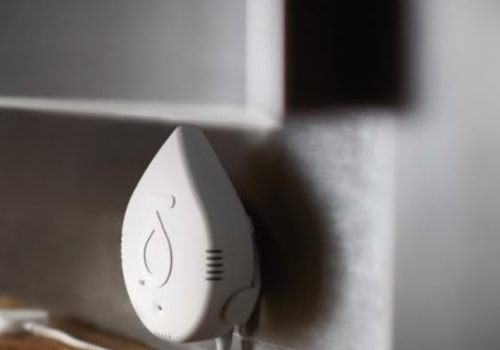
Detecting a roof leak early can save homeowners significant amounts in repair costs. Here are some effective methods for identifying potential leaks:
- Visual Inspection: Regularly inspect your roof for visible signs of damage such as missing shingles, rusted flashing, or sagging areas. Look for water stains on ceilings and walls inside your home.
- Water Test: If you suspect a leak but cannot find it visually, consider using a hose to simulate rain.
Start at the bottom of the roof and work your way up, checking for leaks as you go.
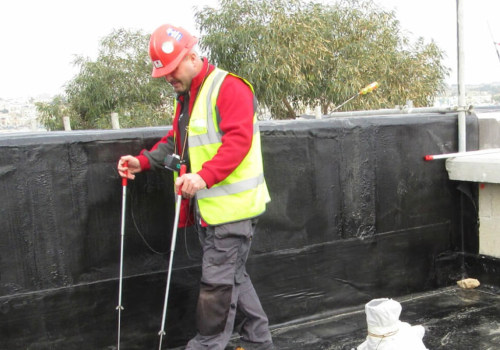
- Infrared Technology: Professional roof inspectors often use infrared cameras to detect temperature differences in roofing materials that indicate moisture presence beneath the surface.
- Professional Inspections: Hiring a qualified roofing contractor for an annual inspection can help identify issues before they escalate into major problems.
Are Roof Leaks Covered by Home Warranties?
When it comes to protecting your home from unexpected expenses, understanding whether roof leaks are covered by home warranties is crucial. Home warranties can provide a safety net for homeowners, but the specifics of coverage can vary significantly between different plans and providers.What Does a Home Warranty Cover?
A home warranty is essentially a service contract that covers the repair or replacement of major home systems and appliances. While most plans include coverage for items like heating systems, plumbing, and electrical systems, the inclusion of roof leak coverage can be more nuanced.
Typically, a standard home warranty may cover roof leaks caused by specific issues such as:
- Age-related wear and tear
- Minor leaks that do not require extensive repairs
- Damage resulting from improper installation or maintenance
Limitations and Exclusions
While home warranties can offer some peace of mind, they also come with limitations. For instance, most plans do not cover:
- Damage due to lack of maintenance or neglect
- Roof replacements; many warranties only cover repairs
- Leaks caused by severe weather events unless specified
It’s essential to keep up with regular maintenance and inspections to ensure that your warranty remains valid.
Conclusion
In summary, while roof leaks can be covered by home warranties, the extent of this coverage varies widely. Homeowners should carefully assess their warranty options and consider additional coverage for their roofs if necessary. By doing so, you can safeguard your finances against unexpected repair costs and ensure that your home remains protected.
Homeowners Insurance vs. Home Warranty: Key Differences
When it comes to protecting your home, understanding the differences between homeowners insurance and a home warranty is crucial, especially regarding coverage for roof leaks.While both serve to safeguard your property, they operate in distinct ways and cover different aspects of home maintenance and repair.
Homeowners Insurance
Homeowners insurance is designed to protect your home and personal belongings from unforeseen events such as fire, theft, or natural disasters. This type of insurance typically covers roof leaks caused by sudden and accidental incidents, such as a tree falling on your house or damage from severe weather conditions like hail or wind. However, it’s important to note that homeowners insurance generally does not cover damage resulting from wear and tear or lack of maintenance. For instance, if your roof leaks due to age-related deterioration or neglect, your insurance provider may deny your claim.
Home Warranty
A home warranty, on the other hand, is a service contract that covers the repair or replacement of major home systems and appliances due to normal wear and tear.
This can include coverage for roof leaks under certain conditions. Many home warranties offer optional roof coverage that can protect against leaks caused by age-related issues. However, it’s essential to read the fine print, as not all warranties include comprehensive roof protection, and some may have specific exclusions.
Key Differences
- Coverage Scope: Homeowners insurance covers a broader range of risks including natural disasters, while home warranties focus on the repair of systems and appliances.
- Cause of Damage: Insurance typically covers sudden incidents; warranties cover gradual deterioration.
- Claim Process: Filing a claim with homeowners insurance often involves a more complex process compared to the straightforward service request for a home warranty.
- Cost Implications: Homeowners insurance premiums can be higher due to the extensive coverage provided, whereas home warranties usually require an annual fee plus service call fees for repairs.
Common Misconceptions About Roof Leak Coverage
When it comes to roof leak coverage, many homeowners are often misled by common misconceptions that can lead to confusion and costly mistakes.Understanding these myths is crucial for making informed decisions about home warranties and insurance policies.
Myth 1: All Roof Leaks Are Covered by Home Warranties
One prevalent misconception is that all roof leaks are automatically covered under home warranty plans. While many warranties do offer some level of coverage for roof leaks, this is typically limited to specific circumstances, such as age-related deterioration. Homeowners should carefully review their warranty documents to understand the extent of their coverage and any exclusions that may apply.
Myth 2: Homeowners Insurance Covers All Types of Roof Damage
Another common belief is that homeowners insurance will cover any damage to the roof, including leaks. In reality, insurance policies often have strict guidelines regarding what types of damage are covered.
For instance, damage resulting from lack of maintenance or wear and tear is usually excluded. Homeowners must ensure they understand the terms of their policy and consider additional coverage options if necessary.
Myth 3: DIY Repairs Won't Affect Coverage
Many homeowners think that performing DIY repairs on a leaking roof will not impact their warranty or insurance coverage. However, this can be a dangerous assumption. If a homeowner attempts to fix a leak without professional help, they risk voiding their warranty or compromising their insurance claim.
It’s always advisable to consult with a qualified roofing contractor before undertaking any repairs.
Myth 4: Roof Replacement Is Always Covered
Some homeowners mistakenly believe that if their roof is damaged, it will be replaced at no cost under their warranty or insurance policy. In most cases, warranties do not cover full roof replacements due to the high costs involved. Instead, they may only cover repairs for specific issues like leaks. Understanding the limitations of your coverage can prevent unexpected expenses down the line.
Common Mistakes Homeowners Make
- Neglecting Regular Maintenance: Failing to maintain the roof can lead to significant issues that are not covered by warranties or insurance.
- Ignoring Small Leaks: Many homeowners delay addressing minor leaks, thinking they will resolve on their own.
This can lead to more extensive damage and higher repair costs.
- Not Documenting Damage: When filing a claim, having proper documentation of the damage and any repairs made is essential for a successful outcome.
How to File a Claim for Roof Leak Repairs
Filing a claim for roof leak repairs can seem daunting, but understanding the process can make it much more manageable. Whether you are claiming under a home warranty or your homeowners insurance, following a systematic approach will help ensure that your claim is processed smoothly.1.Assess the Damage
- Before filing a claim, thoroughly inspect your roof to determine the extent of the damage. Look for visible signs of leaks, such as water stains on ceilings or walls, and check for missing shingles or damaged flashing.
- Document the damage with photographs and take notes on when you first noticed the leak and any weather events that may have contributed to it.
2.Review Your Policy
- Check your home warranty or insurance policy to understand what is covered regarding roof leaks. Look for specific clauses related to roof damage and any exclusions that may apply.
- If you have a home warranty, verify whether roof leak coverage is included and what the limitations are.
3.Contact Your Provider
- Reach out to your home warranty company or insurance provider as soon as possible.
Most companies have a dedicated claims department that can guide you through the process.
- Be prepared to provide details about the damage, including your documentation and any relevant policy information.
4.File the Claim
- Follow your provider's instructions for filing a claim. This may involve filling out a claim form online or over the phone.
- Submit all required documentation, including photographs of the damage and any notes you have taken regarding the incident.
5.Schedule an Inspection
- Your provider may require an inspection of the damage before approving your claim. Be flexible with scheduling and ensure that you are available for any appointments.
- A qualified inspector will assess the damage and determine whether it falls under your coverage.
6.Follow Up
- After filing your claim, keep track of its status by following up with your provider regularly. This will help you stay informed about any additional information they may need or updates on approval timelines.
- If your claim is denied, ask for clarification on the reasons and consider appealing if you believe it should be covered.
Preventative Measures: Maintaining Your Roof to Avoid Leaks
Maintaining your roof is crucial in preventing leaks and ensuring the longevity of your home.Regular upkeep not only protects your property but also saves you from costly repairs down the line. Here are some essential roof maintenance tips to help you keep your roof in top condition:
- Regular Inspections: Conduct thorough inspections of your roof at least twice a year, ideally in spring and autumn. Look for signs of damage such as missing shingles, cracks, or rusted flashing.
- Clear Debris: Remove leaves, branches, and other debris from your roof and gutters. Clogged gutters can lead to water pooling on the roof, increasing the risk of leaks.
- Check for Algae and Moss: Algae and moss can trap moisture against your roof, leading to deterioration.
If you notice any growth, consider using a mixture of water and bleach to clean it off or hire a professional service.
- Inspect Flashing: The flashing around chimneys, vents, and skylights is often a weak point for leaks. Ensure that it is properly sealed and replace any damaged sections promptly.
- Maintain Attic Ventilation: Proper ventilation in your attic helps regulate temperature and moisture levels, reducing the risk of ice dams in winter and prolonging the life of your roof.
- Trim Overhanging Branches: Trees that hang over your roof can cause damage during storms or high winds. Regularly trim branches to prevent them from falling onto your roof.
- Professional Maintenance: Consider hiring a roofing professional for an annual inspection. They can identify potential issues that may not be visible to the untrained eye.
Remember that early detection is key; addressing minor issues before they escalate can save you both time and money in the long run. A well-maintained roof not only protects your home but also enhances its overall value.
Frequently Asked Questions About Roof Leak Coverage
When it comes to understanding roof leak coverage, many homeowners have questions regarding what is included in their home warranty and insurance policies. Here are some of the most frequently asked questions that can help clarify these important aspects.- What types of roof leaks are typically covered by home warranties?
Home warranties often cover roof leaks caused by age-related wear and tear, as well as specific incidents that lead to leaks, such as damage from storms or falling debris. However, it’s essential to review your specific policy, as coverage can vary significantly between providers. - Are roof leaks due to poor maintenance covered?
Generally, home warranties and insurance policies do not cover roof leaks resulting from lack of maintenance.Regular inspections and upkeep are crucial to ensure that your roof remains in good condition and to avoid potential claims being denied.
- How do I file a claim for a roof leak?
To file a claim, contact your home warranty provider or insurance company directly. You will need to provide details about the leak, including when it occurred and any relevant documentation, such as photographs or repair estimates. It’s advisable to act quickly, as delays can complicate the claims process. - Will my insurance cover the cost of a roof replacement?
Most standard homeowners insurance policies do not cover roof replacements unless the damage is due to a covered peril, such as a storm. In contrast, home warranties may offer limited coverage for repairs but typically do not include full replacements due to high costs. - What should I do if I suspect a roof leak?
If you suspect a leak, it’s important to act promptly.Look for signs such as water stains on ceilings or walls, dampness in the attic, or missing shingles. Contact a professional roofing contractor for an inspection and consider notifying your warranty provider or insurance company if repairs are needed.
Conclusion: Making Informed Decisions About Roof Leak Coverage
In conclusion, understanding the nuances of roof leak coverage is essential for homeowners seeking to protect their investment. As we have explored, both home warranties and homeowners insurance play critical roles in safeguarding against the financial burden of roof repairs.However, the coverage they provide can vary significantly based on the circumstances surrounding the damage.Homeowners insurance typically covers roof leaks resulting from sudden and accidental events, such as severe weather or falling objects. In contrast, damage due to wear and tear or lack of maintenance is generally excluded from coverage. This distinction is crucial for homeowners to grasp, as it underscores the importance of regular roof inspections and maintenance to prevent costly repairs down the line.On the other hand, a home warranty can offer additional peace of mind by covering specific issues related to roof leaks, particularly those arising from age-related deterioration. While a standard home warranty may not cover full roof replacements, it often includes provisions for repairing leaks that occur in the living areas of your home.
This can be particularly beneficial for homeowners who may not have comprehensive insurance coverage for such incidents.To make informed decisions regarding roof leak detection and coverage, homeowners should:
- Review their current insurance policy: Understand what is covered and what is not, especially concerning roof damage.
- Consult with a home warranty provider: Explore options that include roof leak coverage as part of their service plans.
- Schedule regular roof inspections: Proactively identify potential issues before they escalate into significant problems.
- Document any repairs or maintenance: Keep records to support any claims made to insurance or warranty providers.