Roof leak detection is a critical aspect of building maintenance that often goes unnoticed until significant damage has occurred. Water intrusion can lead to a myriad of problems, including structural damage, mould growth, and compromised indoor air quality. Understanding how roof leak detection works is essential for homeowners and property managers alike, as it not only helps in identifying existing leaks but also plays a vital role in preventing future issues.The process of detecting leaks in roofing systems involves various methods and technologies designed to pinpoint the source of water ingress accurately. From traditional visual inspections to advanced electronic systems, each technique offers unique advantages and can be tailored to suit different types of roofs and building structures.
The importance of timely leak detection cannot be overstated; early identification allows for prompt repairs, which can save property owners from costly renovations and extensive damage control.Moreover, the significance of leak detection extends beyond mere repair; it encompasses the overall health and longevity of a building. Regular monitoring and maintenance can enhance the lifespan of roofing materials, improve energy efficiency, and ensure that the living environment remains safe and comfortable. As we delve deeper into the various methods employed in roof leak detection, it becomes clear that investing in these technologies is not just a precaution but a necessary strategy for safeguarding one’s property.
The Importance of Roof Leak Detection
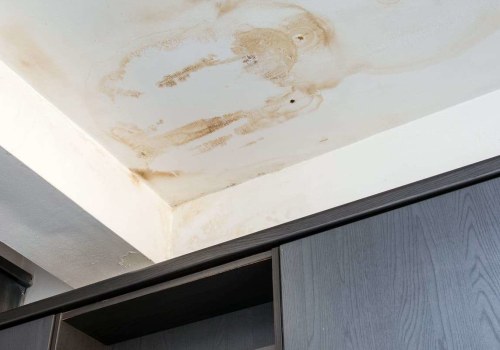
Roof leak detection is a critical aspect of property maintenance that often goes overlooked until significant damage has occurred. The importance of identifying leaks early cannot be overstated, as they can lead to a myriad of problems that affect both the structural integrity of a building and the health of its occupants.One of the primary benefits of early roof leak detection is the prevention of extensive damage.Water intrusion can weaken the structural components of a building, including beams, rafters, and walls. Over time, even a small leak can lead to major structural issues that require costly repairs or even complete replacement of affected areas. By detecting leaks promptly, homeowners and businesses can save themselves from these expensive consequences.Moreover, undetected leaks can create an ideal environment for mould growth. Mould thrives in damp conditions, and once it takes hold, it can spread rapidly throughout a property.
This not only poses health risks to occupants—such as respiratory issues and allergic reactions—but also necessitates further remediation efforts that can be both time-consuming and costly. Regular roof leak detection helps mitigate these risks by ensuring that any moisture intrusion is addressed before it escalates into a mould problem.In addition to structural damage and mould growth, water leaks can also lead to increased energy costs. When insulation becomes wet due to leaks, its effectiveness diminishes, causing heating and cooling systems to work harder to maintain comfortable indoor temperatures. This inefficiency results in higher utility bills, which can add up significantly over time.Furthermore, timely roof leak detection contributes to the longevity of roofing materials.
Roofs are designed to withstand various weather conditions, but prolonged exposure to water can deteriorate materials such as shingles or tiles. By identifying and repairing leaks early, property owners can extend the lifespan of their roofs and avoid premature replacement.In summary, the importance of roof leak detection lies in its ability to prevent extensive damage, protect health by reducing mould growth, lower energy costs, and prolong the life of roofing materials. Investing in regular inspections and employing effective detection methods is essential for safeguarding both residential and commercial properties from the detrimental effects of water leaks.
Common Causes of Roof Leaks
Roof leaks can be a significant concern for homeowners, leading to extensive damage if not addressed promptly. Understanding the common causes of roof leaks is essential for effective prevention and detection strategies.Here are some of the primary factors that contribute to roof leaks:
- Weather Conditions: Extreme weather events, such as heavy rain, snow, or hail, can severely impact the integrity of a roof. Prolonged exposure to moisture can weaken roofing materials, while high winds can lift shingles or tiles, creating openings for water to enter.
- Poor Installation: A roof that has been improperly installed is more susceptible to leaks. This includes inadequate sealing around vents, chimneys, and skylights, as well as misaligned shingles or tiles. Hiring a qualified roofing contractor is crucial to ensure that installation meets industry standards.
- Material Degradation: Over time, roofing materials can degrade due to age and environmental factors.
Asphalt shingles may become brittle and crack, while metal roofs can develop rust. Regular inspections can help identify signs of wear before they lead to leaks.
- Clogged Gutters: When gutters are blocked by debris such as leaves and twigs, water cannot flow freely away from the roof. This can cause water to pool on the roof surface, increasing the risk of leaks. Regular cleaning and maintenance of gutters are essential.
- Punctures and Penetrations: Roofs often have various penetrations for vents, pipes, and other fixtures.
If these areas are not properly sealed or if the seals deteriorate over time, they can become entry points for water. Ensuring that all penetrations are adequately sealed is vital.
- Flashing Issues: Flashing is used to direct water away from critical areas of the roof, such as valleys and around chimneys. If flashing is damaged or improperly installed, it can lead to leaks in these vulnerable spots.
Implementing effective leak detection strategies becomes much easier when one is aware of the factors that contribute to roof leaks.
Methods of Roof Leak Detection
Detecting roof leaks is crucial for maintaining the integrity of a building and preventing extensive damage. Various methods are employed to identify these leaks, ranging from traditional techniques to advanced technological solutions.Traditional Methods
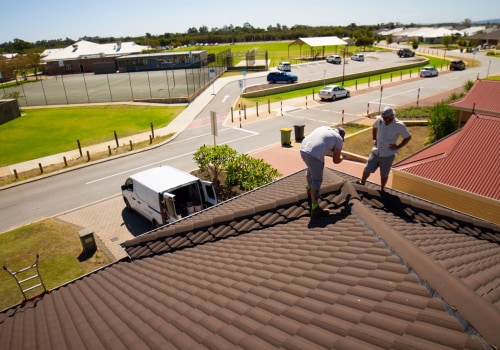
Historically, roof leak detection relied on visual inspections and simple water tests. These methods include:- Visual Inspection: This involves a thorough examination of the roof surface for visible signs of damage, such as cracked shingles, missing tiles, or worn-out flashing. Inspectors often look for water stains on ceilings and walls inside the building, which can indicate a leak.
- Water Testing: In this method, water is applied to specific areas of the roof to see if it penetrates through to the interior.
This can help pinpoint the source of a leak but may require multiple attempts to identify the exact location.
Advanced Technologies
With advancements in technology, more sophisticated methods have emerged for detecting roof leaks:- Acoustic Leak Detection: This technique uses sensitive microphones or acoustic sensors to listen for sounds associated with leaks. The sensors can differentiate between normal water flow and the distinct sounds produced by escaping water. This method is particularly effective in identifying leaks in complex roofing systems where visual inspection may not suffice.
- Thermal Imaging: Thermal cameras detect temperature variations on the roof surface. A leak often causes a change in temperature due to moisture presence, making it visible on thermal imaging.
This non-invasive method allows inspectors to quickly locate potential problem areas without causing damage.
- Moisture Meters: These handheld devices measure moisture levels within roofing materials. By assessing moisture content, inspectors can identify areas that are at risk of leaks or have already sustained damage.
Acoustic Leak Detection Technology
Acoustic leak detection technology is a sophisticated method used to identify leaks in various types of piping systems, including those found in residential and commercial buildings. This technology relies on the principle that water leaks generate distinct sound patterns, which can be detected and analysed by specialised sensors.How Acoustic Sensors Work
Acoustic sensors function by listening for the sounds produced by water escaping from pipes.
When a leak occurs, the escaping water creates vibrations and sound waves that travel through the pipe material. These sound waves can vary in frequency and intensity depending on factors such as the size of the leak and the type of material surrounding the pipe.The sensors are typically placed at strategic points along the piping system. They convert the sound waves into electrical signals, which are then processed by advanced algorithms to differentiate between normal water flow sounds and those indicative of a leak. By analysing these sound patterns, technicians can pinpoint the location of a leak with remarkable accuracy.
Advantages of Acoustic Detection
- High Sensitivity: Acoustic leak detection systems are highly sensitive and can detect even minor leaks that may not be noticeable through visual inspections or other methods.
- Non-Invasive: This technology is non-invasive, meaning it does not require any digging or disruption to the existing infrastructure, making it a less disruptive option for leak detection.
- Real-Time Monitoring: Many acoustic systems offer real-time monitoring capabilities, allowing for immediate alerts when a leak is detected.
This can significantly reduce water damage and associated costs.
- Cost-Effective: By identifying leaks early, acoustic detection can save property owners substantial amounts in repair costs and water bills over time.
- Versatility: Acoustic leak detection can be applied to various types of piping systems, including those made from metal, plastic, or concrete, making it a versatile solution for different environments.
Thermal Imaging for Leak Detection
Thermal imaging has emerged as a revolutionary technique in the realm of roof leak detection, offering a non-invasive and highly effective method for identifying moisture intrusion. This technology utilises infrared cameras to detect temperature variations on surfaces, which can indicate the presence of water beneath the roof materials.When a roof leaks, the moisture alters the temperature of the surrounding materials. Infrared cameras are designed to capture these subtle differences in temperature, allowing professionals to pinpoint areas where water may be accumulating.The process is straightforward: the camera scans the roof surface, and any anomalies in temperature are highlighted, revealing potential leak sites.
How Infrared Cameras Work
Infrared cameras operate by detecting infrared radiation emitted from objects. All objects emit some level of infrared radiation based on their temperature. When moisture is present, it cools the surrounding materials, creating a thermal signature that can be easily identified by the camera. This capability makes thermal imaging an invaluable tool for roofing professionals.Benefits of Thermal Imaging for Leak Detection
- Non-Invasive: Unlike traditional methods that may require cutting into walls or ceilings, thermal imaging is non-destructive, preserving the integrity of your property.
- Quick Results: The process is rapid; technicians can scan large areas in a short amount of time, providing immediate insights into potential issues.
- Comprehensive Analysis: Thermal imaging can cover extensive areas quickly, allowing for a thorough inspection that might reveal multiple leaks or issues that are not visible to the naked eye.
- Cost-Effective: By identifying leaks early, thermal imaging can help prevent more significant damage and costly repairs down the line.
- Documentation: The images captured can serve as valuable documentation for insurance claims or future reference, providing clear evidence of any issues detected.
Its ability to identify moisture through temperature variations not only enhances accuracy but also saves time and resources. As technology continues to evolve, incorporating thermal imaging into regular maintenance checks can lead to more proactive management of roofing systems, ultimately extending their lifespan and ensuring structural integrity.
Moisture Meters and Their Role in Leak Detection
Moisture meters play a crucial role in the realm of leak detection, particularly when it comes to identifying hidden leaks within building materials. These devices are designed to measure the moisture content in various substances, such as wood, drywall, and concrete, which can indicate the presence of water intrusion or leaks.Understanding how moisture meters work is essential for effective leak detection. Most moisture meters operate on one of two principles: resistive or capacitive measurement.Resistive moisture meters measure the electrical resistance between two electrodes inserted into the material. The principle here is simple: wet materials conduct electricity better than dry ones, so a lower resistance reading indicates higher moisture content. On the other hand, capacitive moisture meters use electromagnetic fields to detect moisture levels without direct contact with the material. This method is particularly useful for non-destructive testing, allowing for quick assessments without causing damage.
Types of Moisture Meters
- Pin-Type Moisture Meters: These devices feature two metal probes that are inserted into the material being tested.
They provide accurate readings of moisture content but can leave small holes in the material.
- Pinless Moisture Meters: Utilizing electromagnetic waves, these meters can assess moisture levels without penetrating the surface. They are ideal for larger areas and delicate materials.
- Digital Moisture Meters: Many modern moisture meters come equipped with digital displays that provide precise readings and often include features like data logging and temperature compensation.
- Hygrometers: While not strictly moisture meters, hygrometers measure humidity levels in the air, which can be an important factor in assessing potential leaks and their impact on indoor environments.
Their ability to accurately measure moisture levels not only aids in identifying existing leaks but also helps prevent future water damage by enabling timely interventions.
Smart Leak Detection Systems: The Future of Monitoring
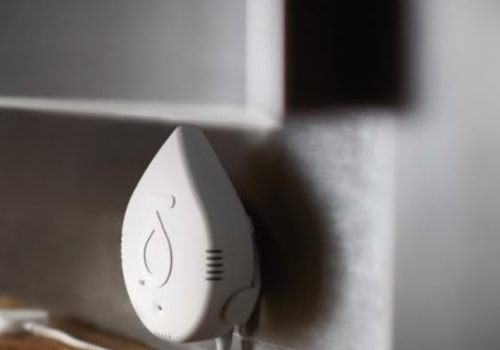
In recent years, the advent of smart leak detection systems has revolutionised the way we monitor and manage water leaks. These systems leverage the power of the Internet of Things (IoT) to provide real-time data and alerts, significantly enhancing the efficiency and effectiveness of leak detection.Unlike traditional methods that often rely on manual inspections or basic sensors, smart leak detection systems are equipped with advanced technology that allows for continuous monitoring of water flow and pressure. This capability enables them to detect anomalies that may indicate a leak almost instantaneously.Key Features of Smart Leak Detection Systems
- Real-Time Monitoring: Smart systems continuously track water usage and flow patterns, providing immediate feedback on any irregularities.
- Instant Alerts: Users receive notifications via smartphone apps or email when a potential leak is detected, allowing for prompt action to mitigate damage.
- Data Analytics: Many smart systems offer analytics features that help homeowners understand their water usage patterns, identify trends, and predict potential issues before they escalate.
- Remote Access: With IoT integration, users can monitor their water systems from anywhere in the world, providing peace of mind even when they are away from home.
Secondly, these systems contribute to environmental sustainability by promoting responsible water usage and conservation.Moreover, the integration of smart technology into leak detection aligns with the growing trend towards smart homes. As more devices become interconnected, homeowners can enjoy a seamless experience where their leak detection system works in tandem with other smart home technologies, such as security systems and energy management tools.In conclusion, the emergence of smart leak detection systems represents a significant advancement in how we approach water management. By utilising IoT technology, these systems not only enhance the accuracy and speed of leak detection but also empower homeowners with valuable insights into their water usage, ultimately leading to better decision-making and resource management.
DIY vs Professional Roof Leak Detection: What You Need to Know
When it comes to roof leak detection, homeowners often find themselves weighing the options between DIY methods and hiring professional services. Understanding the strengths and limitations of each approach is crucial for effectively addressing potential leaks.DIY Roof Leak Detection
For those who are handy and enjoy tackling home improvement projects, DIY roof leak detection can be a viable option.Here are some common methods:
- Visual Inspection: Start by examining your roof for visible signs of damage, such as missing shingles, cracked tiles, or rusted flashing. Pay close attention to areas around chimneys, vents, and skylights where leaks are more likely to occur.
- Water Test: If you suspect a leak but can’t find it visually, consider conducting a water test. Use a garden hose to simulate rain by soaking specific areas of the roof. Have someone inside the house monitor for any signs of water intrusion.
- Check Attics and Ceilings: Inspect your attic or ceilings for water stains, mould, or dampness.
These indicators can help pinpoint the source of a leak.
- Use of Moisture Meters: For a more technical approach, moisture meters can help detect hidden leaks by measuring moisture levels in materials.
Professional Leak Detection Services
In contrast, professional leak detection services offer advanced techniques and equipment that can identify leaks more accurately and efficiently. Here are some reasons to consider hiring a professional:- Expertise: Professionals have extensive training and experience in identifying leaks that may not be apparent to the untrained eye.
- Advanced Technology: Many professionals use state-of-the-art tools such as thermal imaging cameras and acoustic sensors that can detect leaks without invasive measures.
- Comprehensive Assessment: A professional service will provide a thorough evaluation of your roof’s condition, identifying not just current leaks but also potential future issues.
- Time-Saving: Hiring experts can save you time and effort, allowing you to focus on other important aspects of home maintenance.
When to Hire a Professional
If you encounter persistent leaks despite your DIY efforts or if your roof is particularly complex or large, it may be time to call in the professionals. Additionally, if you notice significant structural damage or if safety is a concern (such as working at heights), seeking professional help is advisable.Ultimately, while DIY methods can be effective for minor issues, professional services provide peace of mind and expertise that can prevent further damage and costly repairs in the long run.<strong>Preventive Measures for Roof Leaks</strong>
Preventing roof leaks is essential for maintaining the integrity of your home and avoiding costly repairs. By implementing a series of proactive measures, homeowners can significantly reduce the risk of leaks and extend the lifespan of their roofing systems.Regular Inspections
- Conducting regular inspections of your roof is crucial.
Aim to check your roof at least twice a year, ideally in spring and autumn, to identify any potential issues before they escalate.
- Look for signs of wear and tear, such as cracked or missing shingles, rusted flashing, or damaged gutters. Early detection can save you from more extensive damage later on.
Proper Maintenance
- Keep gutters and downspouts clear of debris to ensure proper water drainage. Clogged gutters can lead to water pooling on the roof, increasing the risk of leaks.
- Trim overhanging branches that could scrape against the roof or drop leaves and debris into gutters. This not only protects your roof but also reduces the likelihood of pests.
Quality Materials
- When installing or replacing a roof, choose high-quality materials that are suited to your local climate.
Investing in durable roofing materials can provide better protection against leaks.
- Consider options like metal roofing or architectural shingles that offer enhanced resistance to weather elements.
Professional Installation
- Always hire qualified professionals for roof installation or repairs. Poor workmanship can lead to vulnerabilities that may result in leaks.
- A reputable contractor will ensure that all components, including flashing and underlayment, are installed correctly to prevent water intrusion.
Weatherproofing
- Apply weatherproofing sealants around chimneys, vents, and skylights. These areas are often prone to leaks due to their complex structures.
- Consider using a waterproof membrane beneath shingles for added protection against moisture penetration.
Monitoring Systems
- Invest in a roof leak detection system that can alert you to moisture presence before it becomes a significant issue. These systems can provide peace of mind, especially if you live in an area prone to heavy rainfall.
- Smart home technology can also be integrated into your monitoring system, allowing you to receive notifications directly on your smartphone.