Water damage can be a homeowner's worst nightmare, often leading to costly repairs and significant disruption. One of the most critical areas where leaks can occur is the roof, making roof leak detection systems an essential component of property maintenance. These systems are designed to identify and locate leaks before they escalate into major issues, ensuring the integrity of your home and safeguarding your investment.Understanding how water leak detection systems work is vital for homeowners who wish to protect their properties from the detrimental effects of water intrusion. These systems employ various technologies, including sensors and monitoring devices, to detect moisture levels and changes in water flow.
By continuously monitoring these parameters, they can alert homeowners to potential leaks, allowing for prompt action to be taken. This proactive approach not only minimises damage but also reduces repair costs significantly.The importance of effective leak detection cannot be overstated. A small leak can quickly turn into a larger problem, leading to structural damage, mould growth, and even health hazards. By investing in a reliable roof leak detection system, homeowners can enjoy peace of mind knowing that their property is protected against unforeseen water damage.
Moreover, these systems contribute to energy efficiency by preventing water-related issues that could compromise insulation and heating systems.In summary, roof leak detection systems play a crucial role in maintaining the safety and longevity of your home. By understanding their functionality and significance, homeowners can take informed steps towards protecting their properties from the potentially devastating effects of water leaks.
What is a Roof Leak Detection System?
A roof leak detection system is an essential tool designed to identify and locate leaks in roofing structures before they escalate into significant problems. These systems employ various technologies to monitor the integrity of roofs, ensuring that any potential water ingress is detected promptly. By utilising advanced sensors and monitoring techniques, roof leak detection systems can provide homeowners and property managers with peace of mind, safeguarding their investments against water damage.There are several types of roof leak detection systems, each tailored to meet specific needs and environments:- Acoustic Leak Detection Systems: These systems use sensitive microphones to listen for the sounds of water escaping from pipes or roofing materials.
By analysing the acoustic signals, they can pinpoint the location of a leak with remarkable accuracy.
- Moisture Sensors: Installed directly on the roof surface or within roofing materials, these sensors detect changes in moisture levels. When moisture exceeds a predetermined threshold, an alert is triggered, indicating a potential leak.
- Thermal Imaging Systems: Using infrared technology, thermal imaging cameras can identify temperature variations on the roof surface caused by water accumulation. This method is particularly effective for flat roofs where water may pool.
- Capacitance-Based Systems: These systems measure changes in capacitance caused by the presence of water. They are often used in conjunction with other detection methods to enhance accuracy.
- Wireless Leak Detection Systems: These modern systems utilise wireless technology to transmit data from sensors to a central monitoring unit.
This allows for real-time monitoring and alerts via smartphone applications, making it easier for property owners to respond quickly to potential leaks.
How Do Roof Leak Detection Systems Work?
Roof leak detection systems are essential for maintaining the integrity of a building, as they help identify and address leaks before they escalate into significant issues. These systems employ various technologies to monitor and detect water ingress, ensuring that property owners can take timely action.One of the primary mechanisms used in roof leak detection is acoustic sensing.This technology relies on the principle that water leaks generate sound waves as they escape from pipes or roofing materials. Acoustic sensors are strategically placed on the roof or within the building's plumbing system to listen for these sounds. When a leak occurs, the sensor picks up the acoustic signals and analyses them to determine the location and severity of the leak. This method is particularly effective because it can detect even minor leaks that may not be visible to the naked eye.Another innovative technology employed in roof leak detection is smart home monitoring systems.
These devices connect to a building's existing plumbing and roofing infrastructure, providing real-time data on moisture levels and potential leaks. Smart monitors often use a combination of humidity sensors and temperature gauges to detect changes that may indicate a leak. For instance, if a sudden increase in humidity is detected in an area where it should be dry, the system can alert homeowners via a smartphone app, allowing for immediate investigation.Additionally, some advanced systems incorporate infrared thermography. This technique uses thermal imaging cameras to identify temperature variations on the roof surface, which can indicate moisture accumulation due to leaks.
By visualising these temperature differences, technicians can pinpoint areas that require further inspection or repair.Moreover, wired and wireless leak detection systems are available, offering flexibility in installation and monitoring. Wired systems typically involve sensors connected through a network, while wireless systems use radio frequency technology to transmit data to a central hub. This allows for easier installation in hard-to-reach areas without compromising the integrity of the roof.In summary, roof leak detection systems utilise a combination of acoustic sensors, smart monitoring technologies, and thermal imaging to effectively identify leaks. By employing these advanced mechanisms, property owners can safeguard their investments and prevent costly damage caused by undetected water ingress.
Types of Technologies Used in Roof Leak Detection
Roof leak detection systems utilise a variety of advanced technologies to identify and locate leaks effectively.Understanding these technologies can help homeowners and property managers choose the right system for their needs.
Acoustic Sensors
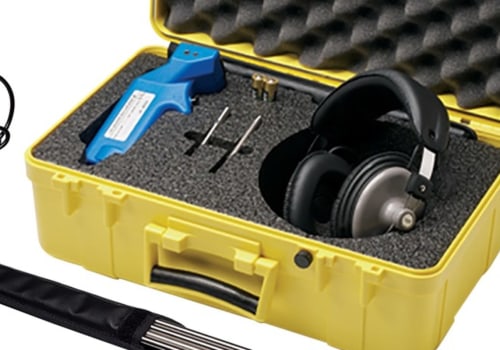
One of the most prevalent technologies in roof leak detection is acoustic sensors. These devices operate by listening for the sounds produced by water escaping from pipes or roofing materials. When a leak occurs, it generates specific sound frequencies that can be detected by these sensors. The system amplifies these sounds, allowing trained technicians to pinpoint the exact location of the leak.Acoustic leak detection is particularly effective because it can detect even minor leaks before they escalate into significant problems.By monitoring the acoustic signatures of water flow, these systems can provide real-time alerts, enabling prompt action to mitigate damage.
Ultrasonic Methods
Ultrasonic leak detection
is another innovative technology used in roof leak detection systems. This method employs high-frequency sound waves to identify leaks. Ultrasonic sensors emit sound waves that bounce off surfaces and return to the sensor. If there is a leak, the sound waves will behave differently, allowing the system to detect anomalies in the sound pattern.This technology is non-invasive and can be used in various environments, making it suitable for both residential and commercial properties.
Ultrasonic methods are particularly useful for detecting leaks in hard-to-reach areas where traditional methods may not be effective.
Smart Home Monitors
The rise of smart home technology has led to the development of smart home water monitors. These devices connect to your home’s plumbing system and continuously monitor for signs of leaks. They often feature Wi-Fi connectivity, allowing them to send alerts directly to your smartphone if moisture is detected or if unusual water flow patterns are identified.Smart monitors can also provide valuable data on water usage, helping homeowners identify potential issues before they become serious problems. Some advanced models even integrate with home automation systems, enabling automatic shut-off valves that can stop water flow within seconds of detecting a leak.In conclusion, the combination of acoustic sensors, ultrasonic methods, and smart home monitors provides a comprehensive approach to roof leak detection.By leveraging these technologies, property owners can ensure early detection and prevention of water damage, ultimately saving time and money on repairs.
Benefits of Using Roof Leak Detection Systems
Implementing a roof leak detection system offers numerous advantages that can significantly enhance the safety and longevity of your property. Here are some key benefits:- Cost Savings: Early detection of leaks can save homeowners substantial amounts of money. By identifying a leak before it escalates into a major issue, you can avoid costly repairs associated with extensive water damage, such as structural repairs, mould remediation, and replacement of damaged roofing materials.
- Damage Prevention: Roof leaks can lead to severe damage not only to the roof itself but also to the interior of your home. Water intrusion can compromise insulation, electrical systems, and even lead to the deterioration of walls and ceilings.
A roof leak detection system acts as an early warning mechanism, allowing you to address issues promptly and prevent further damage.
- Peace of Mind: Knowing that you have a reliable system in place to monitor for leaks provides homeowners with peace of mind. This is particularly important for those who travel frequently or own second homes, as it ensures that any potential issues are detected and addressed quickly, reducing the risk of returning to a damaged property.
- Increased Property Value: Homes equipped with advanced leak detection systems may have a higher market value. Prospective buyers often view these systems as valuable features that indicate proactive maintenance and care for the property.
- Environmental Benefits: By preventing leaks, you not only save on water bills but also contribute to environmental conservation. Reducing water waste is crucial in today’s world where water scarcity is becoming an increasing concern.
- Integration with Smart Home Technology: Many modern roof leak detection systems can be integrated with smart home technology, allowing homeowners to receive real-time alerts on their smartphones.
This connectivity enhances convenience and ensures that you are always informed about the status of your roof.
Common Signs of Roof Leaks and When to Act
Detecting a roof leak early is crucial for preventing extensive damage to your home. Homeowners should be vigilant and aware of the common signs that indicate a potential roof leak. Recognising these signs can save you from costly repairs and ensure the safety of your living environment.- Water Stains on Ceilings and Walls: One of the most noticeable indicators of a roof leak is the appearance of water stains on ceilings or walls.
These stains often manifest as discoloured patches, which may vary in size and shape. If you notice any such stains, it’s essential to investigate further, as they can indicate water pooling behind the surface.
- Peeling or Bubbling Paint: If the paint on your walls or ceilings begins to peel or bubble, it could be a sign of moisture accumulation due to a roof leak. This occurs when water seeps into the materials, causing them to lose their adhesion.
- Mould and Mildew Growth: The presence of mould or mildew is another significant sign of a roof leak. These fungi thrive in damp environments, and their growth can lead to health issues for you and your family.
If you detect a musty smell or see mould patches, it’s time to take action.
- Damaged Roof Shingles: Regularly inspect your roof for damaged or missing shingles. Cracked, curled, or broken shingles can allow water to penetrate your roofing system, leading to leaks.
- Increased Energy Bills: A sudden spike in your energy bills may indicate that your roof is not providing adequate insulation due to leaks. When warm air escapes through the roof, your heating system works harder, resulting in higher energy costs.
If you suspect a roof leak but cannot locate its source, this is where a leak detection system becomes invaluable.Leak detection systems are designed to identify moisture presence before it escalates into a significant problem. They can be particularly useful in hard-to-reach areas or when leaks are not immediately visible. By employing such systems, homeowners can receive alerts about potential leaks, allowing for timely intervention.In summary, being proactive about identifying the signs of roof leaks and utilising leak detection systems can significantly mitigate damage and protect your home from costly repairs.
Installation and Maintenance of Roof Leak Detection Systems
Installing a roof leak detection system is a crucial step in safeguarding your property from potential water damage. Proper installation ensures that the system functions effectively, providing timely alerts when leaks occur.Here’s a comprehensive guide on how to install these systems and maintain them for optimal performance.
Installing a Roof Leak Detection System
Before beginning the installation process, it is essential to assess your roof type and the specific requirements of your chosen leak detection system. Follow these steps for a successful installation:- Choose the Right System: Select a roof leak detection system that suits your needs. Options include acoustic sensors, moisture detection cables, and smart home integration systems.
- Identify Key Areas: Determine the most vulnerable areas of your roof where leaks are likely to occur, such as valleys, seams, and around penetrations like vents and chimneys.
- Install Sensors: Position the sensors according to the manufacturer’s guidelines. For moisture detection cables, ensure they are laid out in a grid pattern across high-risk areas.
- Connect to Power Supply: Ensure that all components are connected to a reliable power source.
If using wireless systems, check battery levels and connectivity.
- Integrate with Monitoring Systems: If applicable, connect the leak detection system to your home’s smart monitoring system for real-time alerts on your smartphone or other devices.
Maintenance Tips for Leak Detectors
Regular maintenance of your roof leak detection system is vital to ensure its longevity and reliability. Here are some essential maintenance tips:- Routine Inspections: Conduct regular inspections of the sensors and cables to check for any signs of wear or damage. Look for frayed wires or corrosion that may affect performance.
- Test Functionality: Periodically test the system by simulating a leak (e.g., pouring water near sensors) to ensure that alerts are triggered as expected.
- Clean Sensors: Keep sensors free from debris, dust, and other obstructions that could interfere with their ability to detect moisture accurately.
- Update Software: If your system includes software or firmware updates, ensure these are applied regularly to benefit from improved features and security enhancements.
- Check Power Sources: For wired systems, inspect connections and power supplies; for wireless systems, replace batteries as needed to avoid unexpected failures.
Frequently Asked Questions about Roof Leak Detection Systems
When considering a roof leak detection system, many homeowners have questions about how these systems operate and their overall effectiveness. Below are some frequently asked questions that can help clarify these concerns.What is a roof leak detection system?
A roof leak detection system is a specialized technology designed to identify and locate leaks in roofing structures.These systems use various methods, including moisture sensors and acoustic detection, to monitor the integrity of the roof and alert homeowners to potential issues before they escalate into significant damage.
How does a roof leak detection system work?
Most roof leak detection systems operate by employing sensors that detect moisture levels or changes in temperature. When moisture is detected, the system sends an alert to the homeowner, often via a smartphone app or a central monitoring unit. Some advanced systems also use acoustic sensors that listen for the sound of water escaping from pipes or pooling on the roof.Are roof leak detection systems easy to install?
Installation can vary depending on the type of system chosen. Many modern systems are designed for easy installation and can be set up without professional assistance.However, for more complex systems, especially those integrated with existing home automation setups, it may be advisable to consult with a professional installer.
What are the benefits of using a roof leak detection system?
- Early Detection: These systems provide early warnings about leaks, allowing homeowners to address issues before they lead to extensive damage.
- Cost Savings: By preventing water damage, homeowners can save significantly on repair costs associated with leaks.
- Peace of Mind: Knowing that your home is monitored for leaks can provide reassurance, especially during heavy rainfall or storms.
Can I integrate a roof leak detection system with my smart home?
Yes, many modern roof leak detection systems are designed to integrate seamlessly with smart home technology. This allows homeowners to receive alerts on their smartphones and even automate responses, such as shutting off water supply in case of a detected leak.How often should I test my roof leak detection system?
It is recommended to test your roof leak detection system at least once every six months. Regular testing ensures that all components are functioning correctly and that you will receive timely alerts in case of an actual leak.By understanding these common questions about roof leak detection, homeowners can make informed decisions about protecting their properties from water damage.Conclusion: The Importance of Roof Leak Detection Systems in Home Maintenance
In conclusion, the significance of roof leak detection systems cannot be overstated when it comes to maintaining the integrity of a home. These systems serve as a crucial line of defence against the potentially devastating effects of water damage, which can lead to costly repairs and health hazards due to mould and mildew growth.By implementing a reliable roof leak detection system, homeowners can:- Identify leaks early: Early detection is key in preventing extensive damage.
Modern systems utilise advanced technology to monitor for signs of leaks, allowing for prompt action before the situation escalates.
- Reduce repair costs: Addressing leaks at their inception can save homeowners significant amounts of money. The cost of repairing water damage often far exceeds the investment in a leak detection system.
- Enhance property value: A well-maintained roof is a major selling point for any property. By ensuring that your roof is protected with a leak detection system, you not only safeguard your home but also enhance its marketability.
- Improve safety: Water leaks can compromise the structural integrity of a home and pose serious safety risks. By detecting leaks early, homeowners can mitigate these risks and ensure a safe living environment.
With features such as smartphone notifications and automated shut-off valves, modern leak detection systems empower homeowners to take control of their property’s maintenance.Ultimately, investing in a roof leak detection system is not merely about protecting your home; it is about preserving your peace of mind. As water damage can lead to long-term issues that affect both health and finances, proactive measures are essential. By prioritising roof leak detection, homeowners can ensure their properties remain safe, secure, and well-maintained for years to come.