Roof leaks are a common yet often underestimated issue that can lead to significant damage if not addressed promptly. They can occur for various reasons, ranging from natural wear and tear to severe weather conditions. Understanding the causes of roof leaks is crucial for homeowners, as it allows them to take proactive measures to protect their property. Common culprits include damaged shingles, improper installation, clogged gutters, and deteriorating flashing around chimneys and vents.
Each of these factors can compromise the integrity of your roof, leading to water infiltration and potential structural damage.The importance of roof leak detection cannot be overstated. Early identification of leaks can save homeowners from costly repairs and extensive damage. Water intrusion can lead to mould growth, wood rot, and even compromise the electrical systems within your home. Therefore, being vigilant about the signs of a leak is essential.
Homeowners should regularly inspect their roofs, especially after severe weather events, to catch any potential issues before they escalate.Moreover, understanding how roofers check for leaks is vital for anyone looking to maintain their home effectively. Professional roofers employ a variety of techniques and tools to identify leaks accurately. This knowledge not only empowers homeowners but also helps them communicate effectively with roofing professionals when seeking assistance. By grasping the fundamentals of roof leak detection, you can ensure that your home remains safe and dry for years to come.
Common Signs of Roof Leaks
Identifying a roof leak early can save homeowners significant time and money in repairs.There are several common signs of roof leaks that you should be vigilant about. Recognising these symptoms can help you take prompt action before the damage escalates.
- Water Stains on Ceilings and Walls: One of the most noticeable indicators of a roof leak is the appearance of water stains on your ceilings or walls. These stains often manifest as discoloured patches, which may vary in size and shape. If you notice these stains, it’s crucial to investigate further, as they can indicate water pooling above.
- Mould and Mildew Growth: The presence of mould or mildew is another telltale sign of moisture intrusion.
If you detect a musty smell or see dark spots forming in corners or around vents, it could mean that water is seeping through your roof. Mould not only damages your home but can also pose health risks.
- Peeling Paint or Wallpaper: If the paint or wallpaper in your home is peeling, bubbling, or cracking, it may be due to excess moisture from a roof leak. This symptom often accompanies water stains and should not be ignored.
- Damaged Flashing: Flashing is the material used to direct water away from critical areas of your roof, such as chimneys and vents. If you notice rusted, cracked, or missing flashing, it could lead to leaks.
Regularly inspecting these areas can help prevent future issues.
- Visible Holes or Cracks: Inspect your roof for any visible holes or cracks, especially after severe weather events. Even small openings can allow water to penetrate and cause significant damage over time.
- Pooling Water: After heavy rain, check for any areas where water tends to pool on your roof. Stagnant water can lead to leaks and should be addressed promptly by a professional roofer.
Consider contacting a professional roofing contractor who can conduct a thorough inspection and provide the necessary repairs to safeguard your home.
Initial Inspection: Inside Your Home
When it comes to roof leak detection, the initial inspection inside your home is a crucial step that can save you time and money. Homeowners should begin by examining areas where leaks are most likely to occur, particularly in the attic and on ceilings.Attic Inspection for Leaks
The attic is often the first place to check for signs of a roof leak. If you have access, take a flashlight and look for any visible signs of water damage. Here are some key indicators to look for:
- Water Stains: Look for discoloured patches on the ceiling or walls, which may indicate water intrusion.
- Mold Growth: The presence of mold or mildew can signal prolonged moisture exposure, often linked to leaks.
- Black Marks: These can be a sign of water pooling or running down surfaces, indicating a potential leak source.
- Wet Insulation: If your insulation feels damp or has lost its shape, it may be absorbing water from a leak.
This will help your roofer pinpoint the source of the leak more efficiently.
Checking Ceilings for Water Damage
Next, turn your attention to the ceilings throughout your home. Water stains on ceilings can often lead you back to the source of a leak. Here’s how to conduct an effective inspection:
- Look for Discoloration: Check for yellow or brown stains that may indicate water damage.
- Feel for Dampness: Gently touch the ceiling; if it feels moist, this could be a sign of a leak.
- Inspect Light Fixtures: Water can accumulate around light fixtures, so ensure there are no signs of moisture in these areas.
External Inspection: The Roofer's Approach
When it comes to roof leak detection, a thorough external inspection is crucial for professional roofers.This process involves a systematic approach to identify potential sources of leaks and assess the overall condition of the roof.Initially, roofers will conduct a visual examination from the ground, using binoculars if necessary, to spot any obvious signs of damage. They look for:
- Missing or damaged shingles: Shingles that are cracked, curled, or completely missing can expose the underlying layers to water intrusion.
- Flashing issues: Flashing around chimneys, vents, and skylights is a common weak point. Roofers check for rust, gaps, or improper installation that could allow water to seep in.
- Ponding water: Areas where water tends to collect can indicate drainage issues and may lead to leaks if not addressed.
- Debris accumulation: Leaves, branches, and other debris can trap moisture against the roof surface, leading to deterioration over time.
During this phase, they will:
- Inspect roof penetrations: Roofers pay close attention to areas where pipes, vents, and other structures penetrate the roof. These are often prime locations for leaks due to improper sealing.
- Check seams and joints: The seams where different roofing materials meet are scrutinised for signs of wear or separation that could lead to leaks.
- Evaluate the condition of gutters and downspouts: Clogged or damaged gutters can cause water to back up onto the roof, increasing the risk of leaks.
Tools and Techniques Used in Roof Leak Detection
Detecting roof leaks requires a combination of experience, skill, and the right tools.Roofers employ a variety of roof leak detection tools and techniques to identify the source of leaks accurately and efficiently. Understanding these methods can provide homeowners with insight into how professionals approach this common issue.
Traditional Tools for Leak Detection
Many roofers still rely on traditional tools that have proven effective over the years. Some of these include:- Flashlights: A simple yet essential tool, flashlights help roofers inspect dark areas, such as attics or under eaves, where leaks may be hidden.
- Ladders: Essential for accessing different parts of the roof safely, ladders allow roofers to examine potential leak sources up close.
- Moisture Meters: These devices measure the moisture content in roofing materials, helping to identify areas that may be retaining water and are at risk of leaking.
Modern Technologies in Leak Detection
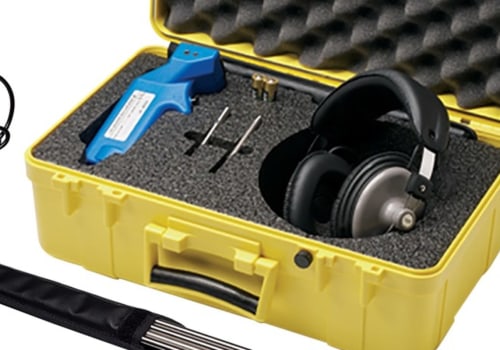
In addition to traditional tools, advancements in technology have introduced new methods for detecting roof leaks:- Infrared Cameras: These cameras detect temperature variations on the roof surface, indicating areas where moisture may be present. This non-invasive method allows roofers to pinpoint leaks without causing damage.
- Aerial Drones: Drones equipped with high-resolution cameras can survey roofs from above, providing a comprehensive view of the roofing system and identifying potential problem areas without the need for scaffolding or ladders.
- Electronic Leak Detection Systems: These systems use electrical currents to identify leaks in flat roofs.
By applying a low-voltage current across the roofing membrane, roofers can detect breaks or punctures that may not be visible to the naked eye.
Techniques for Finding Roof Leaks
The techniques employed by roofers often depend on the type of roofing system and the specific circumstances surrounding the leak. Common methods include:- Visual Inspection: Roofers conduct thorough visual inspections of both the interior and exterior of the property, looking for signs of water damage, such as stains or mould.
- Water Testing: In some cases, roofers may perform a controlled water test by spraying water on specific areas of the roof to see if leaks appear inside. This method helps isolate problem areas effectively.
- Thermal Imaging: Using thermal imaging technology, roofers can detect temperature differences that indicate moisture accumulation beneath roofing materials.
Common Areas Roofers Check for Leaks
When it comes to roof leak detection, understanding the common areas that are prone to leaks is crucial for effective inspections. Roofers typically focus on several key locations where leaks are most likely to occur.Here are some of the primary areas they examine:
- Chimneys: The area around chimneys is a frequent source of leaks. Roofers will check the flashing, which is the material used to seal the junction between the chimney and the roof. If the flashing is damaged or improperly installed, water can easily seep in.
- Vents: Roof vents, including those for plumbing and exhaust, can also be weak points. Roofers inspect the seals around these vents to ensure they are intact and not allowing moisture to enter.
- Skylights: Skylights add natural light to a home but can be problematic if not properly sealed.
Roofers will look for signs of wear or damage around the edges of skylights, as well as any cracks in the glass itself.
- Seams and Joints: The seams where different roofing materials meet are often susceptible to leaks. Roofers will carefully examine these joints for any signs of separation or deterioration that could lead to water ingress.
- Roof Valleys: Valleys are areas where two slopes meet, creating a channel for water runoff. If debris accumulates in these valleys or if the flashing is compromised, it can lead to significant leaks.
- Roof Edges: The edges of the roof, particularly where it meets walls or other structures, are critical points for leak detection. Roofers will check for any gaps or damage that could allow water to penetrate.
This includes checking for missing or damaged shingles, which can expose underlying materials to moisture. Regular inspections of these vulnerable spots can help homeowners catch potential issues before they escalate into major problems.By being aware of these common leak locations, homeowners can better understand what their roofers are looking for during inspections and take proactive measures to maintain their roofs effectively.
The Role of Weather in Leak Detection
Weather plays a crucial role in the process of roof leak detection, influencing both the visibility of leaks and the effectiveness of inspections. Understanding how different weather conditions affect leak detection can significantly enhance the chances of identifying and addressing issues promptly.One of the most effective times to inspect for roof leaks is during or immediately after rainfall. When it rains, water flows over the roof's surface, pooling in areas where there may be damage or deterioration.This makes it easier to spot leaks, as water will often seep through compromised areas, revealing their location. Roofers often recommend conducting inspections on rainy days, as the presence of water can highlight problem spots that might otherwise go unnoticed.However, while rainy day inspections can be beneficial, they also come with challenges. For instance, heavy rain can obscure visibility and make it difficult to assess the roof's condition accurately. Additionally, safety becomes a concern; wet surfaces can be slippery, increasing the risk of falls.
Therefore, it is essential for roofers to take necessary precautions when inspecting roofs in adverse weather conditions.Seasonal considerations also play a significant role in roof leak detection. For example, during winter months, snow accumulation can mask underlying issues. Ice dams may form at the edges of roofs, preventing proper drainage and leading to leaks as melting snow seeps under shingles. In contrast, summer storms can bring high winds that may dislodge roofing materials or create new vulnerabilities.In spring and autumn, fluctuating temperatures can cause materials to expand and contract, potentially leading to cracks or gaps that allow water ingress.
Therefore, regular inspections during these transitional seasons are vital for maintaining roof integrity.In summary, understanding the impact of weather on roof leak detection is essential for effective maintenance and repair strategies. By timing inspections according to weather patterns and being aware of seasonal changes, homeowners and roofers alike can better identify potential leaks before they escalate into more significant problems.
When to Call a Professional Roofer
Determining when to call a professional roofer for roof leak detection can be crucial in preventing further damage to your home. While some minor leaks may seem manageable, there are specific situations where the expertise of a professional is not just beneficial but necessary.Signs You Should Call a Professional Roofer
- Persistent Water Stains: If you notice water stains on your ceiling or walls that persist despite your attempts to address them, it’s time to consult a professional. These stains can indicate ongoing leaks that require expert investigation.
- Visible Damage: If you see missing shingles, cracked tiles, or any visible damage on your roof, it’s essential to have a roofer assess the situation.
Such damage can lead to more significant issues if not addressed promptly.
- Increased Energy Bills: Unexplained spikes in your energy bills may suggest that your roof is not providing adequate insulation due to leaks or other issues. A professional can evaluate the roof's integrity and recommend necessary repairs.
- Age of the Roof: If your roof is nearing the end of its expected lifespan (typically 20-25 years for asphalt shingles), it’s wise to have it inspected regularly by a professional, even if you don’t see any immediate signs of leaks.
- Severe Weather Events: After heavy storms or high winds, it’s advisable to have your roof inspected by a professional. They can identify hidden damage that may not be immediately visible but could lead to leaks later on.
The Benefits of Hiring Professional Roofing Services
Engaging a professional roofer for leak detection and repair offers numerous advantages:
- Expertise and Experience: Professional roofers possess the training and experience necessary to identify and address leaks effectively. They understand the common causes of leaks and know how to fix them efficiently.
- Advanced Tools and Techniques: Professionals have access to specialised tools and technology that allow for thorough inspections and precise repairs.
This equipment can often detect issues that are not visible to the untrained eye.
- Long-Term Solutions: A qualified roofer will not only fix the immediate problem but also provide solutions that prevent future leaks. This proactive approach can save homeowners money in the long run.
- Safety Considerations: Roofing work can be dangerous, especially for those without experience. Professionals are trained in safety protocols and have the necessary equipment to work safely at heights.
Preventative Measures to Avoid Roof Leaks
Preventing roof leaks is essential for maintaining the integrity of your home and avoiding costly repairs.Regular maintenance and inspections can significantly reduce the risk of leaks developing over time. Here are some practical tips to help you protect your roof from leaks:
- Conduct Regular Inspections: Schedule routine inspections of your roof at least twice a year, ideally in spring and autumn. Look for signs of wear and tear, such as cracked or missing shingles, damaged flashing, or debris accumulation.
- Clear Debris: Remove leaves, branches, and other debris from your roof and gutters. Clogged gutters can lead to water pooling on the roof, increasing the risk of leaks.
- Check Flashing: Inspect the flashing around chimneys, vents, and skylights.
Ensure that it is securely attached and free from rust or damage. If you notice any issues, consider resealing or replacing the flashing.
- Maintain Gutters: Keep gutters clean and in good condition to ensure proper water drainage. Consider installing gutter guards to prevent debris buildup.
- Inspect Attic Ventilation: Proper ventilation in your attic helps prevent moisture buildup, which can lead to leaks. Ensure that vents are not blocked and that air can circulate freely.
- Address Overhanging Trees: Trim back any overhanging branches that could potentially damage your roof during storms or high winds.
This also helps reduce debris accumulation on your roof.
- Use Quality Materials: When replacing or repairing your roof, opt for high-quality materials that are designed to withstand the elements. Investing in durable roofing products can save you money in the long run.
Conclusion: Ensuring a Leak-Free Roof
In conclusion, maintaining a leak-free roof is essential for the overall health of your home. Regular inspections and prompt action can save you from costly repairs and extensive damage.As we have discussed, roof leak detection involves a thorough examination of both the interior and exterior of your property. By being proactive, you can identify potential issues before they escalate.It is crucial to understand that roof leaks can originate from various sources, including:
- Flashing Issues: Improperly installed or damaged flashing around chimneys, vents, and skylights can lead to significant leaks.
- Shingle Damage: Missing, cracked, or curled shingles are common culprits that can allow water to penetrate your roof.
- Poor Ventilation: Inadequate ventilation can cause condensation build-up, leading to moisture problems that mimic leaks.
- Clogged Gutters: When gutters are blocked, water can overflow and seep under shingles or into the roof structure.
- Conducting visual inspections at least twice a year, ideally in spring and autumn.
- Clearing debris from gutters and downspouts to prevent water accumulation.
- Checking for signs of wear and tear on shingles and flashing after severe weather events.
- Engaging a professional roofer for a comprehensive inspection every few years.
Remember that while DIY methods may provide temporary relief, consulting with a qualified roofing professional is the best way to ensure a long-lasting solution.Ultimately, investing time and resources into regular roof maintenance will not only protect your home but also enhance its value. A well-maintained roof is a key component of a safe and comfortable living environment.