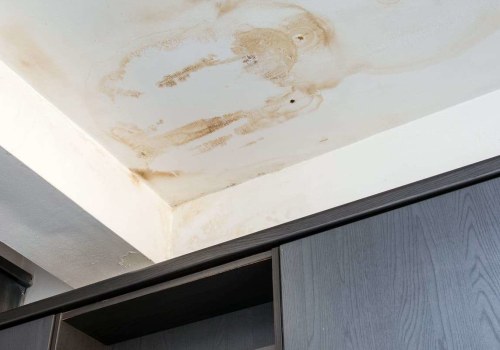
Roof leak detection is a critical aspect of home maintenance that often goes overlooked until significant damage occurs. A roof leak can lead to a cascade of problems, including structural damage, mould growth, and increased energy costs. Understanding the importance of early detection cannot be overstated; it not only protects your investment but also ensures the safety and comfort of your living environment. With the right tools and knowledge, homeowners can identify potential leaks before they escalate into costly repairs.When considering water leak detectors , it’s essential to grasp the various factors that influence their cost.
Prices can vary widely based on the type of detector, its features, and the technology it employs. Basic models may be relatively inexpensive, while advanced systems that integrate with smart home technology or offer additional functionalities can command a higher price. Furthermore, installation costs may also play a role in the overall expense, especially if professional assistance is required.Investing in a reliable roof leak detection system is not merely about purchasing a device; it’s about safeguarding your home from potential disasters. The peace of mind that comes with knowing you have an effective monitoring system in place is invaluable.
As we delve deeper into the specifics of roof leak detection costs, we will explore various options available on the market, their features, and how they can fit into your budget while providing essential protection against water damage.
What is Roof Leak Detection?
Roof leak detection is a critical process for homeowners, as it helps identify and address potential water intrusion issues before they escalate into significant damage. A roof leak can lead to various problems, including structural damage, mould growth, and increased energy costs. Therefore, understanding the methods available for detecting leaks is essential for maintaining the integrity of your home.There are several methods employed in roof leak detection , each with its own advantages and limitations. Here are some of the most common techniques:- Visual Inspections: This is often the first step in identifying a roof leak.
Homeowners or professionals will examine the roof for visible signs of damage, such as missing shingles, cracks, or sagging areas. While this method can be effective for spotting obvious issues, it may not reveal hidden leaks that are not immediately visible.
- Moisture Meters: These devices measure the moisture content in roofing materials and underlying structures. By using a moisture meter, professionals can pinpoint areas where water has infiltrated, even if there are no visible signs of a leak. This method is particularly useful for detecting leaks in flat roofs or areas with complex designs.
- Thermal Imaging: One of the most advanced techniques for roof leak detection involves the use of thermal imaging cameras.
These devices detect temperature variations on the roof surface, which can indicate moisture accumulation. When water seeps into roofing materials, it often changes their thermal properties, making thermal imaging an effective tool for identifying hidden leaks.
- Infrared Scanning: Similar to thermal imaging, infrared scanning uses infrared technology to detect temperature differences caused by moisture intrusion. This method is non-invasive and can cover large areas quickly, making it ideal for commercial buildings or extensive residential properties.
- Water Testing: In some cases, professionals may conduct water tests to simulate rainfall and observe how water interacts with the roofing system. This method can help identify leaks that may not be apparent during a visual inspection.
Homeowners should consider their specific needs and consult with professionals to determine the best approach for their situation. By proactively addressing potential leaks through these detection methods, homeowners can save themselves from costly repairs and ensure their roofs remain in good condition.
Factors Influencing the Cost of Water Leak Detectors
When considering the purchase of a water leak detector, it is essential to understand the various factors that can influence its cost. Prices can vary widely based on several components, including brand reputation, technology employed, installation complexity, and additional features.Brand Reputation
The brand of the water leak detector plays a significant role in determining its price. Established brands with a history of reliability and customer satisfaction often command higher prices due to their proven track record.
Consumers may be willing to pay a premium for products from well-known manufacturers, as they typically offer better customer support and warranty options.
Technology Used
The technology integrated into the leak detection system can also affect the overall cost. Basic models may use simple moisture sensors that alert users when water is detected. In contrast, more advanced systems incorporate smart technology, such as Wi-Fi connectivity, smartphone alerts, and integration with home automation systems. These sophisticated features not only enhance functionality but also contribute to a higher price point.
Installation Complexity
The complexity of installation is another critical factor influencing costs.
Some water leak detectors are designed for easy DIY installation, which can save homeowners money on professional services. However, more complex systems may require professional installation, particularly those that involve plumbing modifications or integration with existing home systems. This added labour can significantly increase the total cost of ownership.
Additional Features
- Smart Home Integration: Detectors that can connect with smart home systems often come at a premium but provide enhanced convenience and control.
- Battery Life: Models with longer battery life or rechargeable options may have higher upfront costs but can save money in the long run.
- Alerts and Notifications: Systems that offer real-time alerts via mobile apps or SMS tend to be more expensive due to their advanced technology.
- Humidity Sensors: Some detectors include humidity sensors that help monitor moisture levels in addition to detecting leaks, adding to their overall value.
Average Costs of Water Leak Detectors
When considering the purchase of a water leak detector, understanding the average costs associated with different types of devices is crucial for homeowners.The price of these detectors can vary significantly based on their features, technology, and brand.Generally, the cost of basic water leak detectors ranges from £20 to £50. These entry-level models typically offer essential leak detection capabilities, such as moisture sensors that alert you when water is detected. They are ideal for homeowners looking for a straightforward solution without breaking the bank.On the other hand, more advanced systems can range from £100 to £300 or more. These sophisticated detectors often come equipped with additional features such as:
- Smart technology: Integration with home automation systems and smartphone apps for real-time alerts.
- Multiple sensors: The ability to connect several sensors throughout your home for comprehensive coverage.
- Humidity monitoring: Some models can also track humidity levels, providing insights into potential mould growth.
- Automatic shut-off valves: Advanced systems may include features that automatically shut off the water supply in case of a detected leak.
For instance, if you opt for a system that requires professional installation, this could add an additional £50 to £150 to your overall expenses.Moreover, think about the long-term savings that a quality leak detection system can provide. By preventing water damage and reducing the risk of costly repairs, investing in a reliable detector can be financially beneficial in the long run. Therefore, while it may be tempting to choose the cheapest option available, consider how much you value peace of mind and protection against potential water damage.In summary, while basic models are affordable and suitable for many homeowners, investing in a more advanced system may offer greater protection and convenience. Assess your specific needs and budget carefully to make an informed decision that best suits your home.
DIY vs Professional Installation: Cost Implications
When considering the installation of a water leak detector, one of the primary decisions homeowners face is whether to undertake a DIY installation or hire a professional.Each option comes with its own set of costs, benefits, and potential drawbacks that can significantly impact your overall experience and effectiveness of the leak detection system.
DIY Installation
- Cost Savings: One of the most appealing aspects of DIY installation is the potential for cost savings. By opting to install the system yourself, you can avoid labour costs that professionals typically charge, which can range from £50 to £100 per hour depending on the complexity of the job.
- Accessibility: Many modern water leak detectors are designed for easy installation, often requiring just a few basic tools and minimal technical knowledge. This accessibility allows homeowners to set up their systems quickly and efficiently.
- Learning Opportunity: Installing the system yourself can provide valuable insights into your home’s plumbing and electrical systems, empowering you with knowledge that may be beneficial for future maintenance or repairs.
Risks of DIY Installation
- Potential for Errors: Without professional experience, there is a risk of improper installation, which could lead to ineffective leak detection or even false alarms. This could result in costly damages if a leak goes undetected.
- Lack of Warranty: Some manufacturers may void warranties if the product is not installed by a certified professional.
This could leave you unprotected should any issues arise with the device.
Professional Installation
- Expertise: Hiring a professional ensures that the installation is performed correctly and efficiently. Professionals have the training and experience to handle any complications that may arise during installation.
- Comprehensive Assessment: A professional can assess your home’s specific needs and recommend the best placement for sensors, ensuring optimal performance of your leak detection system.
- Warranty Protection: Many professionals offer warranties on their work, providing peace of mind that if something goes wrong, it will be addressed without additional costs.
Cost Comparison
The cost of professional installation can vary widely based on location and complexity but typically ranges from £100 to £300. In contrast, DIY installation might only require an initial investment in the equipment itself, which can start as low as £30 for basic models. However, it’s essential to weigh these costs against the potential risks associated with improper installation.Ultimately, whether you choose DIY or professional installation will depend on your comfort level with home improvement tasks and your budget.
Assessing both options carefully will help ensure that you make an informed decision that best protects your home from water damage.
Long-term Savings from Leak Detection Systems
Investing in a water leak detection system is not merely a precaution; it is a strategic decision that can yield significant long-term savings. By identifying leaks early, homeowners can avoid the extensive costs associated with water damage repairs, which can escalate quickly if left unchecked.One of the primary benefits of leak detection systems is their ability to prevent costly repairs. Water damage can compromise structural integrity, lead to mould growth, and necessitate expensive renovations. For instance, a small leak in a roof can result in thousands of pounds in repairs if it causes damage to insulation, ceilings, or walls.By installing a leak detection system, homeowners can receive immediate alerts about potential issues, allowing them to address problems before they escalate.Moreover, many insurance companies offer incentives for homeowners who invest in leak detection systems. These systems can lower the risk of significant claims related to water damage, making policyholders more attractive to insurers. As a result, homeowners may find that their premiums decrease after installing such systems. It is advisable to consult with your insurance provider to understand any potential discounts or benefits associated with proactive leak detection.In addition to insurance implications, conducting a cost-benefit analysis reveals that the initial investment in a leak detection system often pays for itself over time.
Consider the average cost of repairing water damage versus the price of installing a reliable detection system. The latter typically ranges from £100 to £500, depending on the complexity and features of the system. In contrast, even minor water damage repairs can easily exceed £1,000.Furthermore, many modern leak detection systems come equipped with advanced features such as humidity sensors and automatic shut-off valves. These enhancements not only provide peace of mind but also contribute to long-term savings by reducing water waste and preventing further damage.In conclusion, investing in a water leak detection system is a wise choice for homeowners looking to safeguard their property and finances.
The potential for significant savings on repairs and insurance premiums makes it an essential component of proactive home maintenance.
Top Brands and Their Pricing Structures
When it comes to water leak detectors, several brands stand out in the market, each offering unique features and pricing structures that cater to different needs. Understanding these brands can help consumers make informed decisions based on their specific requirements.1.D-Link
- Price Range: £50 - £100
- Features: D-Link offers a reliable water leak detector that integrates seamlessly with smart home systems. It provides real-time alerts via a mobile app, although some users have noted delays in notifications when sensors lose power.
2.Govee
- Price Range: £30 - £80
- Features: Govee's systems are expandable, allowing users to add multiple sensors for comprehensive coverage. Their devices feature advanced algorithms that detect leaks based on water pressure, making them suitable for various locations in the home.
3.Resideo
- Price Range: £40 - £90
- Features: Resideo's leak detector is known for its reliability but lacks an automatic shut-off valve, which can complicate emergency situations.
It is recommended to purchase through licensed plumbers for optimal installation.
4.Flo by Moen
- Price Range: £150 - £300
- Features: This brand offers a premium solution with automatic water shut-off capabilities, making it ideal for those who want a hands-off approach to leak management. The device also monitors water usage and provides insights into potential leaks.
5.Kangaroo
- Price Range: £20 - £60
- Features: Despite its lower price point, Kangaroo includes both humidity and temperature sensors alongside water detection capabilities. However, it lacks an audible alarm, relying solely on mobile notifications.
Ultimately, consumers should assess their specific needs and budget when selecting a water leak detector.
Frequently Asked Questions about Water Leak Detectors
Water leak detectors are essential devices for safeguarding your home from potential water damage. However, many homeowners have questions regarding their functionality, maintenance, and troubleshooting. Below are some frequently asked questions that can help clarify these concerns.How effective are water leak detectors?
Water leak detectors are designed to identify moisture and alert homeowners to potential leaks before they escalate into significant issues. Most modern detectors use advanced sensors that can detect even minor changes in humidity or the presence of water.When strategically placed in areas prone to leaks, such as near washing machines, under sinks, or around water heaters, these devices can significantly reduce the risk of water damage.
What maintenance do water leak detectors require?
Maintaining your water leak detector is relatively straightforward. Here are some key maintenance tips:- Regular Testing: Test your detector monthly to ensure it is functioning correctly. Most devices have a test button that simulates a leak.
- Battery Replacement: If your detector is battery-operated, replace the batteries at least once a year or when you receive a low battery alert.
- Cleaning: Dust and debris can affect sensor performance. Wipe the device with a soft cloth periodically to keep it clean.
- Check Placement: Ensure that the detector remains in an optimal location and is not obstructed by furniture or other items.
What should I do if my water leak detector goes off?
If your detector alerts you to a potential leak, follow these steps:- Investigate: Check the area around the detector for any visible signs of water or leaks.
- Shut Off Water Supply: If you confirm a leak, turn off the main water supply to prevent further damage.
- Contact a Professional: If you cannot locate the source of the leak or if it requires repairs beyond your expertise, contact a licensed plumber for assistance.
Can I mute my water leak detector?
Many modern water leak detectors come with features that allow you to mute alerts temporarily.This can be useful if you accidentally trigger the device while cleaning or performing maintenance. However, be cautious when muting alerts; ensure that you remain vigilant about potential leaks in your home.By understanding these common questions and their answers, homeowners can make informed decisions about their water leak detection systems and ensure their homes remain safe from water damage.
Conclusion: Making an Informed Decision on Roof Leak Detection Costs
In conclusion, understanding the costs associated with roof leak detection systems is crucial for homeowners looking to protect their properties from water damage. Throughout this article, we have explored various factors that influence the pricing of these systems, including the type of technology used, installation costs, and ongoing maintenance expenses.When considering a roof leak detection system, it is essential to evaluate the different options available in the market. From basic sensors that alert you to moisture presence to advanced systems that integrate with smart home technology, the range of products can vary significantly in price and functionality.Homeowners should weigh the benefits of each system against their specific needs and budget.Moreover, it is important to factor in potential additional costs. For instance, if your chosen system requires professional installation or if you need supplementary equipment for effective monitoring, these expenses can add up quickly. Therefore, obtaining quotes from multiple service providers can help you make a more informed decision.Additionally, consider the long-term savings that a reliable roof leak detection system can provide. By investing in quality technology now, you may prevent costly repairs and extensive damage in the future.
This proactive approach not only safeguards your home but also enhances its overall value.Ultimately, making an informed decision about roof leak detection costs involves careful consideration of your options and a clear understanding of what each system offers. By doing thorough research and evaluating your specific requirements, you can select a solution that not only fits your budget but also provides peace of mind against potential water damage.