Roof leaks are a common yet often underestimated issue that can lead to significant damage if not addressed promptly. These leaks can arise from various sources, including wear and tear, poor installation, or severe weather conditions. Understanding the causes of roof leaks is essential for homeowners and property managers alike, as it allows for proactive measures to be taken before minor issues escalate into costly repairs.One of the primary causes of roof leaks is the deterioration of roofing materials over time. Factors such as UV exposure, heavy rainfall, and temperature fluctuations can weaken shingles or tiles, creating vulnerabilities.
Additionally, improper installation or maintenance can lead to gaps and cracks that allow water to infiltrate. Regular inspections and maintenance are crucial in identifying these potential problems early on, ensuring that your roof remains in optimal condition.The importance of roof maintenance cannot be overstated. A well-maintained roof not only protects your home from the elements but also enhances its overall value. Neglecting routine checks can result in hidden leaks that compromise structural integrity and lead to mould growth, which poses health risks to occupants.
Furthermore, addressing roof issues promptly can save homeowners significant amounts of money in the long run by preventing extensive damage and the need for complete roof replacements.In summary, understanding roof leaks and their causes is vital for effective maintenance. By prioritising regular inspections and timely repairs, homeowners can safeguard their properties against the detrimental effects of water intrusion, making leak detection an essential aspect of responsible homeownership.
The Consequences of Undetected Roof Leaks
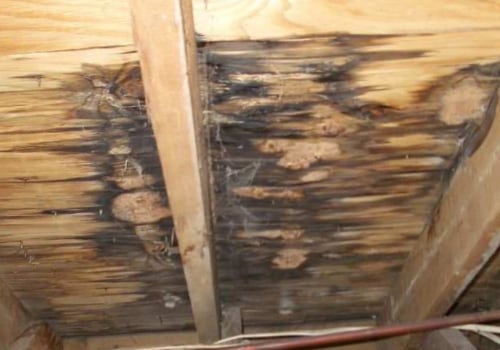
Undetected roof leaks can lead to a myriad of serious consequences that extend far beyond mere water damage. The implications of ignoring a small leak can escalate quickly, resulting in significant structural issues and costly repairs.One of the most immediate concerns with a roof leak is the potential for structural damage. Water infiltrating the roofing system can compromise the integrity of beams, rafters, and other critical components.Over time, this moisture can weaken these structures, leading to sagging ceilings or even partial collapses in severe cases. The cost of repairing or replacing these structural elements can be astronomical, often running into thousands of pounds.Moreover, persistent moisture creates an ideal environment for mould growth. Mould not only poses health risks to occupants but also contributes to further deterioration of building materials. Once mould takes hold, it can spread rapidly, necessitating extensive remediation efforts that are both time-consuming and expensive.
In some instances, entire sections of a building may need to be removed and replaced to eliminate the mould completely.In addition to structural and health concerns, undetected roof leaks can lead to increased energy costs. When insulation becomes wet, its effectiveness diminishes significantly. This inefficiency forces heating and cooling systems to work harder to maintain comfortable indoor temperatures, resulting in higher utility bills.Furthermore, the longer a leak goes undetected, the more extensive the damage becomes. What might start as a minor issue could evolve into a major renovation project if left unaddressed.
Homeowners may find themselves facing not only repair costs but also potential loss of property value due to visible signs of neglect.In summary, the consequences of undetected roof leaks are profound and multifaceted. From structural damage and mould growth to increased energy costs and diminished property value, the need for proactive roof leak detection cannot be overstated. Investing in regular inspections and timely repairs is essential for safeguarding your home against these potentially devastating outcomes.
How Roof Leak Detection Works
Effective roof leak detection is crucial for maintaining the integrity of a building, and various methods and technologies have been developed to identify leaks accurately and efficiently. Understanding these techniques not only helps in timely repairs but also in preventing extensive damage that can arise from undetected leaks.Acoustic Methods
One of the most widely used techniques in roof leak detection is acoustic leak detection.This method relies on the principle that water escaping from a roof will create sound waves. By using sensitive microphones or sensors, professionals can listen for these sounds, which often indicate the presence of a leak. Acoustic methods are particularly effective in identifying leaks in flat roofs where water pooling can occur.
Infrared Thermography
Infrared photography
is another advanced technique employed in leak detection. This method uses thermal imaging cameras to detect temperature variations on the roof surface.
When water infiltrates a roof, it alters the thermal properties of the materials involved. By capturing these differences, technicians can pinpoint areas where moisture is present, even if it is not visible to the naked eye. This non-invasive approach allows for quick assessments without causing further damage to the roofing structure.
Moisture Meters
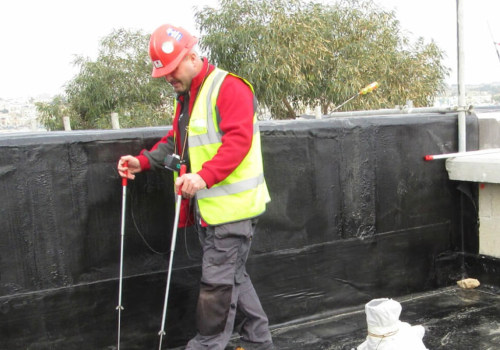
Moisture meters are handheld devices that measure the moisture content within roofing materials. These tools are invaluable for detecting leaks, especially in areas where visual inspection may not be feasible.By inserting probes into suspected areas, professionals can obtain accurate readings that indicate whether moisture levels are abnormally high, suggesting a potential leak.
Ground-Penetrating Radar (GPR)
Ground-penetrating radar
is an innovative technology that has gained traction in leak detection. GPR sends radar pulses into the roofing materials and measures the reflected signals to identify anomalies beneath the surface. This method is particularly useful for detecting leaks in complex roofing systems or when traditional methods may fall short.
Combining Techniques for Enhanced Accuracy
While each of these methods has its strengths, combining them can lead to even more accurate results. For instance, using acoustic methods alongside infrared thermography can provide a comprehensive view of potential leak locations, allowing for targeted repairs that save time and resources.In conclusion, advancements in roof leak detection technologies have significantly improved our ability to identify and address leaks promptly.By utilising a combination of acoustic methods, infrared thermography, moisture meters, and ground-penetrating radar, property owners can ensure their roofs remain watertight and avoid costly repairs down the line.
Benefits of Early Leak Detection
Early leak detection is crucial for homeowners and businesses alike, offering a multitude of benefits that extend beyond mere convenience. One of the most significant advantages is the potential for substantial cost savings. When leaks are identified promptly, the associated repair costs are often minimal compared to the expenses incurred from extensive damage that can occur if a leak goes unnoticed. For instance, a small roof leak can lead to severe structural issues, mould growth, and even damage to electrical systems, all of which can result in hefty repair bills.Moreover, early detection plays a vital role in preventing extensive damage.Water intrusion can compromise the integrity of a building's structure, leading to weakened walls and ceilings. By addressing leaks swiftly, property owners can maintain the safety and stability of their homes or commercial spaces. This proactive approach not only protects physical assets but also ensures the well-being of occupants by reducing health risks associated with mould and dampness.Another key benefit of early leak detection is the preservation of property value. Properties that are well-maintained and free from water damage tend to retain their market value more effectively than those with visible signs of neglect.
Potential buyers are often deterred by properties with a history of leaks or water damage, which can lead to lower offers or prolonged time on the market.In addition to financial implications, early leak detection contributes to environmental sustainability. By identifying and repairing leaks promptly, we can conserve water resources that would otherwise be wasted. This is particularly important in areas facing water scarcity, where every drop counts.In summary, the benefits of early leak detection are manifold. From significant cost savings and prevention of extensive damage to maintaining property value and promoting environmental sustainability, timely intervention is essential.
Investing in effective leak detection systems not only safeguards your property but also enhances your peace of mind.
Common Signs of Roof Leaks to Watch For
Identifying a roof leak early can save homeowners from extensive damage and costly repairs. Here are some common signs that may indicate a potential roof leak:- Water Stains on Ceilings or Walls: One of the most visible indicators of a roof leak is the presence of water stains. These often appear as discoloured patches on ceilings or walls, typically in a brown or yellow hue. If you notice these stains, it’s crucial to investigate further, as they can signify water pooling behind the surface.
- Mould or Mildew Growth: The presence of mould or mildew is another telltale sign of moisture intrusion.
If you detect a musty smell or see dark spots forming in corners, it may indicate that water is seeping through your roof and creating an environment conducive to fungal growth.
- Peeling Paint or Wallpaper: If paint or wallpaper begins to peel away from the walls, it could be due to excessive moisture. This can occur when water leaks into the structure, causing the materials to lose their adhesion and integrity.
- Damaged Flashing: Flashing is the material used to direct water away from critical areas of your roof, such as chimneys and vents. If you notice cracked, bent, or missing flashing, it may be allowing water to penetrate your roof.
- Visible Roof Damage: Regularly inspect your roof for any visible signs of damage, such as missing shingles, cracks, or sagging areas. These physical indicators can often lead to leaks if not addressed promptly.
- Pooling Water: After heavy rain, check for any areas where water tends to pool on your roof.
Stagnant water can lead to leaks over time as it seeps through roofing materials.
- Increased Energy Bills: A sudden spike in energy costs may also indicate a roof leak. If your insulation is compromised due to moisture, your heating and cooling systems will have to work harder to maintain comfortable temperatures.
Professional vs. DIY Leak Detection: What You Need to Know
When it comes to roof leak detection, homeowners often face a critical decision: should they attempt to identify and fix the leak themselves, or should they hire a professional service? Both approaches have their merits and drawbacks, and understanding these can help you make an informed choice.Professional Leak Detection Services
Engaging a professional leak detection service can provide several advantages:- Expertise: Professionals are trained to identify leaks quickly and accurately.
They possess the knowledge of various leak detection technologies, such as thermal imaging and acoustic sensors, which can pinpoint leaks that may not be visible to the untrained eye.
- Advanced Equipment: Professionals often use sophisticated tools that are not typically available to the average homeowner. This equipment can detect even the smallest leaks, potentially saving you from extensive damage.
- Time-Saving: Hiring a professional can save you time and effort. Instead of spending hours trying to locate a leak, you can rely on their expertise to get the job done efficiently.
- Comprehensive Solutions: Many professionals offer complete services, including repairs and preventative measures, ensuring that the issue is resolved thoroughly.
DIY Leak Detection Methods
On the other hand, some homeowners may prefer to tackle leak detection on their own. Here are some common DIY methods:- Visual Inspection: Regularly checking your roof for visible signs of damage, such as missing shingles or water stains, can help catch leaks early.
- Water Test: If you suspect a leak, you can perform a water test by spraying water on different sections of your roof and observing if any leaks appear indoors.
- Moisture Meters: These devices can help detect moisture levels in walls and ceilings, indicating potential leaks behind surfaces.
- Lack of Expertise: Without professional training, it may be challenging to accurately identify the source of a leak.
- Risk of Damage: Improper handling during DIY attempts could exacerbate the problem or cause additional damage to your roof.
- Time-Consuming: DIY methods may take longer than anticipated, especially if you lack experience.
When to Hire a Professional
If you notice persistent signs of a leak or if your DIY efforts do not yield results, it may be time to call in a professional.Additionally, if your roof is older or has experienced severe weather conditions, seeking expert assistance is advisable. Professionals can provide peace of mind by ensuring that any underlying issues are addressed effectively.Ultimately, whether you choose to go the DIY route or hire a professional for roof leak detection, understanding the pros and cons of each approach will help you make the best decision for your situation.
The Role of Insurance in Leak Detection and Repair
When it comes to roof leak detection and subsequent repairs, the role of insurance cannot be overstated. Many homeowners may not fully understand how their insurance policies address water damage, particularly from roof leaks. This lack of awareness can lead to significant financial burdens when leaks occur, making it essential to review and comprehend your coverage.Insurance companies typically categorise water damage claims into two main types: sudden and accidental damage, and gradual damage.Roof leaks often fall under the former category if they result from a specific event, such as a storm or falling debris. In contrast, gradual damage may arise from long-term neglect or lack of maintenance, which can complicate claims.
Understanding Your Policy
- Coverage Limits: It is crucial to know the limits of your policy regarding water damage. Some policies may only cover specific types of leaks or have caps on the amount they will pay for repairs.
- Deductibles: Be aware of your deductible amounts. A high deductible can significantly reduce the financial assistance you receive when filing a claim for roof leaks.
- Exclusions: Familiarise yourself with any exclusions in your policy.
For instance, some insurers may not cover damage caused by wear and tear or lack of maintenance.
The Claims Process
If you experience a roof leak, acting quickly is vital. Document the damage thoroughly with photographs and keep records of any repairs made. Notify your insurance company as soon as possible to initiate the claims process. Be prepared for an adjuster to assess the damage, which can help determine whether your claim will be approved.
The Importance of Regular Maintenance
Insurers often look for evidence that homeowners have taken reasonable steps to maintain their roofs. This includes routine inspections and timely repairs, which can demonstrate that you have acted responsibly in protecting your property.In conclusion, understanding the role of insurance in roof leak detection and repair is essential for homeowners. By reviewing your policy, knowing what is covered, and maintaining your roof diligently, you can mitigate potential financial losses associated with water damage.
Preventative Measures for Roof Leak Management
Preventing roof leaks is essential for maintaining the integrity of your home and ensuring a safe living environment. Regular maintenance and inspections can significantly reduce the risk of leaks, saving you time and money in the long run.Here are some practical tips to help you manage your roof effectively:
- Regular Inspections: Conduct thorough inspections of your roof at least twice a year, ideally in spring and autumn. Look for signs of wear and tear, such as cracked or missing shingles, rusted flashing, or damaged gutters.
- Clean Gutters and Downspouts: Clogged gutters can lead to water pooling on your roof, increasing the risk of leaks. Ensure that your gutters and downspouts are free from debris, leaves, and dirt to allow for proper drainage.
- Trim Overhanging Branches: Trees that hang over your roof can cause damage during storms or high winds. Regularly trim branches to prevent them from scraping against the roof surface or falling onto it.
- Check Flashing: Flashing is used to seal joints and prevent water from entering your home.
Inspect the flashing around chimneys, vents, and skylights for any signs of damage or deterioration. Replace any compromised flashing immediately.
- Inspect Attic Insulation: Proper insulation in your attic helps regulate temperature and prevents ice dams from forming in winter. Check for adequate insulation and ensure that ventilation is not blocked.
- Address Minor Repairs Promptly: If you notice any small issues during your inspections, such as loose shingles or minor cracks, address them immediately. Ignoring these problems can lead to more significant damage over time.
- Consider Professional Maintenance: Hiring a professional roofing contractor for an annual inspection can provide peace of mind.
They have the expertise to identify potential issues that may not be visible to the untrained eye.
FAQs About Roof Leak Detection
When it comes to roof leak detection, many homeowners have questions that can help them better understand the importance of maintaining their roofs. Here are some frequently asked questions that address common concerns and provide clarity on this essential aspect of home maintenance.What are the signs of a roof leak?
Identifying a roof leak early can save you from extensive damage. Common signs include:- Water stains on ceilings or walls, which may appear as discoloured patches.
- Mould or mildew growth, indicating prolonged moisture exposure.
- Dripping water during rainstorms or melting snow.
- Missing or damaged shingles , which can expose the underlying structure to water.
- Increased energy bills , suggesting that your roof may not be providing adequate insulation due to leaks.
How often should I check for roof leaks?
It is advisable to inspect your roof at least twice a year, ideally in spring and autumn.Additionally, you should conduct checks after severe weather events, such as heavy rain or strong winds, which can exacerbate existing vulnerabilities.
Can I detect roof leaks myself?
While some signs of leaks can be identified through visual inspection, professional roof leak detection services employ advanced techniques such as thermal imaging and moisture meters to pinpoint issues that may not be visible to the naked eye. If you suspect a leak but cannot locate it, consulting a professional is recommended.What should I do if I find a leak?
If you discover a leak, it is crucial to act quickly:- Contain the water: Use buckets or containers to catch dripping water and prevent further damage.
- Document the damage: Take photos for insurance purposes and to track repairs.
- Contact a professional: Reach out to a roofing contractor who can assess the situation and recommend appropriate repairs.
How can I prevent roof leaks?
Preventative measures are key to avoiding leaks:- Regular maintenance: Schedule routine inspections and maintenance to address minor issues before they escalate.
- Clearing debris: Keep gutters and downspouts clear of leaves and debris to ensure proper drainage.
- Upgrade materials: Consider investing in high-quality roofing materials that offer better durability and resistance to leaks.
Conclusion: The Essential Nature of Roof Leak Detection
In conclusion, the significance of roof leak detection cannot be overstated. As we have explored throughout this article, the implications of undetected leaks extend far beyond mere inconvenience; they can lead to substantial structural damage, increased repair costs, and even health risks due to mould and mildew growth. Proactive measures in leak detection not only safeguard the integrity of a property but also contribute to the overall well-being of its occupants.Homeowners and businesses alike must recognise that early intervention is key.By investing in advanced leak detection technologies, such as acoustic sensors and infrared imaging, property owners can identify potential issues before they escalate into major problems. This proactive approach not only saves money in the long run but also preserves the value of the property.Moreover, the environmental impact of water leaks is a critical consideration. With water scarcity becoming an increasingly pressing global issue, every drop counts. Effective roof leak detection plays a vital role in conserving water resources, ensuring that we do our part in protecting our planet for future generations.In summary, the importance of roof leak detection lies in its ability to prevent extensive damage, reduce repair costs, and promote environmental sustainability.
By prioritising regular inspections and employing modern detection methods, property owners can enjoy peace of mind knowing they are taking essential steps to protect their homes or businesses from the detrimental effects of water leaks.Ultimately, whether you are a homeowner or a business operator, understanding and implementing effective roof leak detection strategies is not just a wise choice; it is an essential responsibility that ensures safety, comfort, and sustainability.