Roof leaks are a common yet often underestimated issue that can lead to significant damage if not addressed promptly. Understanding the nature of these leaks is crucial for homeowners and property managers alike. A roof leak occurs when water penetrates the roofing system, leading to moisture accumulation within the structure. This can result from various factors, including poor installation, wear and tear over time, or even severe weather conditions.
Identifying the source of a leak is not always straightforward, as the visible signs may appear far from the actual point of entry.The causes of roof leaks can be diverse. For instance, damaged flashing around chimneys or vents, cracked shingles, or even clogged gutters can all contribute to water infiltration. Additionally, age-related deterioration of roofing materials can create vulnerabilities that allow water to seep through. It is essential to recognise that even minor leaks can escalate into major problems if left unchecked, leading to structural damage, mould growth, and increased repair costs.Early roof leak detection is vital for maintaining the integrity of your home.
By identifying leaks at their onset, homeowners can mitigate potential damage and save on costly repairs down the line. Regular inspections and maintenance are key components in this process. Engaging a professional for thorough assessments can provide peace of mind and ensure that any underlying issues are addressed before they become more serious. In the following sections, we will delve deeper into the investigation process for roof leaks, exploring various methods and technologies used to detect and resolve these issues effectively.
Common Causes of Roof Leaks
Understanding the common causes of roof leaks is essential for homeowners to effectively manage and maintain their roofing systems.Roof leaks can arise from a variety of factors, each contributing to the deterioration of your roof's integrity. Below are some of the most prevalent causes:
- Weather Conditions: Extreme weather events, such as heavy rain, snow, and high winds, can significantly impact your roof. Prolonged exposure to moisture can weaken roofing materials, while strong winds can lift shingles or tiles, creating openings for water to enter.
- Poor Installation: One of the leading causes of roof leaks is improper installation. If roofing materials are not fitted correctly, gaps and misalignments can occur, allowing water to penetrate.
This is particularly common with flashing around chimneys and vents, where a proper seal is crucial.
- Material Degradation: Over time, roofing materials naturally degrade due to exposure to the elements. Asphalt shingles may become brittle and crack, while metal roofs can develop rust. Regular inspections can help identify these issues before they lead to leaks.
- Clogged Gutters: Gutters play a vital role in directing water away from your roof. When gutters become clogged with leaves and debris, water can back up and seep under shingles or tiles, leading to leaks.
Regular cleaning and maintenance of gutters are essential.
- Punctures and Tears: Roofs can be punctured by falling branches or debris during storms. Additionally, foot traffic during maintenance or installation work can cause tears in roofing materials. These punctures create direct pathways for water infiltration.
- Mold and Mildew Growth: In areas where moisture accumulates, mold and mildew can thrive. This not only poses health risks but can also compromise the structural integrity of roofing materials over time.
Regular inspections and maintenance are key to identifying issues early on and ensuring the longevity of your roof.
Signs of a Roof Leak
Identifying the signs of a roof leak is crucial for homeowners, as early detection can save you from extensive damage and costly repairs. Roof leaks can manifest in various ways, some of which may be visible while others remain hidden until significant damage occurs.Visible Signs of Roof Leaks
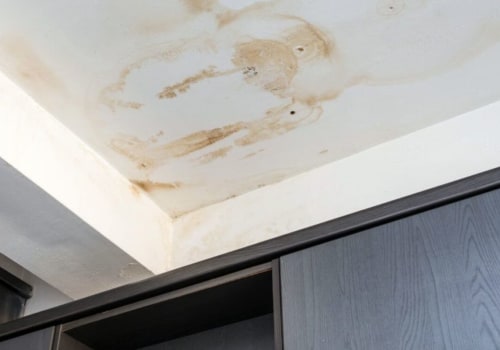
- Water Stains: One of the most common indicators of a roof leak is the presence of water stains on ceilings or walls. These stains often appear as discoloured patches, typically yellow or brown, and may expand over time if the leak is not addressed.
- Dampness: If you notice damp spots on your walls or ceilings, it could indicate that water is seeping through your roof. This moisture can lead to further issues, such as mould growth and structural damage.
- Mould and Mildew: The presence of mould or mildew in your home is a strong sign of excess moisture, often resulting from a roof leak.
These fungi thrive in damp environments and can pose health risks to occupants.
- Peeling Paint or Wallpaper: If paint or wallpaper begins to peel away from the walls, it may be due to moisture accumulation behind the surface. This can be a direct result of a leaking roof.
- Dripping Water: In severe cases, you may notice water dripping from your ceiling during rainstorms. This is a clear indication that your roof has a significant leak that requires immediate attention.
Hidden Signs of Roof Leaks
- Unexplained Increases in Utility Bills: If your heating or cooling bills suddenly spike, it could be due to air leaks caused by water damage affecting insulation and ventilation.
- Musty Odours: A persistent musty smell in certain areas of your home can indicate hidden mould growth due to prolonged moisture exposure from a roof leak.
- Damaged Insulation: If you inspect your attic and find that the insulation is wet or has become compressed, this could signal that water is entering through the roof.
The Importance of Roof Leak Detection
Detecting roof leaks promptly is essential for safeguarding your home and ensuring its longevity.The importance of roof leak detection cannot be overstated, as even minor leaks can lead to significant issues if left unaddressed.One of the primary benefits of early detection is the prevention of extensive damage. Water intrusion can compromise the structural integrity of your home, leading to costly repairs. For instance, prolonged exposure to moisture can weaken wooden beams and rafters, resulting in sagging ceilings or even collapse in severe cases. Additionally, water can seep into insulation, rendering it ineffective and necessitating replacement.Moreover, undetected leaks can create an environment conducive to mould growth.
Mould not only damages building materials but also poses serious health risks to occupants. Exposure to mould spores can lead to respiratory issues, allergic reactions, and other health complications, particularly for vulnerable individuals such as children and the elderly.Another critical aspect of roof leak detection is the potential for increased energy costs. When water infiltrates your roofing system, it can disrupt the thermal efficiency of your home. This disruption forces your heating and cooling systems to work harder, leading to higher utility bills.In addition to these practical concerns, timely leak detection can also enhance the overall value of your property.
A well-maintained roof is a significant selling point for prospective buyers. By addressing leaks early on, you not only protect your investment but also improve your home's marketability.In summary, the importance of roof leak detection lies in its ability to prevent extensive damage, safeguard health, reduce energy costs, and maintain property value. Regular inspections and prompt action at the first sign of a leak are crucial steps in preserving the integrity of your home.
Visual Inspection Techniques for Roof Leak Detection
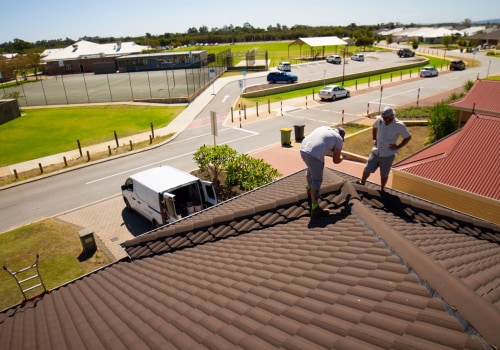
Conducting a visual inspection is a crucial first step in roof leak detection. This process allows homeowners and professionals alike to identify potential problem areas before they escalate into significant issues.Here are some effective techniques and tips for performing a thorough visual inspection of your roof.
Preparation for Inspection
Before climbing onto your roof, ensure you have the right tools and safety equipment. A sturdy ladder, safety harness, and non-slip shoes are essential for your safety. Additionally, consider using binoculars to inspect hard-to-reach areas from the ground.What to Look For
During your inspection, focus on the following key areas:- Flashing: Check around chimneys, vents, and skylights for any signs of damage or deterioration. Cracked or missing flashing can lead to water penetration.
- Shingles: Look for missing, curled, or cracked shingles.
These can create openings for water to seep through.
- Debris: Remove any leaves, branches, or other debris that may be blocking drainage systems. Clogged gutters can cause water to back up and leak into your home.
- Ponding Water: Inspect flat roofs for areas where water tends to pool after rain. This can indicate poor drainage and increase the risk of leaks.
- Moss and Algae: While not directly causing leaks, moss and algae can retain moisture against the roof surface, leading to deterioration over time.
Inspecting Different Roof Types
The method of inspection may vary depending on the type of roof:- Pitched Roofs: For sloped roofs, start at the ridge and work your way down. Pay close attention to valleys where water flows and areas where different materials meet.
- Flat Roofs: Walk carefully on flat roofs, checking for any soft spots that may indicate underlying damage.
Use a moisture meter if available to detect hidden leaks.
- Tiled Roofs: Inspect tiles for cracks or displacement. Ensure that all tiles are securely in place and that there are no gaps allowing water entry.
Advanced Roof Leak Detection Methods
When it comes to identifying roof leaks, traditional methods may not always suffice, especially when dealing with complex roofing systems. Advanced roof leak detection techniques have emerged, providing professionals with the tools necessary to pinpoint leaks that are otherwise hidden from view.Infrared Scanning for Roof Leaks
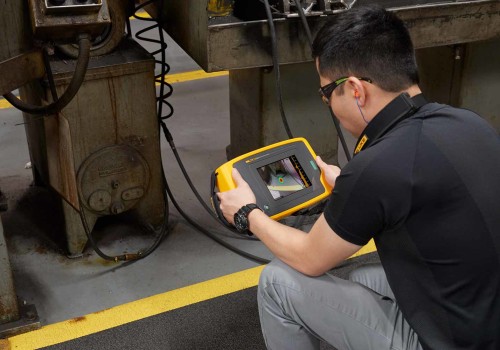
One of the most effective advanced methods is infrared scanning.This technique utilises thermal imaging technology to detect temperature variations across the roof surface. When water infiltrates a roofing system, it alters the thermal properties of the materials involved. Infrared cameras can identify these discrepancies, allowing technicians to locate potential leaks without invasive measures.The process begins with a thorough inspection of the roof during specific weather conditions, typically at night or early morning when temperature differences are most pronounced. The infrared camera captures images that reveal cooler areas where moisture may be present.
This method is particularly beneficial for flat roofs, where water pooling can occur and may not be immediately visible.
Flood Testing Roofs
Flood testing is another advanced technique employed to detect leaks in roofing systems. This method involves temporarily flooding specific sections of the roof with water to observe if any leaks develop within a controlled environment. By isolating areas of concern, roofing professionals can effectively determine whether a particular section is contributing to water ingress.During flood testing, technicians monitor the interior spaces for signs of moisture penetration. This method is particularly useful for identifying leaks that may not be apparent during a standard visual inspection.However, it requires careful planning and execution to avoid damaging the roofing materials or causing additional issues.
Combining Techniques for Optimal Results
While infrared scanning and flood testing are powerful methods on their own, combining these techniques can yield even more accurate results. For instance, infrared scanning can help identify areas that require flood testing, ensuring that resources are focused on the most likely sources of leaks.In conclusion, advanced roof leak detection methods such as infrared scanning and flood testing provide invaluable insights into the integrity of roofing systems. By employing these techniques, professionals can effectively identify hidden leaks, ultimately saving homeowners from costly repairs and extensive damage.When to Call a Professional Roofer
Determining when to call a professional roofer for roof leak detection can be crucial in preventing further damage to your home. While some homeowners may feel confident tackling minor repairs themselves, there are specific situations where the expertise of a qualified roofing technician is essential.Signs You Need a Roofing Expert
- Persistent Water Stains: If you notice water stains on your ceilings or walls that seem to reappear despite your attempts to fix them, it’s a clear indication that the leak is not resolved.
A professional can identify the source and provide a lasting solution.
- Mold Growth: The presence of mold or mildew in your home is a serious health concern and often indicates prolonged moisture exposure. A roofing expert can assess the situation and recommend necessary repairs to eliminate both the leak and the mold.
- Visible Damage: If you see missing shingles, cracked tiles, or damaged flashing, these are signs that your roof may be compromised. Attempting to repair these issues without professional help can lead to more extensive damage.
- Age of the Roof: If your roof is nearing the end of its expected lifespan (typically 20-25 years for asphalt shingles), it’s wise to consult a professional. They can evaluate whether repairs are feasible or if a full replacement is necessary.
- Complex Roof Designs: Roofs with multiple slopes, valleys, or unique architectural features can be challenging to inspect and repair.
Professionals have the training and tools to navigate these complexities safely.
The Limitations of DIY Methods
While DIY methods can be effective for minor issues, they often fall short when it comes to comprehensive roof leak detection. Homeowners may lack the specialized knowledge required to identify hidden leaks or underlying problems that could escalate if left unaddressed. Moreover, climbing onto a roof poses safety risks, especially for those without proper equipment or experience.
Benefits of Hiring Experienced Technicians
Engaging a professional roofer offers numerous advantages:
- Thorough Inspections: Professionals conduct detailed inspections using advanced techniques such as infrared scanning, which can detect moisture beneath the surface that may not be visible during a standard visual check.
- Expertise in Repair Techniques: Experienced roofers are familiar with various roofing materials and repair methods, ensuring that any work done is appropriate for your specific roof type.
- Long-Term Solutions: Professionals not only fix immediate leaks but also provide recommendations for preventative measures, helping you avoid future issues.
- Insurance and Warranties: Many reputable roofing companies offer warranties on their work and can assist with insurance claims if necessary, providing peace of mind for homeowners.
Preventative Measures to Avoid Roof Leaks
Preventing roof leaks is essential for maintaining the integrity of your home and ensuring a safe living environment.Regular maintenance and proactive measures can significantly extend the lifespan of your roof while saving you from costly repairs down the line.
1.Regular Inspections
- Conduct thorough inspections at least twice a year, ideally in spring and autumn. Look for signs of wear, such as cracked shingles, rusted flashing, or damaged gutters.
- Pay special attention to areas where different materials meet, such as chimneys, vents, and skylights, as these are common leak points.
- If you notice any signs of water damage inside your home, such as stains on ceilings or walls, investigate immediately to identify potential roof issues.
2.Clean Gutters and Downspouts
- Clogged gutters can lead to water pooling on your roof, increasing the risk of leaks. Clean your gutters regularly to ensure proper drainage.
- Install gutter guards to reduce debris accumulation and make maintenance easier.
3.Trim Overhanging Branches
- Tree branches that hang over your roof can cause damage during storms or high winds. Regularly trim these branches to prevent them from scraping against the roof surface or breaking off and causing structural damage.
4.Address Minor Repairs Promptly
- If you notice missing or damaged shingles, replace them as soon as possible.
Delaying repairs can lead to more extensive damage and higher repair costs.
- Check for loose flashing around chimneys and vents; re-seal or replace it if necessary to prevent water infiltration.
5.Consider Professional Maintenance
- Hiring a professional roofing contractor for an annual inspection can provide peace of mind. They have the expertise to identify potential issues that may go unnoticed by an untrained eye.
- A professional can also perform necessary maintenance tasks, such as sealing joints and applying protective coatings that enhance your roof's durability.
Conclusion: Ensuring Your Roof's Integrity
In conclusion, the integrity of your roof is paramount to the overall health and safety of your home. Roof leak detection is not merely a reactive measure; it is a proactive approach that can save homeowners significant time, money, and stress in the long run.By understanding the signs of potential leaks and the methods available for their detection, you can take informed steps to protect your property.Regular inspections are essential. It is advisable to conduct a thorough visual examination of your roof at least twice a year, ideally in spring and autumn. Look for common indicators such as:
- Missing or damaged shingles
- Cracked or deteriorating flashing
- Pooling water on flat roofs
- Signs of water damage on interior ceilings and walls
- Mould or mildew growth in attic spaces
They can employ advanced techniques such as infrared scanning or flood testing to accurately identify the source of leaks, ensuring that no underlying issues are overlooked.Moreover, maintaining your roof involves more than just addressing leaks as they arise. Regular maintenance practices, such as cleaning gutters, removing debris, and ensuring proper drainage, play a vital role in prolonging the lifespan of your roofing system. By investing in routine care, you can mitigate the risk of leaks developing in the first place.Ultimately, vigilance is key. A well-maintained roof not only protects your home from water damage but also enhances its overall value and aesthetic appeal.
Remember that early detection and intervention are your best allies in safeguarding your property against the potentially devastating effects of roof leaks.