Roof leaks are a common yet often underestimated issue that can lead to significant damage if not addressed promptly. Essentially, a roof leak occurs when water penetrates the roofing system, resulting in moisture intrusion that can affect the interior of a building. This can manifest as water stains on ceilings, peeling paint, or even mould growth, all of which indicate that there is a problem that needs immediate attention. Understanding what constitutes a roof leak is crucial for homeowners, as it empowers them to take proactive measures to protect their property, including considering options like spray foam insulation for better sealing.The causes of roof leaks can vary widely, ranging from natural wear and tear to severe weather conditions. Roof leaks are a common yet often underestimated issue that can lead to significant damage if not addressed promptly. Essentially, a roof leak occurs when water penetrates the roofing system, resulting in moisture intrusion that can affect the interior of a building. This can manifest as water stains on ceilings, peeling paint, or even mould growth, all of which indicate that there is a problem that needs immediate attention. Understanding what constitutes a roof leak is crucial for homeowners, as it empowers them to take proactive measures to protect their property, including considering options like spray foam insulation for better sealing.The causes of roof leaks can vary widely, ranging from natural wear and tear to severe weather conditions.
Common culprits include:
- Damaged shingles: Over time, shingles can become brittle and crack due to exposure to the elements.
- Poor installation: If a roof is not installed correctly, it may be more susceptible to leaks.
- Flashing issues: Flashing is used to direct water away from critical areas of the roof; if it is damaged or improperly installed, leaks can occur.
- Clogged gutters: When gutters are blocked, water can overflow and seep under the roofing material.
- Age of the roof: Older roofs are naturally more prone to leaks as materials degrade over time.
Common Causes of Roof Leaks
Understanding the common causes of roof leaks is essential for homeowners who wish to protect their property from water damage.Roof leaks can arise from a variety of factors, and being aware of these can help in early detection and prevention.
1.Weather Conditions
Extreme weather conditions are one of the primary culprits behind roof leaks. Heavy rain, snow, and ice can put immense pressure on roofing materials, leading to potential breaches. For instance, ice dams can form in colder climates, causing water to back up under shingles and eventually leak into the home. Additionally, high winds can lift shingles or tiles, exposing the underlying structure to moisture.
2.Poor Installation
Another significant factor contributing to roof leaks is inadequate installation.
If roofing materials are not installed correctly, it can lead to gaps and vulnerabilities. This is particularly true for flashing around chimneys, vents, and skylights, which require precise fitting to prevent water ingress. Homeowners should always hire qualified professionals for installation to ensure that all components are properly secured.
3.Material Degradation
Over time, roofing materials naturally degrade due to exposure to the elements. Asphalt shingles may become brittle and crack, while metal roofs can develop rust spots.
Regular maintenance is crucial in identifying signs of wear and tear before they escalate into serious leaks. Homeowners should conduct periodic inspections or hire a professional to assess the condition of their roofs.
4.Clogged Gutters
Clogged gutters can also lead to roof leaks by preventing proper drainage. When gutters are blocked with leaves and debris, water can overflow and pool on the roof, increasing the risk of leaks. Regular cleaning of gutters is essential to ensure that water flows freely away from the roof.
5.Structural Issues
Finally, underlying structural problems such as sagging rafters or inadequate support can contribute to roof leaks.
These issues may cause uneven surfaces where water can accumulate, leading to potential leaks over time. It’s important for homeowners to address any structural concerns promptly.By understanding these common causes of roof leaks, homeowners can take proactive measures to protect their roofs and maintain the integrity of their homes.
Signs of a Roof Leak
Identifying a roof leak early can save homeowners from extensive damage and costly repairs. Understanding the signs of a roof leak is crucial for maintaining the integrity of your home. Here are some key indicators to look out for:Visible Signs Inside Your Home
- Water Stains: One of the most common signs of a roof leak is the appearance of water stains on ceilings or walls.
These stains often appear as discoloured patches, typically yellow or brown, and may expand over time.
- Mold and Mildew: The presence of mold or mildew, particularly in areas that are not typically damp, can indicate a hidden leak. If you notice a musty smell or see black spots, it’s essential to investigate further.
- Peeling Paint or Wallpaper: If paint or wallpaper begins to peel away from the walls, it may be due to moisture seeping in from a roof leak. This is often accompanied by bubbling or blistering.
- Dripping Water: In severe cases, you may actually see water dripping from the ceiling during or after rain. This is a clear sign that immediate action is required.
Visible Signs Outside Your Home
- Damaged Shingles: Inspect your roof for missing, cracked, or curled shingles.
These can create openings for water to enter and lead to leaks.
- Debris Accumulation: Piles of leaves, branches, or other debris on your roof can trap moisture and lead to leaks. Regular cleaning can help prevent this issue.
- Gutters and Downspouts: Ensure that gutters are clear and functioning properly. Clogged gutters can cause water to back up and seep under shingles.
Early detection not only protects your home but also preserves its value over time.
The Importance of Professional Roof Leak Detection
When it comes to maintaining the integrity of your home, professional roof leak detection is an essential service that should not be overlooked. While some homeowners may consider tackling leak detection on their own, the benefits of hiring a specialist far outweigh the potential savings of a DIY approach.Expertise and Experience
Professional roof leak detection specialists possess extensive training and experience in identifying and resolving leaks. They are well-versed in the various types of roofing systems and the common issues that can arise within them. This expertise allows them to quickly pinpoint the source of a leak, which can often be hidden or difficult to detect without proper knowledge.
Advanced Tools and Techniques
Specialists utilise state-of-the-art tools and technology that are not typically available to the average homeowner.
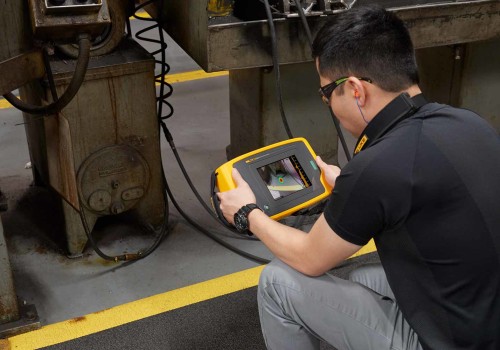
For instance, thermal imaging cameras can detect temperature variations in roofing materials, indicating moisture presence that is invisible to the naked eye. Additionally, moisture meters can provide precise readings of dampness levels within roofing structures, ensuring that no potential leaks are overlooked.
Thorough Inspection Process
A professional will conduct a comprehensive inspection of your roof, examining not only the surface but also underlying structures that may be affected by water intrusion. This thorough approach ensures that all potential issues are identified and addressed, preventing future leaks and costly repairs.
Long-Term Cost Savings
While hiring a professional may seem like an added expense, it can save you money in the long run. By accurately identifying and repairing leaks early on, you can avoid extensive damage that could lead to more significant repairs or even roof replacement.
Furthermore, professionals often provide warranties on their work, giving you peace of mind that your investment is protected.
Peace of Mind
Knowing that a qualified expert has assessed your roof can alleviate stress and uncertainty. You can rest assured that any issues have been properly addressed, allowing you to focus on other aspects of home maintenance without worrying about hidden leaks causing damage.In conclusion, while DIY methods may seem appealing for roof leak detection, the advantages of hiring a professional specialist are clear. Their expertise, advanced tools, thorough inspection processes, long-term cost savings, and peace of mind make them an invaluable resource for any homeowner concerned about roof integrity.
DIY Roof Leak Detection Techniques
Detecting roof leaks on your own can be a daunting task, but with the right techniques and tools, homeowners can effectively identify potential issues before they escalate into significant problems. Here are some practical DIY roof leak detection methods that can help you keep your home safe and dry.Visual Inspection
Start with a thorough visual inspection of your roof.Look for the following signs:
- Missing or Damaged Shingles: Check for any shingles that are cracked, curled, or completely missing. These areas are often the first to allow water penetration.
- Flashing Issues: Inspect the flashing around chimneys, vents, and skylights. Damaged or improperly installed flashing can lead to leaks.
- Debris Accumulation: Remove any debris such as leaves or branches that may trap moisture against the roof surface.
- Stains and Discolouration: Look for dark spots or stains on the roof surface, which may indicate water pooling or leaks.
Interior Checks
Next, examine the interior of your home for signs of leaks:- Mold and Mildew: Check for any signs of mold growth in areas like ceilings and walls, particularly in corners and around windows.
- Water Stains: Look for brown or yellow water stains on ceilings and walls, which can indicate a leak from above.
- Dampness: Feel for damp spots on walls or ceilings, especially after heavy rain.
Using Tools for Detection
If you want to take your inspection a step further, consider using some basic tools:- Garden Hose: On a dry day, use a garden hose to simulate rain. Start at the bottom of the roof and work your way up, checking for leaks as you go.
This method can help pinpoint the exact location of a leak.
- Torch Light: Use a torch light to inspect dark areas of your attic or roof space. Look for any signs of moisture or water trails.
- Cameras: A smartphone camera can be useful for capturing images of hard-to-reach areas. Zoom in on potential problem spots to get a better look.
Advanced Leak Detection Methods Used by Specialists
Detecting roof leaks requires a combination of expertise and advanced technology.Professionals in the field employ a variety of sophisticated methods to accurately identify the source of leaks, ensuring that repairs are both effective and long-lasting.
Infrared Thermography
One of the most innovative techniques used by leak detection specialists is infrared thermography. This method involves using thermal imaging cameras to detect temperature variations on the roof surface. Since water has a different thermal conductivity than dry materials, areas affected by leaks will often show up as cooler spots on the thermal image. This non-invasive technique allows professionals to pinpoint leaks without causing any damage to the roofing material.Moisture Meters
Moisture meters
are another essential tool in the arsenal of leak detection specialists.
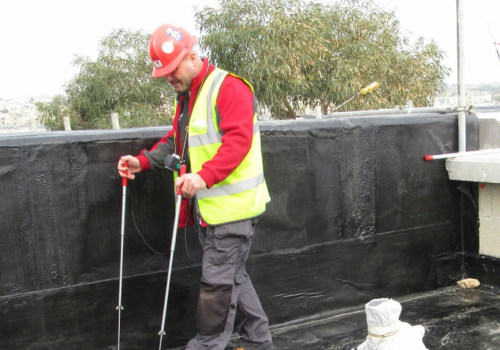
These devices measure the moisture content in various materials, including wood, drywall, and insulation. By identifying areas with elevated moisture levels, professionals can determine where leaks may be occurring. There are two main types of moisture meters: pin-type and pinless. Pin-type meters use electrodes to penetrate the material, while pinless meters use electromagnetic signals to assess moisture levels without causing any damage.
Acoustic Leak Detection
Acoustic leak detection
is a method that utilises sound waves to locate leaks.
Specialists use sensitive microphones or listening devices to detect the sound of water escaping from pipes or roofing systems. This technique is particularly useful for identifying leaks that are not visible on the surface, as it can pick up subtle sounds that indicate water movement.
Thermal Imaging and Moisture Mapping
Combining thermal imaging with moisture mapping provides a comprehensive view of a roof's condition. By overlaying thermal images with moisture readings, specialists can create detailed maps that highlight problem areas. This approach not only aids in identifying current leaks but also helps in predicting potential future issues.Drone Technology
The advent of drone technology has revolutionised roof inspections.Drones equipped with high-resolution cameras can capture detailed images of roofs from various angles, allowing specialists to identify potential problem areas without the need for scaffolding or ladders. This method is particularly beneficial for large commercial buildings where access may be challenging.In conclusion, employing these advanced leak detection methods enables specialists to accurately diagnose roof issues and implement effective solutions. By utilising cutting-edge technology, they can ensure that your roof remains in optimal condition, safeguarding your property from water damage.
Repairing Roof Leaks: What to Expect
Once a roof leak has been detected, the next crucial step is to initiate the repair process. Understanding what to expect during this phase can help homeowners prepare for the necessary work and associated costs.The Roof Leak Repair Process
- Initial Assessment: A qualified roofing contractor will begin with a thorough inspection of the roof to identify the exact source of the leak.
This may involve climbing onto the roof and examining areas such as flashing, shingles, and seams.
- Damage Evaluation: After locating the leak, the contractor will assess any damage caused by water intrusion. This includes checking for rotting wood, mould growth, or compromised insulation that may need to be addressed during repairs.
- Preparation for Repair: Before any repairs can commence, the area around the leak will be prepared. This may involve removing damaged roofing materials and ensuring that the underlying structure is dry and stable.
- Repair Work: Depending on the nature of the leak, repairs can vary significantly. Common methods include replacing damaged shingles, sealing cracks with roofing cement, or installing new flashing.
In more severe cases, sections of the roof may need to be replaced entirely.
- Final Inspection: Once repairs are completed, a final inspection is conducted to ensure that all work meets safety standards and that the leak has been effectively resolved.
What Homeowners Can Expect During Repairs
During the repair process, homeowners should expect some disruption. Roofing work can be noisy and may require access to various parts of the home. It’s advisable to communicate with your contractor about timelines and any specific concerns you may have.
Costs of Repairing Roof Leaks
The cost of repairing a roof leak can vary widely based on several factors:
- Extent of Damage: Minor leaks that require simple repairs will generally cost less than extensive damage that necessitates significant structural work.
- Type of Roofing Material: The material used for your roof can influence repair costs. For instance, slate or tile roofs may require more expensive materials and skilled labour compared to asphalt shingles.
- Location: Geographic location can also affect pricing due to variations in labour costs and material availability.
However, it’s essential to obtain multiple quotes from reputable contractors to ensure fair pricing and quality workmanship.
Preventative Measures to Avoid Future Roof Leaks
Preventing roof leaks is essential for maintaining the integrity of your home and ensuring a safe living environment. Regular maintenance and proactive care can significantly extend the lifespan of your roof while minimising the risk of leaks. Here are some effective strategies to help you keep your roof in top condition:- Regular Inspections: Schedule annual roof inspections, ideally in the spring and autumn. During these inspections, look for signs of wear and tear, such as cracked shingles, rusted flashing, or damaged gutters.
Early detection of potential issues can save you from costly repairs down the line.
- Clean Gutters and Downspouts: Clogged gutters can lead to water pooling on your roof, increasing the risk of leaks. Ensure that your gutters and downspouts are free from debris, leaves, and dirt. Regular cleaning will facilitate proper drainage and prevent water from backing up.
- Trim Overhanging Branches: Trees that hang over your roof can cause damage during storms or high winds. Regularly trim branches to prevent them from scraping against your roof or falling onto it, which can lead to punctures or other damage.
- Check Flashing: Flashing is used to direct water away from critical areas of your roof, such as chimneys and vents.
Inspect flashing for any signs of damage or deterioration. If you notice any issues, replace or repair the flashing promptly to prevent leaks.
- Maintain Roof Coatings: If your roof has a protective coating, ensure it is maintained regularly. These coatings can help reflect UV rays and provide an additional layer of protection against moisture infiltration.
- Address Minor Repairs Immediately: If you notice any minor issues, such as a loose shingle or small crack, address them immediately. Ignoring these problems can lead to more significant issues over time.
Remember that proactive maintenance not only protects your home but also enhances its overall value. Investing time and effort into regular care will pay off in the long run by extending the lifespan of your roof and ensuring peace of mind.
Frequently Asked Questions about Roof Leak Detection
When it comes to roof leak detection, many homeowners have questions that need addressing. Understanding these common queries can help you make informed decisions about your roof maintenance and repairs.What are the signs of a roof leak?
Identifying a roof leak early can save you from extensive damage and costly repairs. Here are some common signs to look out for:- Water stains: Look for discolouration on your ceilings or walls, which may indicate water intrusion.
- Mould or mildew: The presence of mould can suggest prolonged moisture exposure, often due to a leak.
- Peeling paint: If paint is bubbling or peeling, it could be a sign of moisture behind the surface.
- Dripping water: Obvious leaks during rainstorms are a clear indicator that your roof needs immediate attention.
How can I detect a roof leak myself?
If you suspect a leak, you can perform a preliminary inspection:- Inspect the attic: Look for any signs of water damage or dampness on the rafters and insulation.
- Check the roof surface: Look for missing shingles, cracks, or any debris that may obstruct drainage.
- Examine flashings: Ensure that metal flashings around chimneys and vents are intact and properly sealed.
When should I call a professional for roof leak detection?
If you notice any of the signs mentioned above or if your roof is over 15 years old, it’s wise to schedule an inspection with a qualified roofing contractor.Professionals have the tools and expertise to identify leaks that may not be visible to the untrained eye.
What methods do professionals use for leak detection?
Roofing specialists employ various techniques to pinpoint leaks accurately:- Infrared thermography: This method detects temperature differences in roofing materials, indicating moisture presence.
- Moisture meters: These devices measure moisture levels in roofing materials to identify hidden leaks.
- Aerial inspections: Drones equipped with cameras can provide an overview of the roof’s condition without needing scaffolding.
Conclusion: Ensuring Your Home's Safety with Effective Roof Leak Detection
In conclusion, the significance of roof leak detection cannot be overstated when it comes to safeguarding your home. As we have explored throughout this article, timely identification and resolution of roof leaks are crucial in preventing extensive damage and costly repairs. Ignoring the signs of a leak can lead to serious structural issues, mould growth, and a decline in your property’s value.Engaging a professional roof leak detection specialist is essential for several reasons:- Expertise: Professionals possess the knowledge and experience necessary to accurately identify the source of leaks, which can often be hidden or difficult to detect without specialised tools.
- Advanced Technology: Many specialists use cutting-edge technology such as thermal imaging and moisture meters, which allow for precise detection of leaks without invasive measures.
- Comprehensive Solutions: A qualified contractor not only identifies leaks but also provides effective repair solutions that ensure long-term protection against future issues.
- Preventative Maintenance: Regular inspections by a roof leak detection expert can help catch potential problems before they escalate, saving you time and money in the long run.
This practice not only extends the lifespan of your roof but also enhances the overall safety and comfort of your home.Ultimately, investing in professional roof leak detection services is an investment in your home’s integrity. By prioritising this aspect of home maintenance, you are taking significant steps towards ensuring a safe living environment for you and your family. Don’t wait for a small issue to become a major problem; act now to protect your home from the damaging effects of water leaks.