Understanding roof leak detection is crucial for homeowners, especially when it comes to navigating the complexities of insurance coverage. A roof leak can lead to significant damage if not identified and addressed promptly, potentially resulting in costly repairs and complications with insurance claims. Homeowners often find themselves in a precarious situation when leaks occur, as the source of the problem may not always be immediately visible. This is where effective detection methods come into play, allowing homeowners to incorporate proactive home maintenance strategies to mitigate damage before it escalates.When a roof leak is detected early, it can save homeowners not only money but also stress associated with extensive repairs. . A roof leak can lead to significant damage if not identified and addressed promptly, potentially resulting in costly repairs and complications with insurance claims. Homeowners often find themselves in a precarious situation when leaks occur, as the source of the problem may not always be immediately visible. This is where effective detection methods come into play, allowing homeowners to incorporate proactive home maintenance strategies to mitigate damage before it escalates.When a roof leak is detected early, it can save homeowners not only money but also stress associated with extensive repairs.
However, the relationship between roof leaks and homeowners insurance can be intricate. Many policies cover damages caused by sudden and accidental leaks, but understanding the nuances of what is covered is essential. For instance, if a leak results from a storm or other covered peril, homeowners may be eligible for compensation. Conversely, leaks stemming from neglect or lack of maintenance may not qualify for coverage, leaving homeowners to bear the financial burden.This section aims to shed light on the importance of timely roof leak detection and its implications for insurance claims.
By being proactive in identifying potential issues, homeowners can better navigate their insurance policies and ensure they are adequately protected against unforeseen damages. As we delve deeper into this topic, we will explore various aspects of roof leak detection, the types of coverage available through homeowners insurance, and practical steps to take when faced with a roof leak.
What is Roof Leak Detection?
Roof leak detection is a critical process that involves identifying and locating leaks in your roofing system before they escalate into more significant issues. Early detection is essential not only for maintaining the integrity of your home but also for ensuring that any potential insurance claims are valid and effective.There are several methods of roof leak detection that homeowners and professionals can employ:- Visual Inspection: This is often the first step in identifying roof leaks. Homeowners should regularly inspect their roofs for visible signs of damage, such as missing shingles, cracked tiles, or worn flashing.
Look for water stains on ceilings and walls inside the home, which can indicate a leak.
- Water Testing: If a leak is suspected but not visible, water testing can be an effective method. This involves using a hose to simulate rain on specific areas of the roof while someone inside the house checks for leaks. This method helps pinpoint the exact location of the leak.
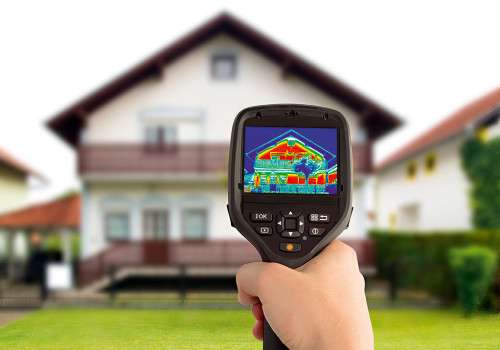
- Infrared Thermography: This advanced technique uses infrared cameras to detect temperature differences in roofing materials. Cold spots can indicate moisture accumulation, helping professionals locate hidden leaks without invasive measures.
- Moisture Meters: These devices measure the moisture content in roofing materials.
A high moisture reading can signal a leak, allowing for targeted repairs rather than extensive investigations.
Signs of roof leaks
can vary, but common indicators include:
- Water stains or discoloration on ceilings and walls.
- Mold or mildew growth in areas where moisture has accumulated.
- Damp or musty odours within the home.
- Peeling paint or wallpaper, particularly near the roofline.
- Visible sagging in ceilings or walls.
By prioritising early detection, homeowners can mitigate risks and ensure their properties remain safe and secure.
Common Causes of Roof Leaks
Understanding the common causes of roof leaks is essential for homeowners who wish to protect their property from water damage. Roof leaks can arise from various factors, primarily related to weather conditions and maintenance practices. By identifying these causes, homeowners can take proactive measures to mitigate risks and ensure the longevity of their roofs.Weather-Related Damage
Severe weather events are among the leading causes of roof leaks. Here are some common weather-related issues:- Heavy Rainfall: Prolonged periods of heavy rain can overwhelm a roof's drainage system, leading to water pooling and eventual leaks.
- Snow and Ice: Accumulation of snow can create ice dams, which block melting snow from draining off the roof.
This trapped water can seep under shingles and cause leaks.
- High Winds: Strong winds can lift shingles or tiles, exposing the underlying layers of the roof to rain and moisture.
- Hail Damage: Hailstones can create dents or cracks in roofing materials, compromising their integrity and allowing water to penetrate.
Maintenance Issues
Lack of regular maintenance is another significant contributor to roof leaks. Homeowners should be aware of the following maintenance-related factors:- Neglected Inspections: Failing to conduct regular roof inspections can lead to undetected damage that worsens over time.
- Deteriorating Flashing: Flashing is used to seal joints and prevent water intrusion. If it becomes damaged or corroded, it can lead to leaks.
- Clogged Gutters: When gutters are blocked by debris, water cannot flow freely away from the roof, increasing the risk of leaks.
- Worn Shingles: Over time, shingles can become brittle and lose their protective granules, making them more susceptible to leaks.
How Homeowners Insurance Covers Roof Leaks
Understanding how homeowners insurance covers roof leaks is crucial for any homeowner.Generally, most homeowners insurance policies provide coverage for roof leaks, but there are specific conditions that must be met for a claim to be valid.Typically, insurance will cover roof leaks that result from sudden and accidental events. For instance, if a severe storm causes a tree to fall on your roof, leading to a leak, this would likely be covered under your policy. However, it’s important to note that not all types of damage are treated equally.
Conditions for Coverage
To successfully file a claim for a roof leak, the following conditions usually apply:- Accidental Damage: The leak must be the result of an unexpected incident rather than gradual wear and tear. For example, if your roof has been compromised due to age or lack of maintenance, the insurance may not cover the resulting leaks.
- Named Perils: Most policies specify certain hazards that are covered.
These can include fire, hail, windstorms, and vandalism. If the leak is caused by one of these named perils, you stand a better chance of receiving compensation.
- Timely Reporting: It’s essential to report the leak to your insurance provider as soon as possible. Delaying your claim can lead to complications or even denial based on the policy’s terms.
Types of Damage Covered
The types of damage typically covered by homeowners insurance in relation to roof leaks include:- Structural Damage: If water from a leak has caused damage to the structural integrity of your home, such as beams or walls, this is generally covered.
- Personal Property Damage: If personal belongings are damaged due to water intrusion from a roof leak, you may also be able to claim for these losses.
- Repairs and Replacement: Insurance may cover the cost of repairs needed to fix the leak itself or even replace sections of the roof if necessary.
When Roof Leak Repairs Are Covered by Insurance
Understanding when roof leak repairs are covered by insurance is crucial for homeowners.Insurance policies can vary significantly, but there are common scenarios that determine whether a claim will be approved.
Sudden vs Gradual Leaks
One of the primary distinctions in insurance coverage for roof repairs lies between sudden leaks and gradual leaks. Sudden leaks typically occur due to unforeseen events, such as:
- Severe storms that cause wind damage or hail impact.
- Falling trees or branches that breach the roof.
- Accidental damage from maintenance activities.
- Worn-out roofing materials that have exceeded their lifespan.
- Neglected flashing around chimneys or skylights.
- Clogged gutters leading to water pooling on the roof.
Homeowners are expected to conduct routine inspections and address minor issues before they escalate into significant problems.
Claim Eligibility
To determine eligibility for a claim, homeowners should document the damage thoroughly. This includes taking photographs of the leak's source and any resulting interior damage. Additionally, obtaining a professional assessment can provide valuable evidence when filing a claim. Insurance adjusters will look for signs of sudden damage versus ongoing issues when evaluating claims.In summary, understanding the nuances between sudden and gradual leaks is essential for navigating insurance claims effectively.
Homeowners should maintain their roofs diligently and be aware of their policy details to ensure they are prepared in case of unexpected roof damage.
What to Do If You Discover a Roof Leak
Discovering a roof leak can be a distressing experience for any homeowner. However, knowing the right steps to take immediately can help mitigate damage and ensure a smoother repair process. Here’s a comprehensive guide on what to do if you find a leak in your roof.1.Assess the Situation
- First, identify the source of the leak. Look for visible signs of water damage, such as stains on ceilings or walls, and try to trace the leak back to its origin.
- Check for any obvious damage to your roof, such as missing shingles or damaged flashing, which could be contributing to the leak.
2.Take Emergency Measures
- If water is actively leaking into your home, it’s crucial to act quickly.
Use buckets or containers to catch dripping water and prevent further damage to your flooring and furnishings.
- Consider using tarps or plastic sheeting to cover the affected area of the roof temporarily. Secure them with weights or ropes to prevent them from blowing away in the wind.
- If possible, move any furniture or valuables away from the leak area to protect them from water damage.
3.Document the Damage
- Take photographs of the leak and any resulting damage. This documentation will be invaluable when filing an insurance claim or discussing repairs with professionals.
- Make notes about when you discovered the leak and any actions you took immediately after finding it.
4.Contact Professionals
- Once you have taken emergency measures, it’s time to contact a professional roofing contractor. Look for reputable companies with experience in roof leak detection and repair.
- Schedule an inspection as soon as possible.
A qualified roofer can assess the extent of the damage and recommend appropriate repairs.
- If you plan to file an insurance claim, inform your roofing contractor so they can provide detailed reports and estimates that will support your claim.
5.Follow Up on Repairs
- After repairs are completed, monitor the area for any signs of recurring leaks. Regular inspections can help catch potential issues before they escalate.
- Consider scheduling routine maintenance checks for your roof to prevent future leaks and prolong its lifespan.
Documenting Damage for Insurance Claims
When it comes to filing an insurance claim for roof damage, proper documentation is crucial. Insurers require clear evidence to assess the extent of the damage and determine the validity of your claim. Here are some essential steps to effectively document roof damage:- Take Comprehensive Photographs: Start by capturing detailed photographs of the damaged areas.
Use a good quality camera or smartphone to ensure clarity. Take wide shots to show the overall condition of the roof, as well as close-ups of specific damage, such as missing shingles, cracks, or water stains. Make sure to photograph any visible leaks from inside your home as well.
- Record Dates and Conditions: Alongside your photographs, keep a record of when the damage occurred. Note any relevant weather conditions, such as storms or high winds, that may have contributed to the roof leak.
This information can help establish a timeline for your claim.
- Create a Detailed Report: Write a comprehensive report outlining the damage. Include descriptions of what you observed, how it occurred, and any immediate actions you took to mitigate further damage, such as placing buckets under leaks or covering exposed areas with tarps. This report should complement your photographic evidence.
- Gather Additional Evidence: If possible, obtain estimates from professional roofing contractors regarding the cost of repairs. This not only supports your claim but also provides a clearer picture of the financial implications of the damage.
Additionally, if you have previous inspection reports or maintenance records, include these as they can demonstrate that you have taken care of your roof.
- Organise Your Documentation: Keep all your evidence in one place, whether digitally or in a physical folder. This should include photographs, reports, contractor estimates, and any correspondence with your insurance company. Having everything organised will make it easier to present your case when filing a claim.
The Role of Professional Roofing Services in Insurance Claims
When it comes to navigating the complexities of insurance claims related to roof leaks, the expertise of professional roofing services is invaluable.Homeowners often find themselves overwhelmed by the intricacies of their insurance policies and the claims process. This is where experienced roofing contractors step in to provide essential support.One of the primary roles of professional roofing services is to conduct a thorough assessment of the damage. After a storm or any incident that may have caused a leak, a qualified contractor can identify not only visible damage but also underlying issues that may not be immediately apparent. This comprehensive evaluation is crucial for accurately documenting the extent of the damage, which is a key requirement for filing an insurance claim.Moreover, roofing professionals are adept at understanding the specific language and requirements outlined in insurance policies.
They can help homeowners interpret their coverage and determine whether the damage falls under a covered hazard. This knowledge can significantly influence the outcome of a claim, as it ensures that all relevant details are presented clearly and effectively to the insurance company.In addition to assessing damage, roofing contractors can also assist in gathering necessary documentation. This may include photographs of the damage, detailed reports outlining the condition of the roof, and estimates for repair costs. Such documentation is often required by insurers to process claims efficiently.
By providing this information, contractors help streamline the claims process, reducing delays and increasing the likelihood of a successful outcome.Furthermore, professional roofing services can advocate on behalf of homeowners during negotiations with insurance adjusters. Insurance companies may attempt to minimise payouts or deny claims based on technicalities. Having a knowledgeable contractor who understands both roofing and insurance practices can make a significant difference in these discussions. They can present compelling evidence and arguments that support the homeowner's case, ensuring that they receive fair compensation for necessary repairs.Ultimately, engaging with professional roofing services not only aids in managing immediate repair needs but also empowers homeowners throughout the insurance claims process.
By leveraging their expertise, homeowners can navigate this often daunting landscape with greater confidence and clarity.
Frequently Asked Questions About Roof Leaks and Insurance Coverage
When it comes to roof leaks and insurance coverage, homeowners often have numerous questions. Understanding the nuances of your policy can help you navigate potential claims more effectively. Here are some frequently asked questions regarding roof leaks and insurance:- Are all roof leaks covered by homeowners insurance?
Not necessarily. Homeowners insurance typically covers roof leaks caused by sudden and accidental events, such as severe storms or hail damage.However, leaks resulting from wear and tear or lack of maintenance are usually excluded from coverage.
- What should I do if I discover a roof leak?
First, it’s essential to mitigate further damage. This may involve placing buckets to catch dripping water or using tarps to cover the affected area. Document the damage with photographs and contact a professional roofing contractor for an inspection. - How do I know if my roof leak is covered?
Review your homeowners insurance policy carefully. Look for sections that outline coverage for "perils" or "hazards." If the leak is due to a covered peril, you may be eligible for compensation.Consulting with your insurance agent can also provide clarity.
- Will my insurance cover the cost of a new roof?
This depends on the extent of the damage and your policy specifics. If the damage is significant and falls under a covered peril, your insurance may cover repairs or even a full replacement. However, if the damage is due to neglect, you might be responsible for the costs. - How can I prevent roof leaks from affecting my insurance?
Regular maintenance is key. Schedule periodic inspections and address minor repairs promptly to prevent larger issues down the line.Keeping records of maintenance can also support your claims if needed.
Conclusion: Key Takeaways on Roof Leak Detection and Insurance Coverage
In summary, understanding roof leak detection and its relationship with homeowners insurance is crucial for every homeowner. The key takeaways from our discussion highlight the importance of being proactive in identifying and addressing roof leaks before they escalate into more significant issues.Firstly, it is essential to recognise that not all roof leaks are covered by insurance. Coverage typically applies to leaks resulting from sudden and accidental events, such as severe storms or unexpected damage.In contrast, leaks arising from long-term neglect or lack of maintenance may not qualify for compensation. Therefore, regular inspections and maintenance are vital to ensure your roof remains in good condition.Secondly, homeowners should be aware of the specific terms outlined in their insurance policies. Each policy can differ significantly in terms of coverage limits, deductibles, and exclusions. Familiarising yourself with these details can help you make informed decisions when it comes to filing a claim for roof damage.Moreover, engaging with professional roofing services for leak detection can provide invaluable insights.
Experts can identify potential problem areas that may not be immediately visible to the untrained eye. They can also assist in documenting any damage for insurance purposes, which is crucial when submitting a claim.Lastly, while it may be tempting to rely solely on insurance for repairs, taking a proactive approach to roof maintenance can save homeowners both time and money in the long run. Regular inspections, timely repairs, and proper upkeep can prevent minor issues from developing into costly repairs.In conclusion, being informed about roof leak detection and understanding your insurance coverage are essential steps in protecting your home. By prioritising maintenance and staying vigilant about potential leaks, you can safeguard your property against unexpected damages and ensure peace of mind.