Roof leaks are a common yet often underestimated issue that can lead to significant damage if not addressed promptly. They can occur in various types of roofing systems, from flat roofs to pitched designs, and their presence can compromise the integrity of a building. Understanding the causes of roof leaks is crucial for property owners and managers alike, as it allows for timely intervention and effective maintenance strategies.Several factors contribute to the development of roof leaks, including age, weather conditions, and poor installation practices. Over time, roofing materials can deteriorate due to exposure to the elements, leading to cracks and gaps that allow water to infiltrate.
Additionally, heavy rainfall, snow accumulation, and high winds can exacerbate existing vulnerabilities in the roofing system. It is essential to recognise that even minor issues, such as a small crack or a loose shingle, can escalate into major problems if left unchecked.The importance of roof leak detection cannot be overstated. Early identification of leaks not only helps prevent extensive water damage but also mitigates the risk of mould growth and structural deterioration. Regular inspections and maintenance can save property owners from costly repairs down the line.
Employing advanced technologies such as infrared thermography or electronic leak detection methods can significantly enhance the accuracy of leak identification, ensuring that even the most elusive sources are located swiftly.In summary, understanding roof leaks and their implications is vital for maintaining a safe and secure environment within any building. By prioritising roof leak detection, property owners can protect their investments and ensure the longevity of their roofing systems.
Common Causes of Roof Leaks
Understanding the common causes of roof leaks is essential for effective prevention and maintenance. Roof leaks can arise from a variety of factors, each contributing to the deterioration of the roofing system over time.1.Material Degradation
One of the primary reasons for roof leaks is the degradation of roofing materials. Over time, exposure to harsh weather conditions, UV rays, and temperature fluctuations can weaken materials such as asphalt shingles, metal panels, and flat roofing membranes.
For instance, asphalt shingles may become brittle and crack, while metal roofs can develop rust or corrosion. Regular inspections can help identify these issues before they lead to significant leaks.
2.Weather Conditions
The impact of weather on roofs cannot be overstated. Heavy rain, snow accumulation, and high winds can all contribute to roof damage. In regions prone to severe weather, roofs are particularly vulnerable.
For example:
- Heavy Rain: Prolonged rainfall can overwhelm drainage systems, leading to water pooling on flat roofs.
- Snow and Ice: Accumulated snow can create ice dams that prevent proper drainage, causing water to back up under shingles.
- High Winds: Strong winds can lift shingles or tiles, exposing the underlying layers to moisture.
3.Installation Errors
Poor installation practices are another significant cause of roof leaks. If a roof is not installed correctly, it may not perform as intended. Common installation errors include:
- Improper Sealing: Inadequate sealing around vents, chimneys, and skylights can create entry points for water.
- Poor Flashing Installation: Flashing is crucial for directing water away from critical areas; improper installation can lead to leaks.
- Incorrect Slope: A roof that does not have the correct slope may not drain properly, leading to water accumulation.
Signs of a Roof Leak
Identifying the signs of a roof leak early can save homeowners from extensive damage and costly repairs. Recognising these indicators is crucial for maintaining the integrity of your home.Here are some common signs that may suggest a roof leak:
- Water Stains on Ceilings and Walls: One of the most noticeable signs of a roof leak is the appearance of water stains. These often manifest as discoloured patches on ceilings or walls, typically in shades of yellow or brown. If you notice these stains, it’s essential to investigate further, as they can indicate moisture intrusion from above.
- Peeling or Bubbling Paint: If the paint on your walls or ceilings begins to peel or bubble, it may be a sign that moisture is trapped beneath the surface. This can occur due to prolonged exposure to water leaks, which can compromise the paint's adhesion.
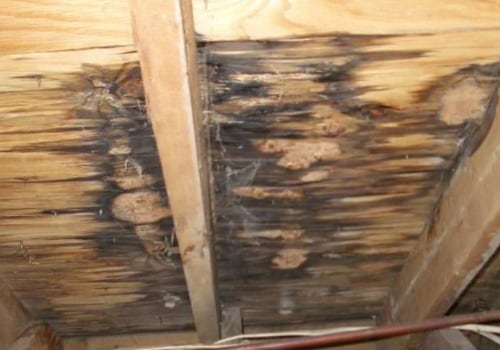
- Mould and Mildew Growth: The presence of mould or mildew is another critical indicator of a roof leak.
These fungi thrive in damp environments and can pose health risks to occupants. If you detect a musty smell or see visible mould growth, it’s vital to address the underlying moisture issue promptly.
- Damaged Roof Shingles: Inspecting your roof from the outside can also reveal signs of leaks. Look for cracked, curled, or missing shingles, as these can allow water to penetrate the roofing system. Regular maintenance and inspections can help catch these issues before they lead to leaks.
- Increased Energy Bills: Unexplained spikes in your energy bills may indicate that your roof is not performing efficiently due to leaks.
Water intrusion can affect insulation and lead to higher heating or cooling costs.
Methods for Roof Leak Detection
Detecting roof leaks is crucial for maintaining the integrity of a building and preventing costly damage. Various methods are employed to identify the source of leaks, ranging from traditional techniques to advanced technological solutions.Traditional Methods
- Visual Inspection: A thorough visual inspection is often the first step in roof leak detection. Inspectors look for obvious signs of water damage, such as stains on ceilings and walls, or visible wear and tear on roofing materials.
This method can be effective but may not always reveal hidden issues.
- Water Testing: This method involves simulating rain by applying water to specific areas of the roof. By observing where leaks occur during this test, professionals can pinpoint potential problem areas. However, this method can be time-consuming and may require multiple attempts.
Advanced Technologies
- Infrared Technology: Infrared thermography is a non-invasive technique that uses thermal imaging cameras to detect temperature variations on the roof surface. Moisture trapped within roofing materials will often cause a temperature difference, which can be identified by the camera.
This method is particularly useful for flat roofs where leaks may not be immediately visible.
- Electronic Leak Detection: This cutting-edge method employs electrical currents to locate leaks with high precision. The Electric Field Vector Mapping (EFVM) system, for instance, involves wetting the roof membrane to create an electrical field. By measuring the electrical resistance across the surface, technicians can identify even the smallest leaks. This technique is especially beneficial for flat roofs, where traditional methods may fall short.
- Low-Voltage Vector Mapping: Similar to electronic leak detection, this method uses specialized probes to detect leaks by measuring electrical resistance.
It provides a detailed map of potential leak locations, allowing for targeted repairs.
The Role of Professional Roof Surveyors
When it comes to maintaining the integrity of your building, the role of professional roof surveyors cannot be overstated. These experts are trained to conduct thorough inspections that go beyond mere visual assessments, ensuring that any potential issues are identified and addressed before they escalate into costly repairs.One of the primary benefits of hiring a professional for roof inspection services is their access to advanced technology and techniques. For instance, many surveyors utilise infrared thermography, which allows them to detect temperature variations on the roof surface.This method can reveal hidden moisture trapped within the roofing materials, which is often a precursor to leaks. By identifying these issues early, property owners can save significant amounts on future repair costs.Additionally, professional roof surveyors possess a wealth of knowledge regarding various roofing systems and materials. They understand how different designs can affect water drainage and moisture retention, which is crucial for accurate roof leak detection. Their expertise enables them to pinpoint the exact source of leaks, rather than merely treating symptoms.Moreover, engaging a professional surveyor provides peace of mind.
Knowing that a qualified expert is overseeing your roof's condition allows you to focus on other aspects of property management without the constant worry of undetected leaks or structural damage. This assurance is particularly valuable for commercial properties where the implications of a roof failure can be severe.In summary, while it may be tempting to conduct roof inspections independently or rely on untrained personnel, the advantages of hiring professional roof surveyors are clear. Their expertise not only enhances the accuracy of leak detection but also contributes to the longevity and durability of your roofing system. Investing in professional services is an investment in the future stability and safety of your property.
DIY Roof Leak Detection Techniques
Detecting roof leaks early can save homeowners significant time and money.While professional inspections are invaluable, there are several DIY roof leak detection techniques that you can employ to identify potential issues before they escalate.Here are some practical tips for conducting your own preliminary inspections:
- Visual Inspection: Start with a thorough visual examination of your roof. Look for any obvious signs of damage such as missing shingles, cracked tiles, or areas where the roofing material appears to be sagging. Pay special attention to the edges and seams of the roof, as these are common areas for leaks to develop.
- Check for Water Stains: Inside your home, inspect ceilings and walls for water stains or discolouration. These stains often indicate that water has penetrated through the roof.
If you notice any dark spots or rings, mark them for further investigation.
- Use a Garden Hose: A simple yet effective method is to use a garden hose to simulate rainfall. Start at the lowest point of the roof and work your way up, soaking one section at a time. Have someone inside the house monitor for leaks while you do this. This method can help pinpoint the exact location of a leak.
- Inspect Flashing and Vents: Check all flashing around chimneys, vents, and skylights.
These areas are prone to leaks due to improper sealing or wear over time. Ensure that the flashing is intact and securely fastened.
- Look for Debris: Accumulated debris such as leaves, branches, or moss can trap moisture against the roof surface, leading to leaks. Regularly clear your roof and gutters to prevent this buildup.
- Check Attic Insulation: If you have access to your attic, inspect the insulation for dampness or mould growth. This can be an indicator of a leak above.
Additionally, look for any light coming through the roof boards, which may signal holes or gaps.
Repairing Roof Leaks: Options and Considerations
When it comes to addressing roof leaks, understanding the various repair options available is crucial for homeowners and property managers alike. Each method has its own advantages and considerations, making it essential to choose the right approach based on the specific circumstances of the leak.1.Temporary Repairs
- Tarping: In cases of severe leaks, applying a tarp can provide immediate protection until a permanent solution is implemented. This method is particularly useful during heavy rain or storms.
- Sealants: For minor leaks, using a waterproof sealant can be an effective short-term fix.
These products are typically easy to apply and can be used on various roofing materials.
2.Permanent Repair Solutions
- Flashing Replacement: Damaged or improperly installed flashing can lead to significant leaks. Replacing or repairing flashing around chimneys, vents, and other roof penetrations is often necessary to ensure a watertight seal.
- Shingle Replacement: If the leak is due to missing or damaged shingles, replacing them is essential. This not only addresses the leak but also helps maintain the overall integrity of the roof.
- Roof Coatings: Applying a reflective roof coating can extend the life of your roof while providing an additional layer of protection against leaks.
3.Complete Roof Replacement
In some cases, especially with older roofs or extensive damage, a complete roof replacement may be the most viable option. While this is often more costly upfront, it can save money in the long run by preventing future leaks and associated repairs.
Cost Considerations
The cost of repairing roof leaks varies widely based on several factors:
- Extent of Damage: Minor repairs will naturally cost less than extensive damage requiring significant work.
- Type of Roofing Material: Different materials have varying costs associated with repair and replacement.
- Labour Costs: Hiring experienced professionals may incur higher labour costs but can ensure quality work and longevity of repairs.
Preventative Measures for Roof Maintenance
Maintaining the integrity of your roof is crucial for preventing leaks and ensuring the longevity of your home.By implementing a series of proactive measures, homeowners can significantly reduce the risk of roof leaks and the associated costs of repairs.
Regular Inspections
- Conducting regular inspections is one of the most effective ways to identify potential issues before they escalate. Aim to inspect your roof at least twice a year, ideally in spring and autumn, as well as after severe weather events.
- During these inspections, look for signs of wear and tear, such as cracked or missing shingles, damaged flashing, and debris accumulation in gutters and valleys.
- Pay close attention to areas where different materials meet, as these are often the most vulnerable points for leaks.
Cleaning and Maintenance
- Keeping your roof clean is essential for preventing moisture buildup. Remove leaves, branches, and other debris that can trap water and lead to leaks.
- Ensure that gutters and downspouts are clear and functioning properly. Clogged gutters can cause water to back up under shingles, leading to leaks.
- If you have a flat roof, consider installing a drainage system to facilitate water runoff and prevent pooling.
Professional Assessments
- While DIY inspections are valuable, enlisting a professional roofing contractor for a thorough assessment can provide peace of mind.
Experts can identify hidden issues that may not be visible to the untrained eye.
- Consider scheduling a professional inspection every few years or after significant weather events to ensure your roof remains in optimal condition.
Addressing Minor Repairs Promptly
- If you notice any minor issues during your inspections, such as loose shingles or small cracks, address them immediately. Ignoring these problems can lead to more extensive damage over time.
- Utilising high-quality sealants and roofing materials can help prolong the life of your roof and prevent leaks from developing.
Investing in Quality Materials
- When it comes time for repairs or replacements, invest in high-quality roofing materials that offer better durability and resistance to weather elements. This upfront investment can save you money in the long run by reducing maintenance needs.
- Consider options like metal roofing or architectural shingles that provide enhanced protection against leaks compared to traditional materials.
Frequently Asked Questions about Roof Leak Detection
When it comes to roof leak detection, many property owners have questions that arise from their experiences or concerns. Below are some of the most frequently asked questions regarding roof leaks, along with expert answers to help clarify these issues.What are the common signs of a roof leak?
Identifying a roof leak early can save you significant time and money.Common signs include:
- Water stains: Look for discolouration on ceilings or walls, which may appear as yellow or brown spots.
- Mould growth: The presence of mould or mildew can indicate moisture accumulation due to a leak.
- Peeling paint or wallpaper: This can be a sign that water is seeping through the roof and affecting interior surfaces.
- Damp spots: Areas that feel wet to the touch, especially after rain, are strong indicators of a leak.
How can I detect a roof leak myself?
If you suspect a leak, you can perform a preliminary inspection:- Examine your roof for visible damage, such as missing shingles or cracks in the flashing.
- Check your attic for signs of moisture or water entry points.
- Use a garden hose to simulate rain; start at the bottom of the roof and work your way up, checking for leaks as you go.
What should I do if I find a leak?
If you discover a leak, it’s crucial to act quickly:- Contain the damage: Use buckets to catch dripping water and prevent further damage to your interiors.
- Document the issue: Take photos of any visible damage for insurance purposes.
- Contact a roofing expert: Professional assessment is essential to determine the extent of the damage and necessary repairs.
How often should I have my roof inspected?
A regular inspection is recommended at least once a year, ideally in spring and autumn. Additionally, after severe weather events, such as storms or heavy snowfall, it’s wise to have your roof checked for potential damage.Conclusion: The Importance of Timely Roof Leak Detection and Repair
In conclusion, the significance of timely roof leak detection and repair cannot be overstated. As we have explored throughout this article, the implications of neglecting a roof leak can lead to extensive damage, not only to the roof itself but also to the entire structure of a building. Early identification of leaks is crucial in preventing minor issues from escalating into major problems that require costly repairs or even complete roof replacements.Regular inspections and maintenance are essential components of a proactive approach to roof care.By employing advanced technologies such as infrared thermography and electronic leak detection methods, property owners can pinpoint the exact location of leaks with remarkable accuracy. This not only saves time but also reduces the overall cost associated with repairs.Moreover, understanding the common signs of roof leaks—such as water stains, damp patches, and mould growth—empowers building occupants to act swiftly. The sooner a leak is detected, the easier it is to mitigate damage and preserve the integrity of the building.It is also important to consider the long-term benefits of investing in professional roofing services. While there may be an initial cost associated with hiring experts for roof leak detection, their expertise can save property owners significant amounts in future repair costs.
Additionally, they can provide valuable insights into maintaining the roof's condition and preventing future leaks.In summary, prioritising roof leak detection and repair is not merely a matter of convenience; it is a critical aspect of property management that safeguards investments and ensures safety. By taking proactive measures today, property owners can protect their buildings from the detrimental effects of water intrusion and maintain a safe, dry environment for all occupants.