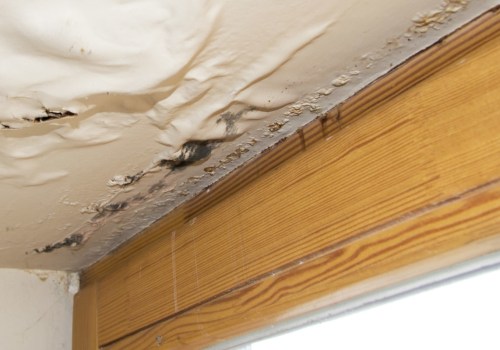
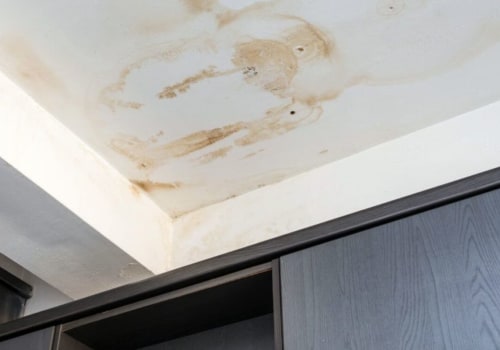
Water leaks are a common yet often overlooked issue that can lead to significant damage within a home. Understanding the causes of water leaks is essential for homeowners who wish to protect their property and maintain a safe living environment. Leaks can originate from various sources, including faulty plumbing, deteriorating roofs, or even natural wear and tear over time. For instance, old pipes may corrode or crack, while heavy rainfall can overwhelm drainage systems, leading to leaks in walls and ceilings.The consequences of water leaks can be severe and far-reaching.
Not only can they cause structural damage to your home, but they can also create an environment conducive to mould growth, which poses health risks to occupants. Additionally, persistent leaks can lead to increased water bills and may even result in costly repairs if left unaddressed. Homeowners may find themselves facing extensive renovations due to water damage, which could have been avoided with timely detection and intervention.Moreover, the presence of water leaks can compromise the integrity of electrical systems, posing safety hazards such as short circuits or fires. This highlights the importance of being vigilant about potential leak sources and understanding how to detect them early.
By recognising the signs of water leaks and knowing when to seek professional help, homeowners can mitigate risks and protect their investments.In summary, being aware of the causes and consequences of water leaks is crucial for any homeowner. Early detection not only saves money but also ensures a safe and healthy living environment. As we delve deeper into the topic of roof leak detection, it becomes clear that proactive measures are essential in safeguarding your home from the damaging effects of water intrusion.
The Importance of Early Leak Detection
Detecting water leaks at an early stage is crucial for maintaining the integrity of your home and safeguarding your finances. The consequences of ignoring even minor leaks can escalate quickly, leading to significant structural damage and costly repairs.Understanding the importance of early leak detection can help homeowners take proactive measures to protect their properties.
Financial Implications
Water damage can be a silent yet devastating issue. According to industry estimates, the average cost of repairing water damage can range from £1,000 to £5,000, depending on the severity and extent of the damage. This figure does not account for potential loss of personal belongings or the costs associated with temporary housing during repairs. Early detection of leaks can significantly reduce these expenses by allowing for prompt repairs before the situation worsens.
Structural Damage Prevention
Water leaks can compromise the structural integrity of your home.
Over time, persistent moisture can lead to issues such as:
- Mould Growth: Mould thrives in damp environments and can pose serious health risks, particularly for individuals with respiratory issues.
- Wood Rot: Wooden structures, including beams and flooring, are susceptible to rot when exposed to moisture, weakening their strength and stability.
- Foundation Issues: Water infiltration can erode soil around foundations, leading to cracks and shifts that may require extensive repairs.
Benefits of Early Detection
The advantages of early leak detection extend beyond financial savings. Homeowners benefit from:
- Peace of Mind: Knowing that your home is protected against potential water damage allows for greater peace of mind.
- Increased Property Value: A well-maintained home with no history of water damage is more attractive to potential buyers.
- Lower Insurance Premiums: Some insurance companies offer discounts for homes equipped with leak detection systems, recognising the reduced risk of claims.
Types of Devices for Detecting Water Leaks in Walls
Detecting water leaks in walls is crucial for maintaining the integrity of your home.Various devices are available, each with unique features and benefits. Understanding these options can help you choose the right solution for your needs.
Moisture Meters
Moisture meters are traditional tools used to measure the moisture content in materials, including walls. They work by using electrical resistance or capacitance to determine moisture levels. When you probe a wall with a moisture meter, it provides a reading that indicates whether the area is damp or dry.Moisture meters are traditional tools used to measure the moisture content in materials, including walls. They work by using electrical resistance or capacitance to determine moisture levels. When you probe a wall with a moisture meter, it provides a reading that indicates whether the area is damp or dry.- Advantages: Moisture meters are relatively inexpensive and easy to use.
They can pinpoint specific areas of concern, allowing for targeted investigation.
- Limitations: While effective for immediate readings, they do not provide continuous monitoring or alerts.
Smart Water Leak Detectors
In contrast to traditional methods, smart water leak detectors offer advanced features that enhance leak detection capabilities. These devices are typically equipped with sensors that can detect moisture and send alerts directly to your smartphone.- Real-time Alerts: Smart detectors notify you instantly when they detect moisture, allowing for quick action to prevent damage.
- Integration with Smart Home Systems: Many smart leak detectors can integrate with existing smart home systems, enabling automation and remote monitoring.
- Automatic Shut-off: Some models can automatically shut off the water supply when a leak is detected, providing an added layer of protection.
Infrared Cameras
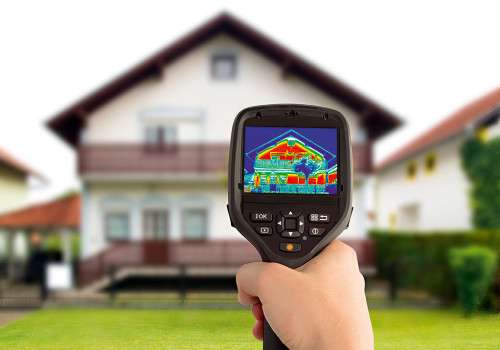
Infrared cameras are another sophisticated option for detecting water leaks. These devices use thermal imaging technology to identify temperature differences in walls, which can indicate moisture presence.- Benefits: Infrared cameras allow for non-invasive inspections and can cover large areas quickly.
- Considerations: They tend to be more expensive than other options and may require some expertise to interpret the results accurately.
How Moisture Meters Work: A Closer Look
Moisture meters are essential tools for identifying water leaks within walls and other structures. They function by measuring the moisture content in various materials, providing valuable insights into potential leak locations.Understanding how these devices work can significantly enhance your ability to detect and address water issues before they escalate.
Types of Moisture Meters
- Pin-Type Moisture Meters: These devices use two metal probes that are inserted into the material being tested. The meter measures the electrical resistance between the probes, which varies with moisture content. Higher moisture levels result in lower resistance, allowing for accurate readings.
- Pinless Moisture Meters: Unlike pin-type meters, pinless models use electromagnetic signals to assess moisture levels without penetrating the material. This makes them ideal for testing delicate surfaces or areas where you want to avoid damage.
- Hygrometers: While not strictly moisture meters, hygrometers measure humidity levels in the air, which can be useful for assessing overall moisture conditions in a space.
How Moisture Meters Work
The operation of a moisture meter is relatively straightforward.
When you place the device against a surface, it sends out signals (either electrical or electromagnetic) to gauge the moisture content. The results are displayed on a digital screen or through an analogue dial, indicating whether the material is dry, moderately moist, or wet.
Using Moisture Meters for Leak Detection
To effectively use a moisture meter for leak detection, follow these tips:
- Identify Potential Leak Areas: Start by focusing on areas prone to leaks, such as around windows, doors, and plumbing fixtures.
- Take Multiple Readings: Move the meter across different sections of the wall to identify variations in moisture levels. This can help pinpoint the exact location of a leak.
- Compare Readings: If you have access to a baseline reading from a known dry area, compare it with your current readings to assess any anomalies.
- Document Findings: Keep a record of your readings over time to track changes in moisture levels, which can indicate ongoing leaks or new issues.
Smart Water Leak Detectors: The Future of Leak Detection
In recent years, the emergence of smart water leak detectors has revolutionised the way homeowners manage and prevent water damage. These innovative devices offer a level of convenience and efficiency that traditional leak detection methods simply cannot match.By integrating advanced technology with user-friendly features, smart detectors provide real-time monitoring and alerts, ensuring that potential leaks are identified before they escalate into costly repairs.One of the most significant advantages of smart water leak detectors is their ability to send immediate notifications to your smartphone. This feature allows homeowners to stay informed about their property’s condition, even when they are away. For instance, if a leak is detected in a wall or under a sink, the device will instantly alert you via an app, enabling you to take swift action to mitigate damage.Moreover, many smart leak detectors can be seamlessly integrated with existing home automation systems. This compatibility means that they can work in conjunction with other smart devices, such as thermostats and security systems.
For example, if a leak is detected, the system could automatically adjust the temperature to prevent freezing pipes or even shut off the water supply to minimise damage.When considering the features of these devices, several key aspects stand out:
- Real-time Alerts: Instant notifications via smartphone apps ensure that you are always aware of potential issues.
- Integration Capabilities: Compatibility with smart home systems allows for automated responses to leaks.
- Remote Monitoring: Users can check the status of their home’s plumbing from anywhere, providing peace of mind.
- Temperature Sensors: Some models include temperature monitoring to detect conditions that may lead to pipe bursts.
- Audible Alarms: Many devices feature loud alarms that sound when a leak is detected, alerting anyone nearby.
Installation and Maintenance Tips for Leak Detection Devices
Installing and maintaining water leak detection devices is crucial for ensuring their effectiveness in safeguarding your home from potential water damage.Here are some practical tips to help you with both installation and ongoing maintenance.
Installation Tips
- Choose the Right Location: Position your leak detectors in areas prone to moisture, such as basements, near water heaters, under sinks, and around washing machines. Avoid placing them in areas with high humidity or direct water exposure.
- Follow Manufacturer Instructions: Each device may have specific installation requirements. Always refer to the user manual for guidance on proper setup and placement.
- Use Multiple Sensors: For comprehensive coverage, consider installing multiple sensors throughout your home. This is especially important in larger spaces or homes with multiple levels.
- Secure Power Supply: Ensure that battery-operated devices have fresh batteries installed, and for wired devices, confirm that they are connected to a reliable power source.
- Test Connectivity: If your leak detector connects to a smart home system, test its connectivity after installation to ensure it communicates effectively with your smartphone or hub.
Maintenance Tips
- Regular Testing: Periodically test your leak detectors to ensure they are functioning correctly.
Most devices have a test button that simulates a leak.
- Battery Replacement: For battery-operated models, replace batteries at least once a year or when the low-battery alert is triggered. Consider marking your calendar as a reminder.
- Keep Sensors Clean: Dust and debris can affect sensor performance. Wipe down the exterior of the device with a soft cloth regularly to keep it clean.
- Update Software: If your device has firmware or software updates available, install them promptly to benefit from improved features and security enhancements.
- Monitor Alerts: Pay attention to alerts from your leak detection system. Investigate any notifications immediately to prevent potential damage from leaks.
Common Myths About Water Leak Detection Debunked
When it comes to water leak detection, several myths and misconceptions can cloud the understanding of how these devices work and their effectiveness.Addressing these myths is crucial for homeowners who want to protect their properties from water damage.
Myth 1: Water Leak Detectors Are Only Necessary for Older Homes
Many people believe that only older homes require water leak detectors. This is far from the truth. Newer homes can also experience leaks due to construction errors, shifting foundations, or even natural wear and tear. Regardless of the age of your home, investing in a leak detection system can save you from costly repairs.
Myth 2: All Leak Detectors Are the Same
Another common misconception is that all leak detection devices function similarly.
In reality, there are various types of detectors, each with unique features. Some are designed to detect moisture levels, while others can monitor water flow and pressure. Understanding the differences can help you choose the right device for your needs.
Myth 3: Leak Detection Devices Are Too Expensive
While some high-end models can be pricey, there are many affordable options available that provide excellent protection. The cost of a leak detection system is often minimal compared to the potential damage caused by undetected leaks.
Investing in a reliable device can ultimately save you money in the long run.
Myth 4: You Can Rely Solely on Visual Inspections
Some homeowners believe that they can detect leaks through visual inspections alone. However, many leaks occur behind walls or under floors, making them invisible to the naked eye.
Water leak detectors
provide an additional layer of security by alerting you to issues before they escalate.Myth 5: Leak Detection Devices Are Complicated to Use
Many people shy away from installing leak detection systems due to the belief that they are complicated. In truth, most modern devices are user-friendly and come with straightforward installation instructions.
Many even connect seamlessly to your smartphone, allowing for easy monitoring.By debunking these common myths about water leak detection, homeowners can make informed decisions about protecting their properties from potential water damage. Understanding the truth about these devices not only enhances your home’s safety but also provides peace of mind.
FAQs About Water Leak Detection Devices
Water leak detection devices have become increasingly popular as homeowners seek to protect their properties from the damaging effects of water leaks. Below are some frequently asked questions that can help clarify how these devices work and what to consider when choosing one.What types of water leak detection devices are available?
There are several types of water leak detection devices, including:- Moisture Meters: These handheld devices measure the moisture content in walls and floors, helping to identify potential leak areas.
- Smart Water Leak Sensors: These sensors can be placed in areas prone to leaks, such as under sinks or near water heaters. They send alerts to your smartphone when moisture is detected.
- Whole Home Systems: These comprehensive systems monitor water flow throughout your home and can automatically shut off the water supply if a leak is detected.
How do I know if my leak detector is working properly?
To ensure your leak detector is functioning correctly, regularly test it by simulating a leak.This can be done by placing a small amount of water near the sensor. If the device alerts you, it is working as intended. Additionally, check the battery status and ensure that the device is connected to your home Wi-Fi network if applicable.
What should I do if my leak detector goes off?
If your leak detector alerts you to a potential leak, take immediate action:- Locate the Source: Investigate the area where the alert originated to find any visible signs of water.
- Shut Off Water Supply: If you confirm a leak, turn off the main water supply to prevent further damage.
- Contact a Professional: If you cannot locate the source or if the leak is significant, contact a plumber for assistance.
Can I use multiple sensors in my home?
Yes, using multiple sensors throughout your home is advisable for comprehensive coverage. Place them in high-risk areas such as bathrooms, kitchens, basements, and near appliances that use water.Many smart systems allow you to connect multiple sensors to a single app for easy monitoring.By understanding these common questions about water leak detection devices, homeowners can make informed decisions and take proactive steps to protect their properties from potential water damage.
Conclusion: Protecting Your Home from Water Damage
In conclusion, safeguarding your home from water damage is a critical aspect of home maintenance that should not be overlooked. The potential for water leaks to cause significant structural damage and financial loss is substantial, making it essential to implement effective water leak detection methods.Throughout this article, we have explored various devices and techniques available for detecting water leaks, particularly focusing on roof leak detection. From moisture meters to advanced smart home systems, the options are diverse and cater to different needs and budgets. Each method has its advantages, and understanding these can help homeowners make informed decisions.Utilising a moisture meter can provide immediate insights into potential leak areas, allowing for quick action before damage escalates.On the other hand, smart water leak detectors offer the convenience of real-time alerts and remote monitoring, ensuring that you are always aware of your home's condition, even when you are not present.Moreover, integrating these devices into a broader home automation system can enhance their effectiveness. For instance, connecting a leak detection system to your smart home network allows for automated responses, such as shutting off the water supply or alerting you through your smartphone. This level of integration not only protects your property but also provides peace of mind.It is also important to regularly inspect your home for signs of leaks and maintain your plumbing systems. Simple preventative measures, such as checking for damp spots on walls or ceilings and ensuring proper drainage around your property, can go a long way in preventing water damage.Ultimately, investing in reliable water leak detection solutions is a proactive step towards protecting your home.
By being vigilant and utilising the right tools, you can mitigate the risks associated with water leaks and ensure that your living environment remains safe and secure.